







HUD’s New Emotional Support Animal Guidance: What Potranco Ranch West Residents and POA Boards Need to Know
For residents and volunteer leaders in Potranco Ranch West, understanding the rules surrounding emotional support animals (ESAs) has long been a complex part of navigating community living. Now, a significant policy change from the U.S. Department of Housing and Urban Development (HUD) could reshape how future requests for accommodations involving emotional support animals are evaluated.
The change may affect homeowners, residents with disabilities, property owners associations (POAs), and community managers throughout Texas. While the guidance does not immediately change state law, it signals a notable shift in how federal housing officials intend to approach ESA-related housing discrimination complaints moving forward.
Why This Matters to Residents and Community Associations
For years, many housing providers, including POAs and homeowners associations, were required to evaluate requests for emotional support animals under broad federal guidance that treated certain ESAs as protected assistance animals rather than pets.
That distinction often meant that community pet restrictions—including breed limitations, weight limits, pet-count restrictions, or rules prohibiting pets in certain common areas—could be waived as a reasonable accommodation under the Fair Housing Act (FHA).
According to Ashley Koirtyohann, a Shareholder with RMWBH Law who focuses her practice on property owners associations, HUD's latest guidance signals a move toward a narrower interpretation of what qualifies as a protected assistance animal.
For communities like Potranco Ranch West, the change may influence how future accommodation requests are reviewed and evaluated, though legal experts caution that many questions remain unanswered.
HUD Moves Toward an ADA-Like Standard
The recent guidance stems from a memorandum issued by HUD on May 22, 2026.
The memo follows HUD's September 2025 decision to withdraw two longstanding Fair Housing and Equal Opportunity (FHEO) notices that had guided assistance animal accommodation requests since 2013 and 2020.
Under those earlier notices, HUD recognized two categories of assistance animals:
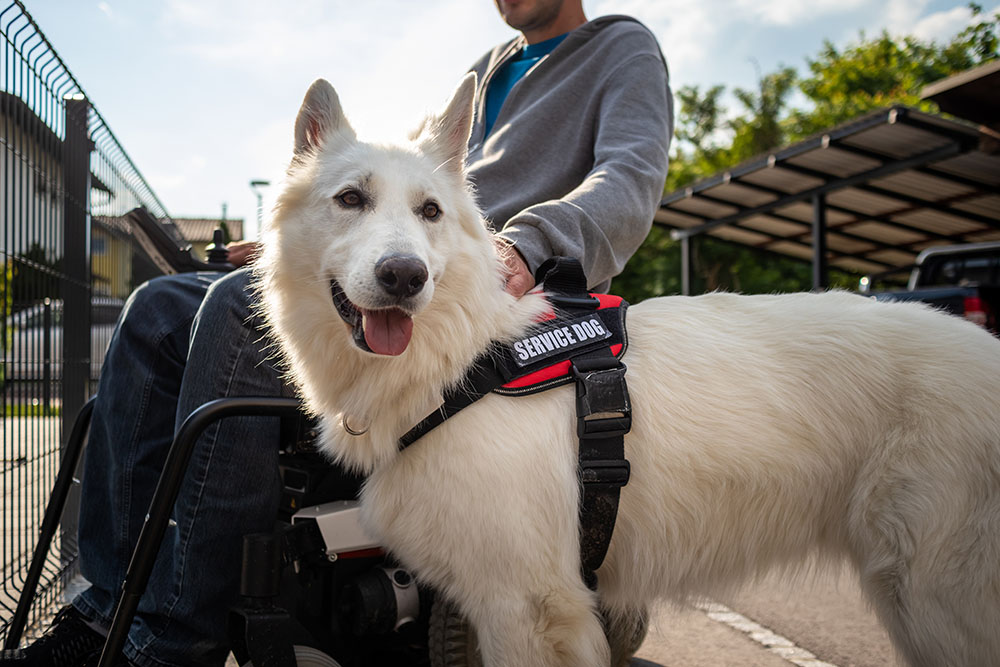
- Service animals individually trained to perform work or tasks for a person with a disability.
- Other animals that performed work, provided assistance, or offered therapeutic emotional support to individuals with disabilities.
Those notices instructed housing providers not to treat either category as pets under certain circumstances.
The new HUD memorandum takes a different approach.
According to Koirtyohann's analysis, HUD has stated that it will now generally find reasonable cause for a housing discrimination claim involving an animal-related accommodation request only when the animal has been individually trained to perform work or tasks directly related to a person's disability.
Importantly, HUD's memo specifically states that emotional support, comfort, companionship, or therapeutic benefits alone do not constitute work or tasks under this framework.

Are Emotional Support Animals Still Protected?
The answer depends on the individual circumstances.
Under HUD's current guidance, emotional support animals that have been individually trained to perform work or specific tasks related to a disability may still qualify for protection.
However, untrained emotional support animals are no longer considered protected assistance animals under HUD's enforcement approach.
For residents who currently have approved accommodations involving emotional support animals, the memo does not automatically revoke existing approvals. Instead, the guidance primarily addresses how HUD intends to evaluate future housing discrimination complaints involving accommodation requests.
Because each request involves unique facts and circumstances, legal review remains important.
What About Texas Law?
One of the most important points raised by Koirtyohann is that HUD's memorandum is guidance—not a formally adopted federal regulation.
As a result, its ultimate legal impact remains uncertain.
Many housing discrimination complaints in Texas are reviewed under the Texas Fair Housing Act, which closely mirrors federal fair housing protections but is administered separately from HUD. Investigations are often conducted by state or local agencies, including the Texas Workforce Commission.
As of June 2026, it remains unclear whether Texas agencies or courts will adopt HUD's newer interpretation regarding emotional support animals.
That means community associations, boards, and residents should avoid assuming the issue has been fully settled.
What Residents and POA Boards Should Do Next
For homeowners and residents, the most important takeaway is that accommodation requests involving disabilities continue to be protected under fair housing laws, but the standards surrounding emotional support animals may be evolving.
For POA boards and community managers, the guidance provides a framework for evaluating future requests, but it does not eliminate the need for careful, case-by-case review.
Koirtyohann notes that associations should continue consulting qualified legal counsel when addressing accommodation requests to ensure compliance with both federal and Texas fair housing requirements.
HUD has also indicated that it intends to pursue formal rulemaking on the issue in the future, which could provide additional clarity for housing providers and residents alike.

What Happens Next?
As communities across Texas monitor these developments, residents of Potranco Ranch West may see additional discussion around emotional support animal policies, fair housing compliance, and reasonable accommodation procedures.
While the new HUD guidance represents one of the most significant federal shifts on emotional support animals in recent years, legal experts emphasize that the landscape remains in transition.
For now, understanding the distinction between trained service animals and untrained emotional support animals—and recognizing that federal and state interpretations may not always align—will be important for both residents and community leaders.
Residents with questions about accommodation requests should consult qualified legal professionals or fair housing experts for guidance specific to their situation.
Stay tuned to My Neighborhood News for updates on community association regulations, homeowner rights, and important developments affecting Potranco Ranch West.

 Tiffany Krenek has been on the My Neighborhood News team since August 2021. She is passionate about curating and sharing content that enriches the lives of our readers in a personal, meaningful way. A loving mother and wife, Tiffany and her family live in the West Houston/Cypress region.
Local business spotlight
Grow your business
where trust already lives.
Let’s introduce your business to the neighbors nearby.
Have a local favorite?
Let’s make an introduction.
Leave your email and our team will reach out with ways to promote your business.
Give a local favorite a little love.
Know a business your neighbors should discover? Tell us who they are.
We couldn’t send that just yet. Please try again.