







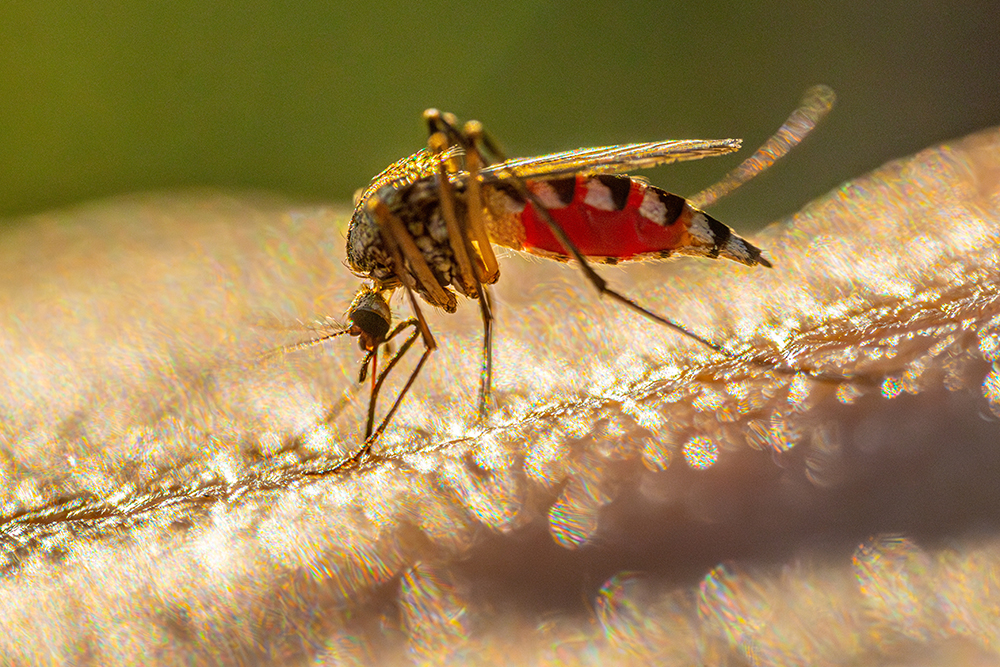
First West Nile-Positive Mosquito Traps of 2026 Confirmed in San Marcos
For Hays County residents spending summer evenings in backyards, parks and neighborhood gathering spaces, a new mosquito surveillance finding is an important reminder to take precautions before heading outdoors.
Two mosquito trap samples collected from separate locations in San Marcos ZIP code 78666 tested positive for West Nile virus, according to Hays County officials. The samples were collected July 7, 2026, and confirmed through testing by the Texas Department of State Health Services.
They are the first West Nile-positive mosquito traps reported in Hays County during the 2026 season. No human cases of West Nile virus had been reported in Hays County at the time of the county’s July 10 announcement.
The positive mosquito samples do not mean everyone in the area has been exposed, but they confirm that the virus is circulating locally. For residents across San Marcos and surrounding Hays County communities, health officials say prevention remains the most effective way to reduce the risk of infection.
What Hays County Residents Should Know About West Nile Virus
West Nile virus is most commonly transmitted to people through the bite of an infected mosquito. Mosquitoes typically become infected after feeding on birds carrying the virus.
Most people who become infected — about 80% — do not experience symptoms. About one in five may develop fever, headache, body aches, joint pain, vomiting, diarrhea or a rash. Symptoms typically begin within two to six days after a bite, although they can appear as late as 14 days afterward.
Adults age 50 and older and people with weakened immune systems may face a greater risk of severe illness. Serious cases can affect the central nervous system and may require hospitalization. There is currently no licensed vaccine or specific medication to prevent or treat West Nile virus disease in people; medical care generally focuses on managing symptoms.
Residents experiencing concerning symptoms after possible mosquito exposure should contact a medical provider.
Follow the Three Ds: Defend, Dress and Drain
Hays County is encouraging residents to reduce mosquito bites and breeding areas by following the “Three Ds” of mosquito prevention:
-
Defend: Use an EPA-registered insect repellent when spending time outdoors and follow all product instructions.
-
Dress: Wear long, loose-fitting and light-colored clothing when possible, particularly during times when mosquitoes are active.
-
Drain: Empty standing water around homes and workplaces, including water collected in flowerpots, buckets, toys, gutters, birdbaths, pet dishes and outdoor containers.

Standing water can become a mosquito breeding site in a matter of days, making routine checks around patios, yards, apartment balconies and business properties an important part of neighborhood mosquito control.
“Hays County is committed to protecting the health and well-being of our residents, and we’re staying proactive in monitoring mosquito activity across the county. With traps testing positive for West Nile Virus, it’s important for all of us to take simple steps to stay safe — use insect repellent, wear long sleeves when outdoors and empty any standing water around your home,” Hays County Judge and Director of Emergency Management Ruben Becerra said. “I want to thank our Health Department and Development Services teams for their continued efforts to keep our community informed and protected, and we appreciate our residents for doing their part as well. Together, we can help reduce the risk and keep Hays County safe and healthy.”
How Mosquito Surveillance Protects Hays County
The Hays County Development Services Mosquito Surveillance Program operates from May through November, when mosquito activity is generally highest.
County teams collect mosquitoes using standardized traps and send the samples to the Texas Department of State Health Services for species identification and testing for mosquito-borne viruses. The results help officials track local mosquito activity, identify possible breeding areas and determine where prevention or control measures may be needed.
West Nile virus has already been detected elsewhere in Texas during the 2026 season. State health officials confirmed Texas’ first human West Nile illness of the year in May, involving a Harris County resident diagnosed with the more serious neuroinvasive form of the disease.
The Texas Department of State Health Services maintains updated maps showing counties where West Nile virus has been detected in mosquitoes, humans, horses and other surveillance categories. State officials note that weekly mosquito and illness reports are preliminary and may change as additional testing and quality reviews are completed.
What Happens Next
Hays County will continue mosquito trapping and testing throughout the season. Additional findings could help county teams focus mosquito-control efforts in areas where infected mosquitoes or increased activity are identified.
Residents can also help by regularly checking their property for standing water, using repellent during outdoor activities and making mosquito prevention part of normal summer routines.
Questions about the Hays County mosquito surveillance program may be directed to Hays County Development Services at 512-393-2150. Residents can find additional health information through the Hays County Health Department, Texas Department of State Health Services and Centers for Disease Control and Prevention.
Stay tuned to My Neighborhood News for updates affecting communities throughout Hays County.

 Tiffany Krenek has been on the My Neighborhood News team since August 2021. She is passionate about curating and sharing content that enriches the lives of our readers in a personal, meaningful way. A loving mother and wife, Tiffany and her family live in the West Houston/Cypress region.

Local business spotlight
Grow your business
where trust already lives.
Let’s introduce your business to the neighbors nearby.
Have a local favorite?
Let’s make an introduction.
Leave your email and our team will reach out with ways to promote your business.
Give a local favorite a little love.
Know a business your neighbors should discover? Tell us who they are.
We couldn’t send that just yet. Please try again.