







Composting at Home in Anniston: How Residents Can Reduce Food Waste and Build Healthier Gardens
As more families in Anniston look for practical ways to reduce household waste and improve their yards and gardens, composting is gaining attention as one of the simplest and most effective solutions available right at home.
For many residents, the idea of composting can feel intimidating at first. Questions about odors, insects, what materials can be used, or how to keep a compost pile working often prevent people from getting started. But according to Texas A&M AgriLife Extension, composting does not need to be complicated to be effective.
Their “Easy Gardening: Composting” guide explains that everyday kitchen scraps, leaves, grass clippings, and other yard debris can be transformed into nutrient-rich compost that improves soil quality while reducing the amount of waste sent to landfills.
That local impact matters more than many people realize.
According to the USDA and FDA, food waste in the United States is estimated at between 30% and 40% of the nation’s food supply, totaling approximately 133 billion pounds and $161 billion worth of food annually. Food waste is also the single largest category of material sent to municipal landfills.
For communities like Anniston, composting offers residents a direct way to reduce that burden while creating something useful for lawns, flower beds, vegetable gardens, and landscaping.
Why Composting Matters for Local Families and Neighborhoods
Beyond reducing trash volume, composting helps improve soil health and water retention — something especially valuable during Texas heat and dry periods.
Texas A&M AgriLife Extension notes that compost:
- Improves soil structure
- Increases the soil’s ability to hold water and nutrients
- Improves soil aeration for healthier plant growth
For homeowners in Anniston, that can translate into healthier gardens, reduced need for chemical fertilizers, and potentially lower water usage during the growing season.
Composting can also help families become more mindful about food waste at home. Federal agencies including the USDA and EPA established a national goal to cut food waste in half by 2030. Officials say reducing food waste conserves water, energy, labor, and transportation resources tied to food production.
The EPA estimates that more than 63 million tons of food waste were generated in 2018, while only 4% was managed through composting.

What Can Residents Compost?
One of the biggest misconceptions about composting is that it requires specialized materials or expensive equipment.
Texas A&M AgriLife Extension says many common household and yard materials work well in compost piles, including:
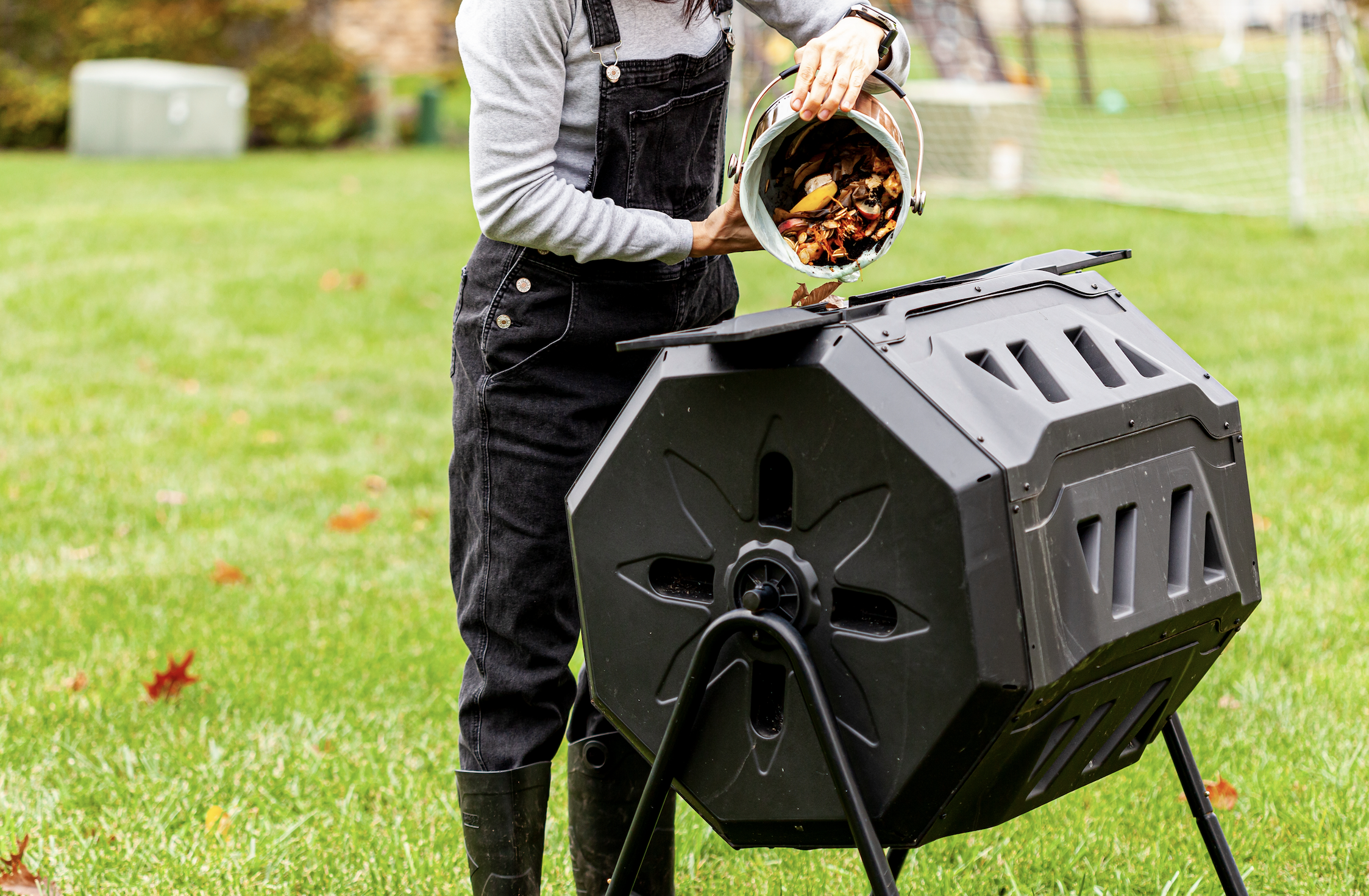
- Fruit and vegetable scraps
- Coffee grounds and filters
- Eggshells
- Grass clippings
- Dry leaves
- Shredded newspaper
- Hay and garden debris
However, some items should stay out of compost piles. Meat, dairy products, grease, fats, and pet waste can create odors, attract pests, and introduce harmful organisms.
The guide also explains that balancing “green” materials like fresh grass clippings and kitchen scraps with “brown” materials like dry leaves and straw helps compost break down efficiently.
Keeping Compost Simple and Manageable
For residents worried about space or maintenance, compost systems can be as simple or elaborate as needed.
Texas A&M AgriLife Extension says compost piles can be enclosed using wire fencing, bricks, cement blocks, or scrap lumber, though free-standing piles also work if space allows.
The organization recommends placing compost piles:
- In partially shaded areas
- Near gardens when possible
- In locations with good drainage
- In areas where the pile can be easily turned for airflow
Air circulation is one of the most important parts of successful composting. Without enough oxygen, piles can develop unpleasant odors similar to rotting eggs.
Moisture balance also matters. Compost should remain damp but not soggy, according to the guide.
For gardeners looking for a low-maintenance approach, AgriLife Extension also highlights “in-ground composting,” where organic materials are buried directly into future planting beds and allowed to decompose naturally over time.

Troubleshooting Common Compost Problems
One reason some residents give up on composting is frustration when piles stop breaking down or begin smelling unpleasant.
Texas A&M AgriLife Extension’s troubleshooting guide identifies a few common causes:
- Bad odors usually indicate too little air
- Dry piles need more water
- Compost that will not heat up may lack nitrogen-rich materials
- Small piles often decompose too slowly
Turning the pile regularly can help speed decomposition and improve airflow. The guide recommends turning piles weekly during summer and monthly during winter.
Under proper conditions, finished compost can be ready in about 90 to 120 days.
A Small Habit With Long-Term Community Benefits
As conversations continue nationwide about sustainability, landfill use, and reducing food waste, composting remains one of the few environmental practices residents can begin immediately with minimal cost.
For neighborhoods throughout Anniston, composting offers more than just a gardening tool. It creates an opportunity for households to reduce waste, improve outdoor spaces, and contribute to broader environmental goals from their own backyards.
Texas A&M AgriLife Extension’s Easy Gardening series was created specifically to provide practical, research-based advice for Texas gardeners, making composting more approachable for beginners and experienced gardeners alike.
Residents interested in learning more can explore additional Easy Gardening resources through Texas A&M AgriLife Extension.
Stay tuned to My Neighborhood News for more home, garden, sustainability, and community living updates affecting residents across Anniston.

 Tiffany Krenek has been on the My Neighborhood News team since August 2021. She is passionate about curating and sharing content that enriches the lives of our readers in a personal, meaningful way. A loving mother and wife, Tiffany and her family live in the West Houston/Cypress region.
Local business spotlight
Grow your business
where trust already lives.
Let’s introduce your business to the neighbors nearby.
Have a local favorite?
Let’s make an introduction.
Leave your email and our team will reach out with ways to promote your business.
Give a local favorite a little love.
Know a business your neighbors should discover? Tell us who they are.
We couldn’t send that just yet. Please try again.