








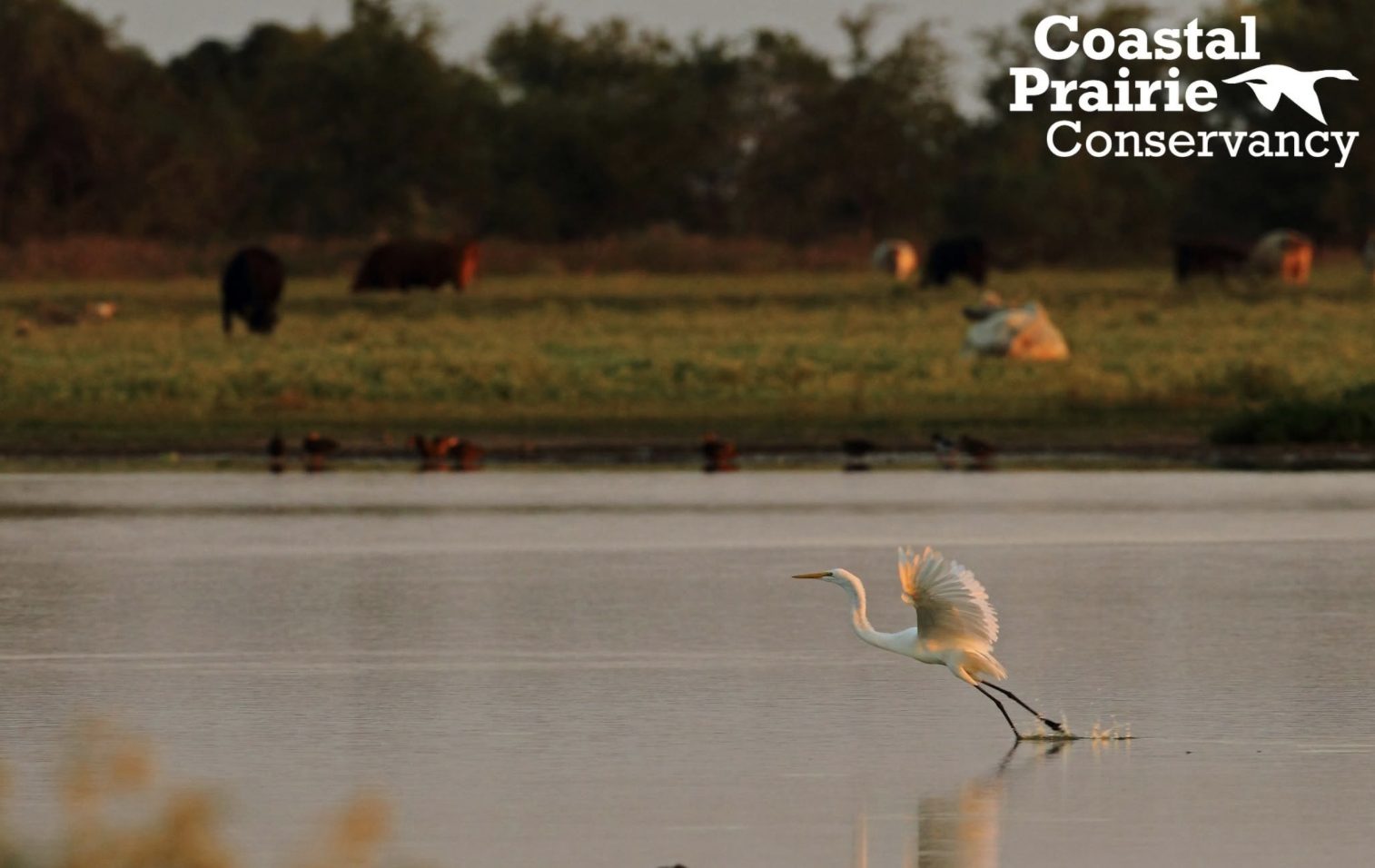
Coastal Prairie Conservancy Protects 60 More Acres, Expanding the Katy Prairie Preserve
Sixty more acres of northwest Harris County will remain open, undeveloped and connected to the landscape that has shaped the Katy area for generations.
The Coastal Prairie Conservancy announced July 29 that it has permanently conserved the property as part of the Katy Prairie Preserve, protecting native grasslands, seasonal wetlands, ponds and working agricultural land in the Upper Cypress Creek watershed.
For residents across Katy, Cypress and the greater Houston area, the project carries benefits beyond the property line. Undeveloped prairie and wetlands can hold and slow stormwater, support water quality and preserve habitat in a region where neighborhoods, roads and commercial development continue to spread west and northwest.
New Conservation Project Protects Land in the Cypress Creek Watershed
The newly protected property was historically used for rice production before transitioning to cattle grazing. Today, it includes native prairie as well as seasonal ponds and wetlands that provide food, water and shelter for wildlife.
The land supports migratory birds, monarch butterflies and Northern Bobwhite Quail. Species of conservation concern documented on or associated with the property include the state-threatened White-tailed Hawk, the federally protected Bald Eagle and the western chicken turtle, which is identified as a Texas Species of Greatest Conservation Need.
The western chicken turtle has also been documented through ongoing research by Texas A&M University.
Keeping this land intact can help maintain the hydrologic health of the Cypress Creek watershed. Instead of immediately running across pavement and other hard surfaces, rainfall can collect in wetlands, soak into prairie soil and move downstream more gradually.
That natural storage does not eliminate flood risk, but it can complement engineered drainage and flood-control projects by giving stormwater more room and time to spread out.
Conservation Easement Allows Agriculture to Continue
The 60 acres were protected through a voluntary conservation easement, also known as a conservation agreement.
A conservation easement is a legal agreement between a landowner and a qualified land trust that permanently limits uses of a property that would conflict with its conservation purposes. The agreement remains attached to the land even when ownership changes.
In this case, the property can continue to support agriculture, cattle grazing, active wildlife management and other compatible uses. Development that would damage the land’s identified conservation values will be restricted.
The arrangement offers a way to protect open land without requiring a family or property owner to give up ownership or end agricultural operations. Coastal Prairie Conservancy representatives inspect properties covered by these agreements at least annually to ensure their terms continue to be followed.
“Conservation happens one project at a time,” said Mary Anne Piacentini, president and CEO of the Coastal Prairie Conservancy. “Each property we protect adds to the resilience of the Katy Prairie Preserve. With nearly 20,000 acres already permanently conserved, this project helps us with our goal of protecting at least 30,000 acres.”

Coastal Prairie Conservancy Has Protected Land Since 1992
Formerly known as the Katy Prairie Conservancy, the Coastal Prairie Conservancy was founded in 1992 as development increasingly replaced farms, wetlands and native prairie across the Houston region.
The Houston-based nonprofit land trust works to preserve coastal prairies, wetlands, farms and ranches for the long-term benefit of people and wildlife. Its work includes acquiring land, partnering with private landowners on conservation easements, restoring wildlife habitat and connecting the public with nature through trails, guided programs, volunteer opportunities and educational activities.
The organization has permanently conserved more than 36,000 acres across Southeast Texas, including nearly 20,000 acres within the Katy Prairie Preserve west of Houston. Its long-term work on the historic Katy Prairie spans portions of Harris, Fort Bend and Waller counties.
Coastal prairie once stretched across roughly 20 million acres from south-central Texas into southwestern Louisiana. According to the Conservancy, about 1% of that original ecosystem remains, making it one of North America’s most endangered landscapes.
That loss gives each protected tract added importance. A 60-acre project may appear modest against the scale of the Houston metropolitan area, but adjoining and nearby properties can gradually form larger connected landscapes where wildlife can move, agricultural traditions can continue and natural drainage systems can function.
Prairie Conservation Brings Benefits Close to Home
Native prairie plants develop deep root systems that help soil absorb and retain water. Wetlands collect stormwater, filter runoff and create habitat for birds, amphibians and other species.
The Coastal Prairie Conservancy has restored approximately 4,000 acres of wetlands and is also restoring native grasslands on protected properties. Its land-management work includes sustainable grazing, native plant restoration and stream and wetland improvement.
Working farms and ranches are part of that conservation strategy rather than separate from it. Carefully managed grazing can help control invasive growth and reproduce some of the ecological disturbance once created by large native grazing animals.
For nearby communities, conserving these properties can also preserve a sense of place. The Katy Prairie is not simply vacant land awaiting construction. It is part of the area’s agricultural history, an important stop for migrating birds and a natural system connected to creeks and neighborhoods downstream.
Multiple Partners Helped Fund the 60-Acre Project
The conservation project received financial support from several public and private sources:
The USDA Natural Resources Conservation Service Agricultural Land Easements Program, the Texas Parks and Wildlife Department’s Texas Farm and Ranch Lands Conservation Program, the Galveston Bay Estuary Program Conservation Assistance Program, and the Bass Pro Shops and Cabela’s Outdoor Fund.
Those partnerships brought together agricultural conservation, wildlife protection, watershed health and private philanthropy to permanently safeguard the land.

How Residents Can Get Involved With the Coastal Prairie Conservancy
Residents who want to help protect and restore the Katy Prairie can choose from a range of volunteer opportunities through the Coastal Prairie Conservancy, whether they have a few hours to give or are looking for a regular role.
Monthly Stewardship Saturdays give volunteers a chance to work directly on the prairie by removing invasive plants, planting native species and helping restore healthy wildlife habitat. Weekday Preserve Stewards assist with habitat management, trail care and prairie maintenance, while volunteers at the Native Seed Nursery help propagate and care for plants that will be used in future restoration projects.
Other opportunities allow residents to support conservation closer to home. Through the Great Grow Out program, participants receive a seed-starting kit, care for native seedlings at home and later return the plants for use in restoration work. The Prairies in the City program brings smaller “pocket prairies” to schools, libraries and parks, while seed-collecting volunteers gather native seed for restoration projects across the region.
CPC also welcomes corporate teams, clubs and other organizations for private volunteer days tailored to each group. Residents who enjoy public outreach can serve as docents or guides, helping lead tours, represent the Conservancy at events and introduce others to the history and ecology of the coastal prairie.
One of the organization’s largest annual volunteer events, the 2026 Putting Down Roots Festival, is scheduled for Saturday, Nov. 14, from 9 a.m. to 1 p.m. The planting event brings volunteers together for a hands-on day of prairie restoration.
The Conservancy also hosts volunteer orientations at the Indiangrass Preserve, typically in February and September. These sessions introduce new and returning volunteers to CPC’s work, the history of the Katy Prairie, coastal prairie ecology and current projects.
Upcoming volunteer dates, workshops, festivals and registration links are listed on the Coastal Prairie Conservancy’s online event calendar. Residents can also join the organization’s email lists to receive updates about volunteer opportunities, advocacy alerts, educational programs and conservation news.
Those who are unsure where to begin can contact CPC at izzy@coastalprairieconservancy.org, info@coastalprairieconservancy.org or 713-523-6135 for guidance on finding the right opportunity.
What Happens Next for the Katy Prairie Preserve
The Coastal Prairie Conservancy will continue overseeing the conservation easement and working with the landowner to ensure that future use remains compatible with the agreement.
The organization is also pursuing its broader goal of protecting at least 30,000 acres within the Katy Prairie Preserve. Residents can experience portions of the protected landscape through public preserves, guided outings, birding programs, volunteer restoration days and educational events offered by the Conservancy.
As northwest Harris County continues to grow, the newly conserved acreage represents a deliberate decision to keep part of the region’s natural and agricultural heritage in place—not only for the wildlife that depends on it, but also for the communities connected by the Cypress Creek watershed.
Stay tuned to My Neighborhood News for additional updates on conservation, development, flooding and environmental projects affecting the Katy Prairie and northwest Harris County.

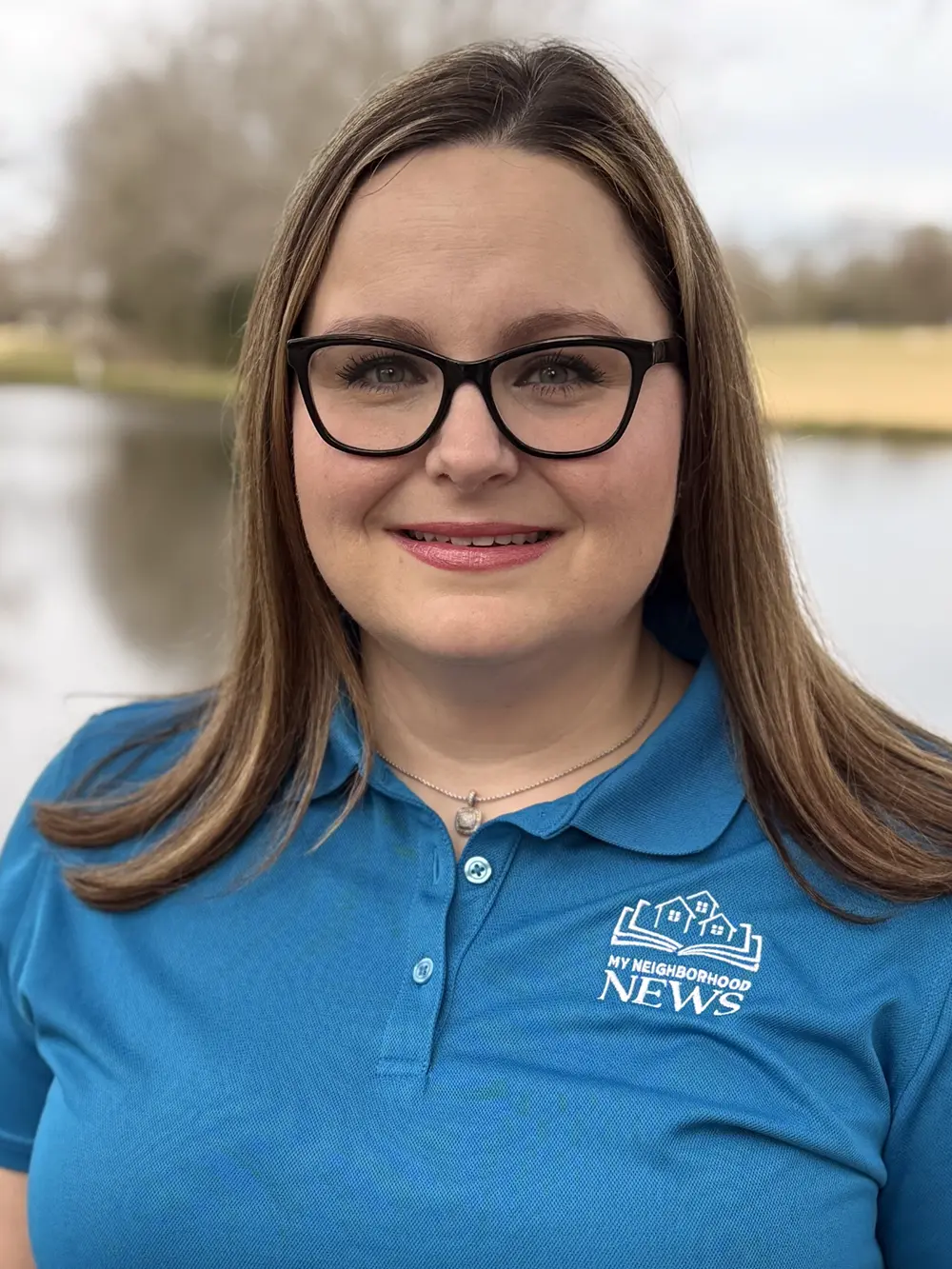 Tiffany Krenek has been on the My Neighborhood News team since August 2021. She is passionate about curating and sharing content that enriches the lives of our readers in a personal, meaningful way. A loving mother and wife, Tiffany and her family live in the West Houston/Cypress region.
Local business spotlight
Grow your business
where trust already lives.
Let’s introduce your business to the neighbors nearby.
Have a local favorite?
Let’s make an introduction.
Leave your email and our team will reach out with ways to promote your business.
Give a local favorite a little love.
Know a business your neighbors should discover? Tell us who they are.
We couldn’t send that just yet. Please try again.