







Ascension Seton’s First Mobile Stroke Unit Could Bring Critical Brain Care Directly to Central Texas Patients
For a Central Texas family facing a stroke, the distance between a patient and the right medical care can shape what the rest of that person’s life looks like.
Ascension Seton is preparing to narrow that distance by launching the region’s first mobile stroke unit in 2027. The specialized emergency vehicle will bring hospital-level stroke diagnostics, neurologist support and potentially time-sensitive treatment directly to patients across the growing Central Texas community.
The initiative is supported by a $1.25 million grant from the Texas Health and Human Services Commission, which will help Ascension Seton purchase and operate the mobile unit. The vehicle is currently in production, according to the health system.
An Emergency Room on Wheels for Stroke Patients
Unlike a traditional ambulance, the Ascension Seton mobile stroke unit will be designed as a small emergency room on wheels.
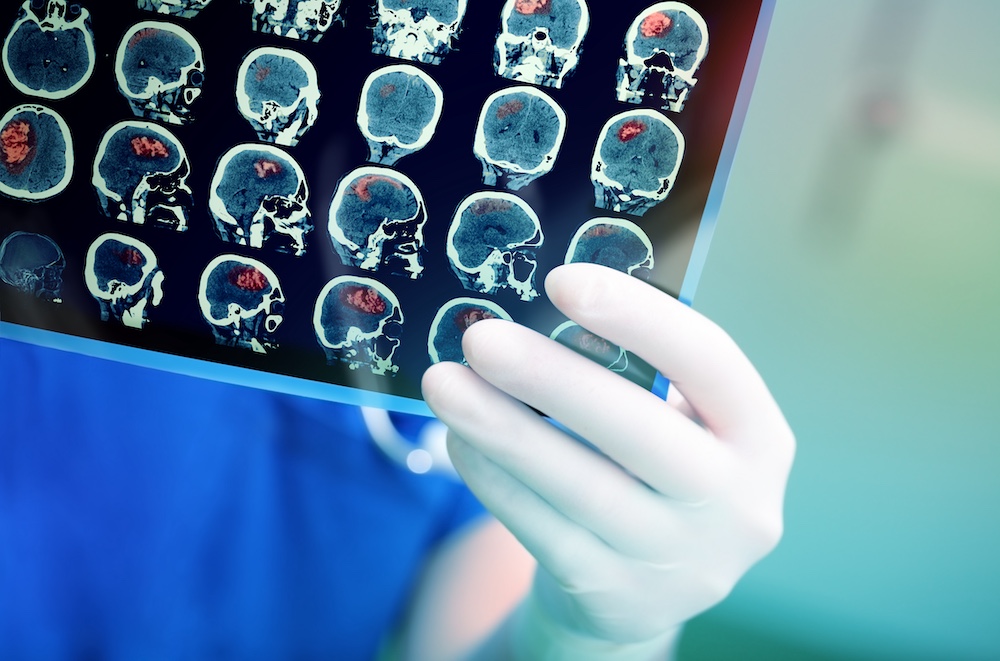
The vehicle will carry a portable CT scanner and a point-of-care laboratory, giving medical teams the ability to examine the brain, perform certain tests and communicate with stroke specialists before the patient arrives at a hospital.
That distinction matters because physicians must first determine whether a stroke was caused by a blocked blood vessel or by bleeding in the brain. Those conditions can require very different treatments, and brain imaging plays a central role in making that decision.
“At Ascension Seton, we know that every second matters during a stroke,” said Meredith Wells, vice president of Neurosciences & Spine Services Lines for Ascension Texas. “Launching Central Texas' first mobile stroke unit is about shortening the distance between a patient in crisis and expert stroke neurologist care. We are grateful for HHSC's support, which allows us to bring world-class stroke care exactly where and when it is needed most.”
By beginning that evaluation in a patient’s neighborhood rather than waiting until the ambulance reaches an emergency department, the unit could help specialists make treatment decisions sooner.
Why Faster Stroke Care Matters
A stroke occurs when blood flow to part of the brain is interrupted by a clot or when a blood vessel ruptures and bleeds into the brain. Without oxygen-rich blood, brain cells can become damaged or die, potentially affecting a person’s speech, movement, memory and ability to live independently.
The Centers for Disease Control and Prevention identifies stroke as a leading cause of death and serious long-term disability in the United States. Among stroke survivors age 65 and older, more than half experience reduced mobility, according to the agency.
The American Stroke Association estimates that an average of approximately 1.9 million brain cells can die during each minute that a stroke remains untreated. Early treatment is associated with better survival and a lower risk of lasting disability.
For patients and their families, those minutes can mean the difference between returning home independently and facing a lengthy period of rehabilitation, caregiving and major changes to everyday life.
The mobile stroke unit is intended to move some of the hospital’s most important early capabilities closer to the moment the emergency begins.

Expanding Advanced Stroke Care Across Central Texas
The new vehicle will become part of Ascension Seton’s broader network of neurological and emergency services in Austin, Round Rock, Kyle and surrounding Central Texas communities.
Ascension Seton Medical Center Austin and Dell Seton Medical Center at The University of Texas are designated Comprehensive Stroke Centers. Ascension Seton Williamson in Round Rock is a Primary Plus Stroke Center, while Ascension Seton Hays in Kyle is a Primary Stroke Center.
Those designations reflect a hospital’s ability to provide different levels of stroke evaluation, emergency intervention and ongoing care. Ascension Seton also offers neurological surgery, rehabilitation, outpatient therapy, transitional care and support resources for stroke survivors and their families.
Dell Seton Medical Center is additionally opening Central Texas’ first dedicated neurocritical care unit. The 15-bed unit will be led by board-certified neurocritical care physicians treating patients with serious and complex neurological conditions.
Together, the hospital-based services and mobile unit are meant to create a more connected path from the first 911 call through emergency treatment, rehabilitation and recovery.
That system is becoming increasingly important as Central Texas continues to add residents, families and older adults across Travis, Williamson, Hays and neighboring counties. Ascension Seton said the mobile stroke program is being developed in response to the needs of that growing population and the demand for more advanced care close to home.
Residents Should Know the B.E. F.A.S.T. Stroke Signs
Even after the mobile stroke unit enters service, recognizing symptoms and calling 911 immediately will remain the most important first steps residents can take.
Stroke symptoms often appear suddenly. The B.E. F.A.S.T. method can help families remember the warning signs:
B — Balance: Sudden dizziness, loss of coordination or difficulty walking
E — Eyes: Sudden blurred, lost or unclear vision
F — Face: Drooping on one side or an uneven smile
A — Arms: Weakness or numbness, especially on one side
S — Speech: Slurred speech, confusion or difficulty speaking
T — Time: Call 911 immediately
Residents should not drive themselves or a loved one to the hospital when stroke symptoms appear. Emergency medical personnel can begin evaluating the patient, alert the appropriate hospital and document when the symptoms started.
The time symptoms began—or the last time the person was known to be well—can help physicians determine which treatments may be safely used. Some stroke treatments are effective only within specific time windows.
A transient ischemic attack, commonly called a TIA or mini-stroke, should also be treated as an emergency even when the symptoms disappear. A TIA can be a warning that a larger stroke may follow.
Understanding Personal Stroke Risk
Certain health conditions and personal factors can increase the likelihood of a stroke. These include high blood pressure, diabetes, high cholesterol, heart disease, atrial fibrillation, smoking, sickle cell anemia and a previous stroke or heart attack.
Age and family history can also affect risk.
Residents with one or more risk factors are encouraged to speak with their primary care physicians about blood pressure control, medications, lifestyle changes and other steps that may reduce the likelihood of a stroke.
Because strokes can happen without warning, however, knowing the symptoms remains important for people of every age.
What Happens Next
Ascension Seton expects to deploy the mobile stroke unit sometime in 2027 after production, preparation and operational planning are complete. Additional details about its service area, staffing and coordination with local emergency medical services are expected closer to the launch.
For Central Texas residents, the initiative represents more than the arrival of another emergency vehicle. It reflects an effort to bring advanced care into the community during one of the most frightening and time-sensitive medical crises a family can experience.
When a stroke occurs, families may have only seconds to recognize that something is wrong. Ascension Seton’s planned mobile stroke unit is intended to ensure that specialized care begins moving toward them just as quickly.
Residents should stay tuned to My Neighborhood News for updates on the mobile stroke unit’s 2027 launch, planned coverage area and other developments affecting health care access across Central Texas.

 Tiffany Krenek has been on the My Neighborhood News team since August 2021. She is passionate about curating and sharing content that enriches the lives of our readers in a personal, meaningful way. A loving mother and wife, Tiffany and her family live in the West Houston/Cypress region.
Local business spotlight
Grow your business
where trust already lives.
Let’s introduce your business to the neighbors nearby.
Have a local favorite?
Let’s make an introduction.
Leave your email and our team will reach out with ways to promote your business.
Give a local favorite a little love.
Know a business your neighbors should discover? Tell us who they are.
We couldn’t send that just yet. Please try again.