








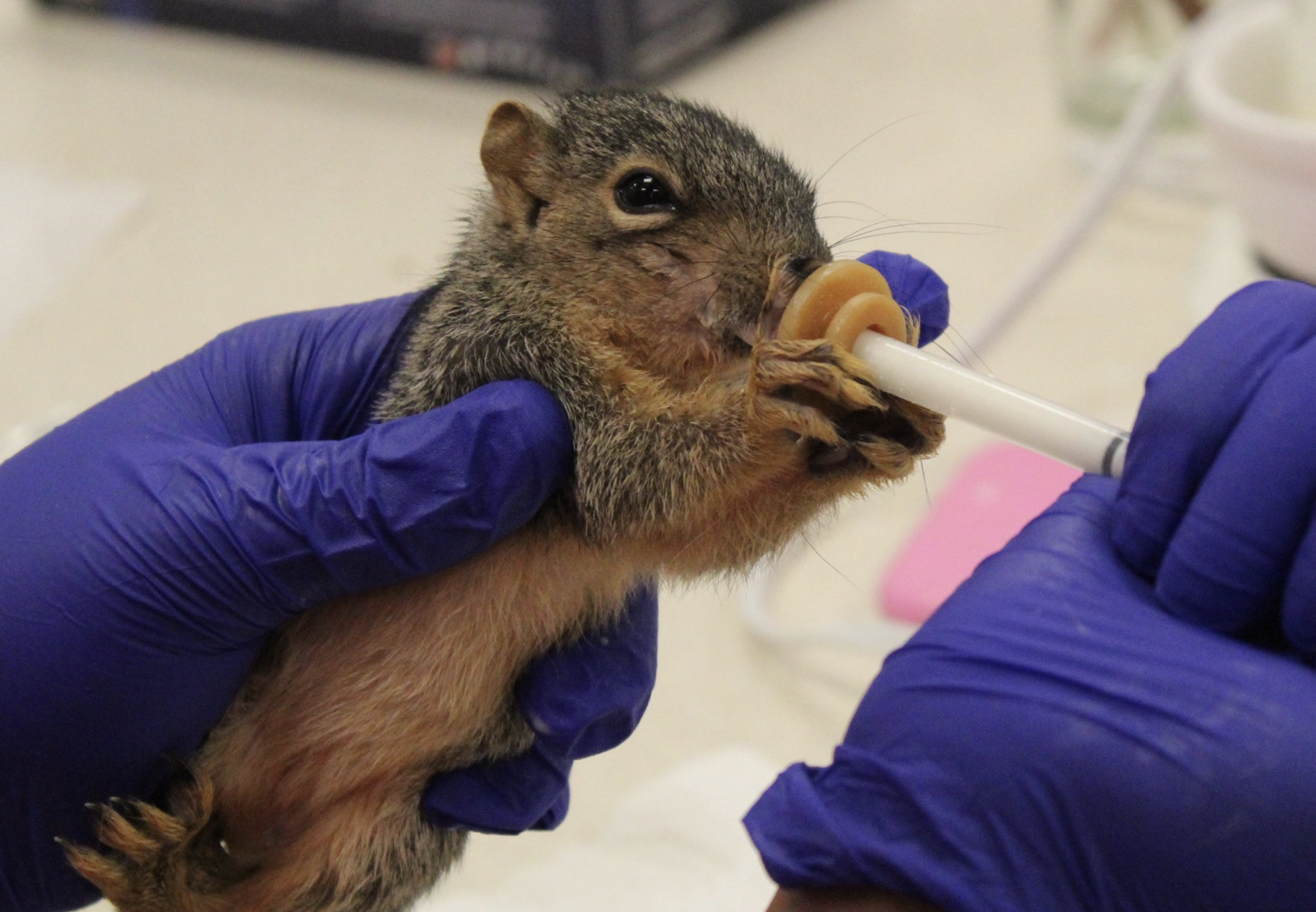
What West Memorial Residents Should Do If They Find Injured or Orphaned Wildlife Nearby
As neighborhoods across Greater Houston continue to grow alongside natural green spaces, it’s becoming increasingly common for residents in West Memorial to encounter wildlife in their yards, parks, trails, drainage areas and neighborhood streets.
From baby birds found beneath trees after a storm to orphaned squirrels, injured opossums or fawns hiding quietly near walking trails, many well-meaning residents immediately want to help — but wildlife experts say the first step is knowing when intervention is actually necessary.
The Houston SPCA’s Wildlife Center, located at 7007 Old Katy Road in Houston, serves as one of the nation’s most comprehensive wildlife rehabilitation centers, caring for more than 17,000 native wild animals every year. The center is Houston’s only trauma and wildlife rehabilitation facility that accepts all injured, ill or orphaned native Texas wildlife species and turns away no animal in need.
For residents in West Memorial, especially families with children who spend time outdoors during the summer months, understanding how to safely respond to wildlife emergencies can help protect both animals and people.
Why Residents Are Seeing More Wildlife in Neighborhoods
As development continues throughout the Houston area, wildlife frequently adapts to living near homes, retention ponds, parks and wooded corridors woven into residential communities.
That means residents may occasionally come across:
- Baby birds on the ground
- Young squirrels separated from nests
- Injured animals after severe weather
- Rabbits hidden in landscaping
- Deer resting alone in grassy areas
- Turtles crossing neighborhood roads
Wildlife experts caution that not every animal found alone is actually abandoned.
In many cases, parent animals are still nearby and caring for their young.
What To Do First If You Find Wildlife
The Houston SPCA’s Wildlife Center recommends four important first steps:
- Observe: Look carefully for injuries, nearby parents, siblings, ants or fly eggs.
- Replace: If the baby animal is not injured and parents are nearby, attempt to reunite it safely with its nest or resting area.
- Collect: If the animal is injured, place it in a box lined with soft cloths or towels and keep it warm and quiet.
- Contact: Call the Houston SPCA’s Wildlife Center immediately at 713-861-WILD (9453) for guidance.
Wildlife rehabilitators strongly emphasize one critical rule: do not give wildlife food or water unless specifically instructed by professionals.
Improper feeding can seriously harm or even kill injured wildlife.
What To Do If You Find Baby Birds in West Memorial
Baby birds are among the most commonly encountered animals in residential neighborhoods.
Nestling Birds
Nestlings are very young birds with few feathers that may fall from nests during storms or windy conditions.
If the bird appears uninjured, residents can carefully place it back into its nest. If the nest cannot be reached, the Houston SPCA recommends placing the bird in a small hanging basket near where it was found and watching to see if the parents return.
Contrary to popular myths, human scent does not cause parent birds to reject their babies.
If no parent returns within about two hours, the bird should be taken to the Wildlife Center.
Fledgling Birds
Fledglings are older birds that are fully feathered but still learning to fly. These birds are often found hopping through yards or hiding beneath bushes.
In many cases, fledglings should simply be left alone while pets are kept away from the area.
If the mother bird does not return within several hours or the bird appears injured, residents should contact the Wildlife Center.
Special exceptions include baby herons and certain owls, which require different handling instructions.
What To Do With Baby Squirrels, Rabbits and Opossums
Squirrels
If a baby squirrel is not injured, residents can place it in a box with a soft cloth at the base of the tree where it was found so the mother can retrieve it.
If the mother does not return within two to three hours, the squirrel should be brought in for care.
Rabbits
Mother rabbits often leave their nests unattended for most of the day while staying nearby.
Unless baby rabbits are injured, covered in ants or flies, or disturbed by predators, experts recommend leaving them alone.
Opossums
Unlike many mammals, mother opossums generally do not return for separated babies.
Residents should bring in baby opossums smaller than about 8 inches long, excluding the tail.
If a deceased mother opossum is found with babies still attached, residents are advised not to remove them themselves and instead bring the animal to the Wildlife Center for assistance.
What Residents Should Know About Fawns
Seeing a baby deer alone can be alarming, but wildlife rehabilitators say this is often normal behavior.
Mother deer commonly leave fawns hidden and unattended for long periods while feeding nearby.
Residents in West Memorial should avoid disturbing a fawn unless:
- It appears injured
- It is covered in ants or flies
- It is wandering frantically and crying continuously
- It is in immediate danger
If a fawn is in danger, it can be moved a short distance to safety before contacting the Houston SPCA for additional instructions.
Injured Adult Wildlife Requires Extra Caution
If residents encounter injured adult wildlife, safety becomes especially important.
The Houston SPCA advises residents to carefully cover injured birds or mammals with a towel or blanket before placing them into a secure box for transport.
However, certain animals classified as high-risk rabies vector species — including raccoons, bats, skunks, foxes and coyotes — should never be touched or contained by the public.
Residents should instead call the Wildlife Center at 713-861-9453 before attempting any action.
The Houston SPCA also warns residents never to attempt removing wildlife from glue traps themselves. Instead, bring the entire trap directly to the center for safe removal.
Turtles Crossing Roads in West Memorial
During nesting season, residents may notice turtles crossing roads or trails throughout the area.
If the turtle is healthy and uninjured, experts recommend helping it safely cross in the direction it was already traveling.
Baby turtles generally do not require rescue unless they are visibly injured or sick.

Wildlife Emergencies During Severe Weather
For Gulf Coast communities like West Memorial, wildlife emergencies often increase during hurricanes, floods, droughts and severe storms.
The Houston SPCA’s Wildlife Center maintains a specialized disaster response team equipped to handle large-scale wildlife emergencies across the region.
Its emergency response capabilities include:
- Wildlife rescue and protection
- Emergency rehabilitation
- Mobile transport and triage
- Wildlife facility setup
- Disaster response coordination
The organization’s 38-foot rescue vehicle includes cages, surgery stations and medical equipment designed specifically for wildlife emergencies.
How Residents Can Support Wildlife Rescue Efforts
Beyond emergency rescue and rehabilitation, the Houston SPCA’s Wildlife Center also offers volunteer opportunities for residents interested in supporting wildlife care, education programs and community outreach.
The center also provides educational presentations that help children, families and civic groups better understand environmental stewardship and wildlife conservation across the Houston region.
Residents interested in volunteering can learn more at houstonspca.org/houston-spca-wildlife-center/volunteer-wildlife-rescue.
Important Wildlife Contact Information for West Memorial Residents
- Houston SPCA Wildlife Center: 7007 Old Katy Rd., Houston, TX 77024
- Open daily: 9 a.m. – 6 p.m.
- Wildlife Hotline: 713-861-WILD (9453)
- Injured Animal Rescue Ambulance: 713-880-HELP (4357)
- Wildlife Removal Assistance: 911 Wildlife — 713-287-1911
Why This Matters for Growing Communities Like West Memorial
In master-planned communities and suburban neighborhoods throughout Greater Houston, residents often take pride in living near nature preserves, ponds, trails and green spaces that support local wildlife.
Knowing how to respond appropriately when animals are injured or displaced helps preserve that balance while ensuring wildlife receives proper professional care.
For many families in West Memorial, teaching children how to safely respect and protect native wildlife can also become an important lesson in community stewardship and environmental responsibility.
As warmer weather and summer storms continue across the Houston area, wildlife experts encourage residents to stay alert, act carefully and contact trained professionals whenever help is needed.
Stay tuned to My Neighborhood News for more community resources, neighborhood safety updates and local information impacting residents throughout West Memorial.

 Tiffany Krenek has been on the My Neighborhood News team since August 2021. She is passionate about curating and sharing content that enriches the lives of our readers in a personal, meaningful way. A loving mother and wife, Tiffany and her family live in the West Houston/Cypress region.
Local business spotlight
Grow your business
where trust already lives.
Let’s introduce your business to the neighbors nearby.
Have a local favorite?
Let’s make an introduction.
Leave your email and our team will reach out with ways to promote your business.
Give a local favorite a little love.
Know a business your neighbors should discover? Tell us who they are.
We couldn’t send that just yet. Please try again.