








Massive Water Pipeline Project Reaches New Milestone: What Copperbrook Residents Should Know About Houston's Long-Term Water Supply
Most residents don't give much thought to the enormous network of pipes that delivers water to their homes. But beneath roadways, utility corridors and neighborhoods across the Houston area, a major construction project is taking shape to help ensure communities have access to a dependable water supply for decades to come.
For residents of Copperbrook, the work is part of a much larger effort to address one of the Houston region's long-standing challenges: reducing dependence on underground water sources while keeping pace with the needs of established neighborhoods and growing communities.
The Surface Water Supply Project, a joint undertaking by the West Harris County Regional Water Authority (WHCRWA) and the North Fort Bend Water Authority (NFBWA), is designed to transport treated water from Lake Houston through more than 55 miles of large-diameter pipelines to water providers serving West Harris County and North Fort Bend County.
On November 2, 2026, WHCRWA shared a closer look at progress on one particularly complex section of that system, offering a rare glimpse inside water transmission pipes large enough for people to walk through.
A Look Inside the Kinder Morgan Segment 1 Water Pipeline
Representatives from the West Harris County Regional Water Authority, Allen Boone Humphries Robinson LLP (ABHR), GFT, Project Surveillance, Tunnel Tex and Halff recently toured Kinder Morgan Segment 1, known as KM-1, to examine newly installed 84-inch and 66-inch water transmission lines.
Those measurements translate to pipes approximately seven feet and five-and-a-half feet in diameter, respectively, illustrating the enormous scale of the infrastructure being installed beneath the Houston area.
The KM-1 section includes approximately 4,400 feet of steel water transmission pipeline, connecting directly to the adjacent Kinder Morgan Segment 2 (KM-2).
Construction along this portion of the route requires a combination of open-cut installation, in which trenches are excavated to place the pipes, and tunneling beneath areas where digging from the surface would be more difficult.
The construction approach is particularly important because the pipeline must navigate roadway crossings, existing underground utilities and the active Kinder Morgan/Natural Gas Pipeline Company of America (NGPL) pipeline corridor.
Working around existing infrastructure adds complexity to a project of this size, making coordination among engineers, contractors and utility operators an important part of the construction process.
The recent tour provided project representatives with an opportunity to inspect completed installations firsthand as work continues on the regional water transmission system.
 (Source: WHCRWA)
Why Houston Is Building More Than 55 Miles of New Water Pipelines
The Surface Water Supply Project is about more than expanding water infrastructure. It is also intended to address the long-term effects of groundwater pumping across the Houston region.
For decades, communities throughout Harris County and surrounding areas have relied heavily on groundwater, which is pumped from underground aquifers to supply homes, businesses and public facilities.
However, excessive groundwater withdrawal can contribute to land subsidence, a process in which the ground gradually sinks as underground water levels decline and sediments compact.
In a region already familiar with flooding and drainage challenges, preventing additional land subsidence is an important part of long-term infrastructure planning.
The Harris-Galveston Subsidence District, established by the Texas Legislature in 1975, regulates groundwater withdrawal in Harris and Galveston counties to help reduce subsidence.
Under the district's groundwater reduction requirements for Regulatory Area 3, water suppliers must meet a series of conversion targets:
-
2010: Reduce groundwater use by 30%.
-
2025: Reduce groundwater use by 60%.
-
2035: Reduce groundwater use by 80%.
The Fort Bend Subsidence District also regulates groundwater use within its jurisdiction.
To help meet applicable groundwater reduction mandates, WHCRWA and NFBWA partnered to develop the Surface Water Supply Project, which will provide an alternative source of water for participating communities.
Rather than relying as heavily on underground aquifers, water providers will be able to receive treated surface water through the new transmission system.

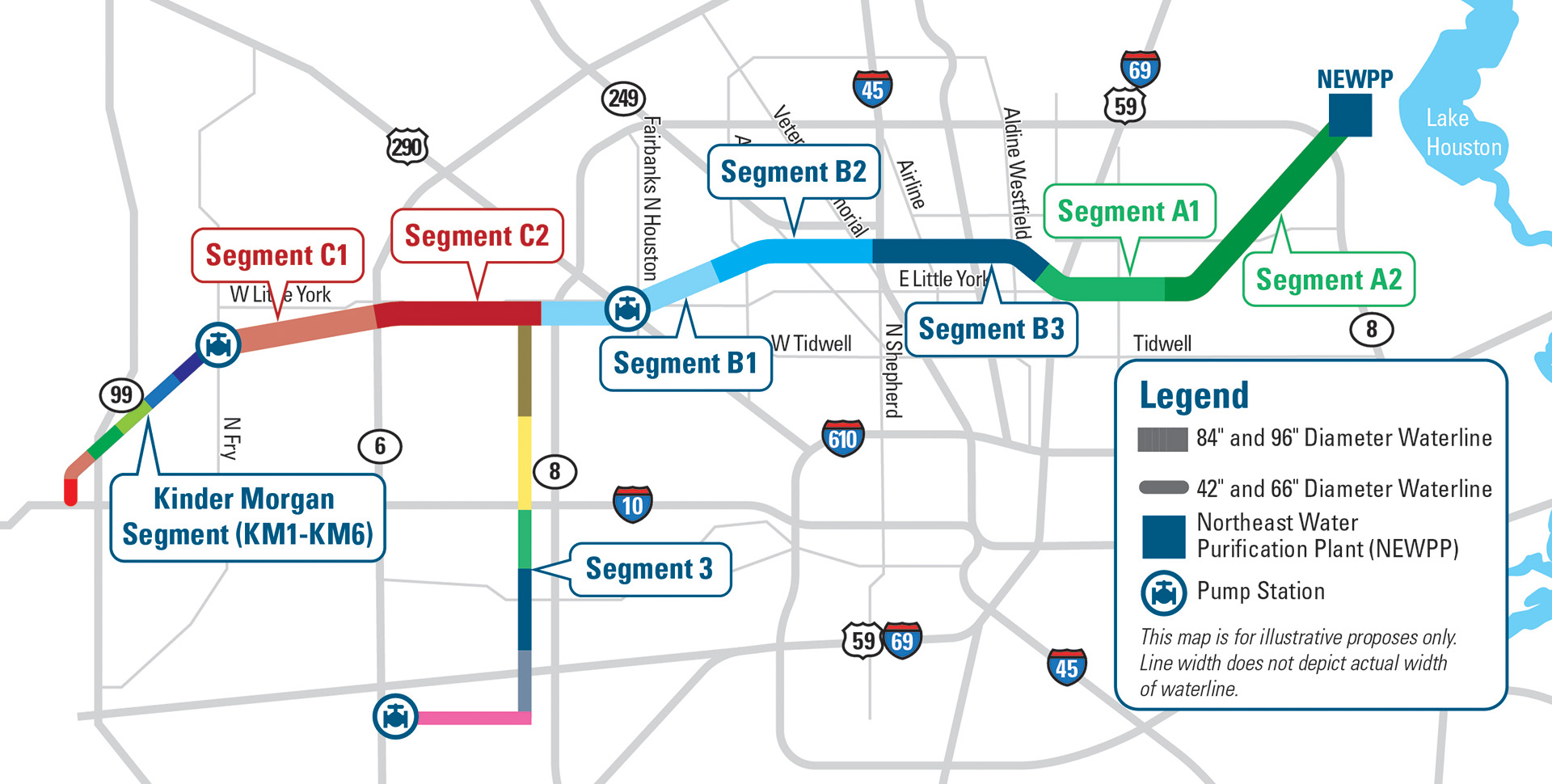
How the Surface Water Supply Project Will Deliver Water to Local Communities
The system begins with water from Lake Houston, which is treated through the City of Houston's Northeast Water Purification Plant.
From there, the water will travel through a network of transmission pipelines extending across the region.
The project includes more than 55 miles of pipeline, with pipe diameters ranging from 42 inches to 96 inches, along with two large pump stations designed to move water through the system.
The pipelines are divided into multiple construction segments, including A1, A2, B1, B2, B3, C1, C2, the Kinder Morgan segments and Segment 3.
Construction began in 2020, with the work organized into phases supporting regional groundwater conversion requirements.
Once operational, the system is intended to deliver treated surface water to participating retail water providers, including Municipal Utility Districts (MUDs), Public Utility Districts (PUDs) and Water Control and Improvement Districts (WCIDs).
These local providers are responsible for distributing water to the homes and businesses within their service areas.
For homeowners, the project represents an investment in the larger infrastructure system that supports everyday necessities, from running faucets and showers to operating schools, businesses and community facilities.
What the Surface Water Supply Project Means for Residents
For families in Copperbrook, the significance of this project comes down to something simple: having a sustainable source of water as the Houston region continues to develop.
The project is designed to help participating water providers meet regulatory requirements while reducing the amount of groundwater pumped from local aquifers.
That transition can also help address the long-term subsidence concerns associated with excessive groundwater withdrawal.
There are important distinctions for homeowners to understand, however.
The project does not automatically mean lower water bills, immediate changes in water service or a new water source for every neighborhood. Whether a particular community receives water through the system depends on its retail water provider and the applicable service arrangements.
Likewise, while reducing groundwater pumping is an important tool for limiting subsidence, the project should not be interpreted as eliminating flood risks or solving existing drainage problems.
Its primary purpose is to support regional water supply needs and groundwater reduction requirements.
For residents who want to know whether their neighborhood will receive water through the project, their local MUD or other retail water provider is a useful place to start.
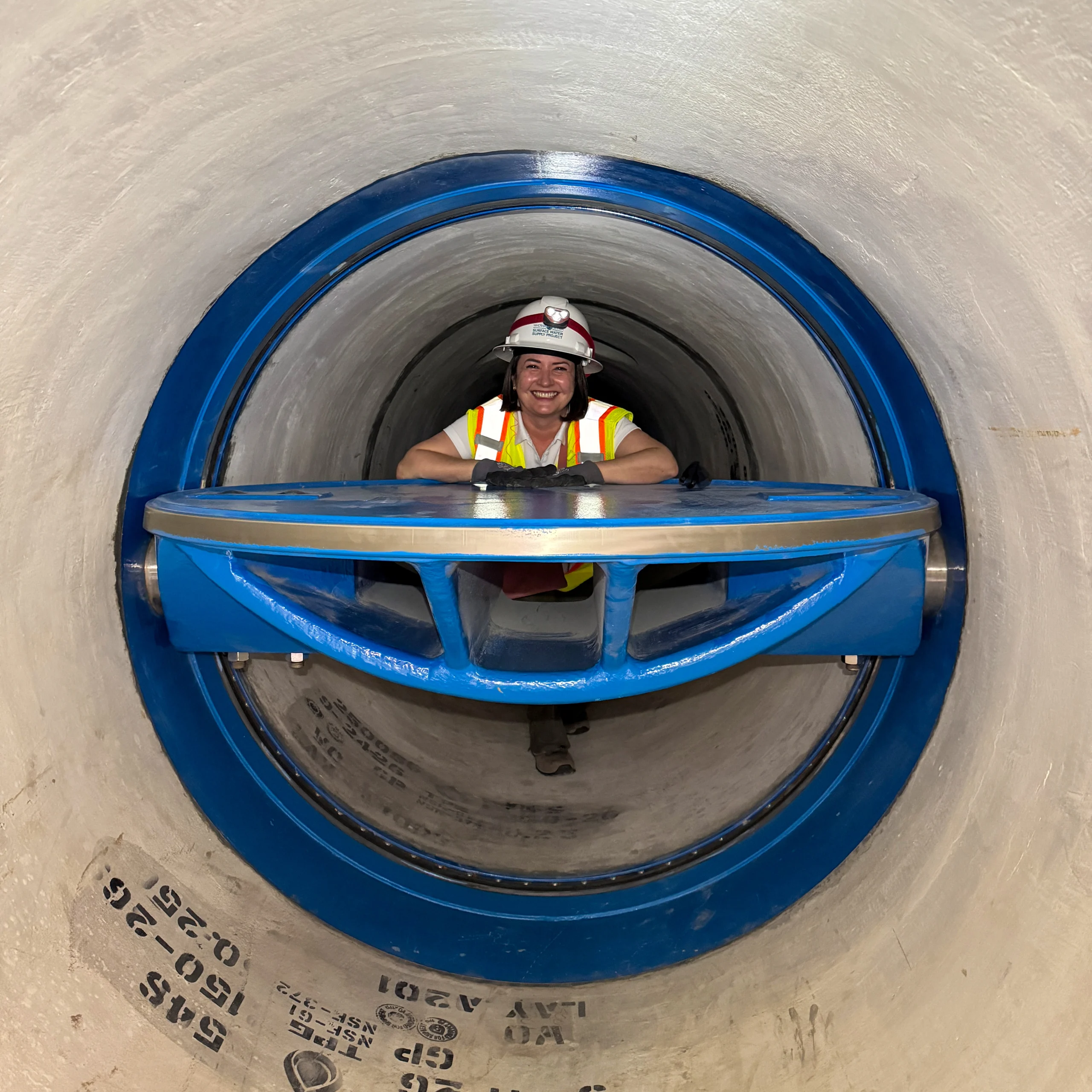
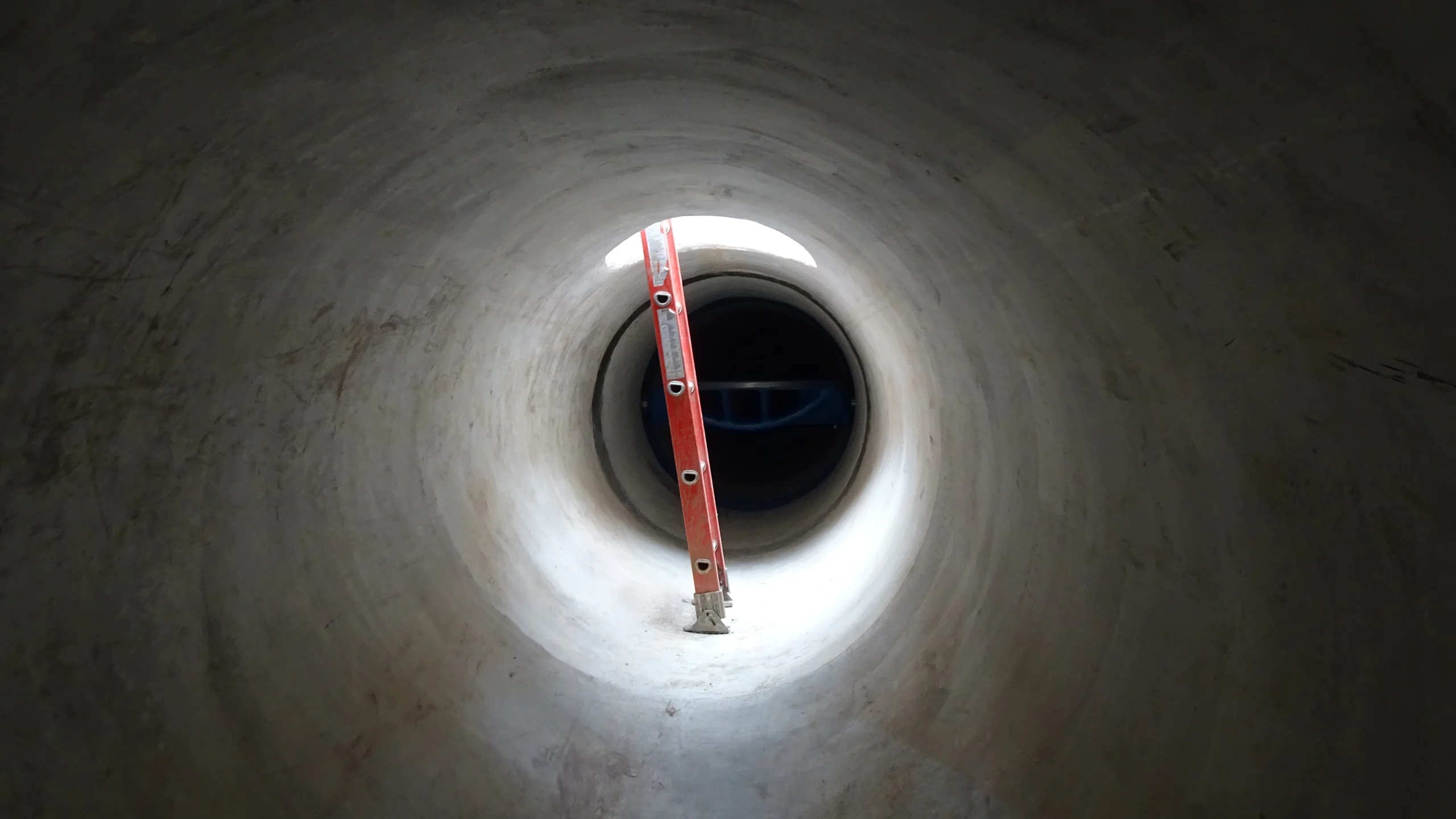
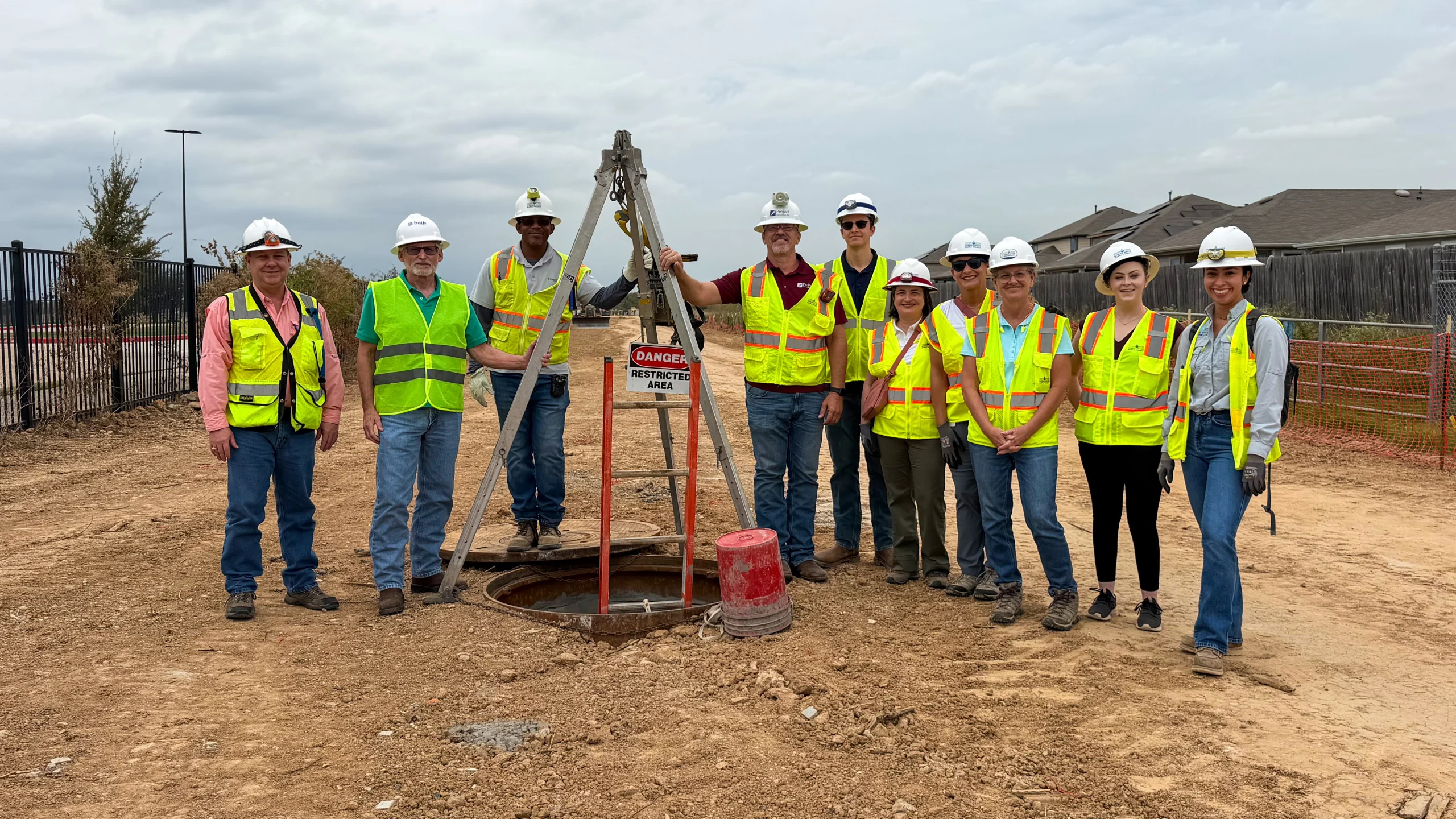
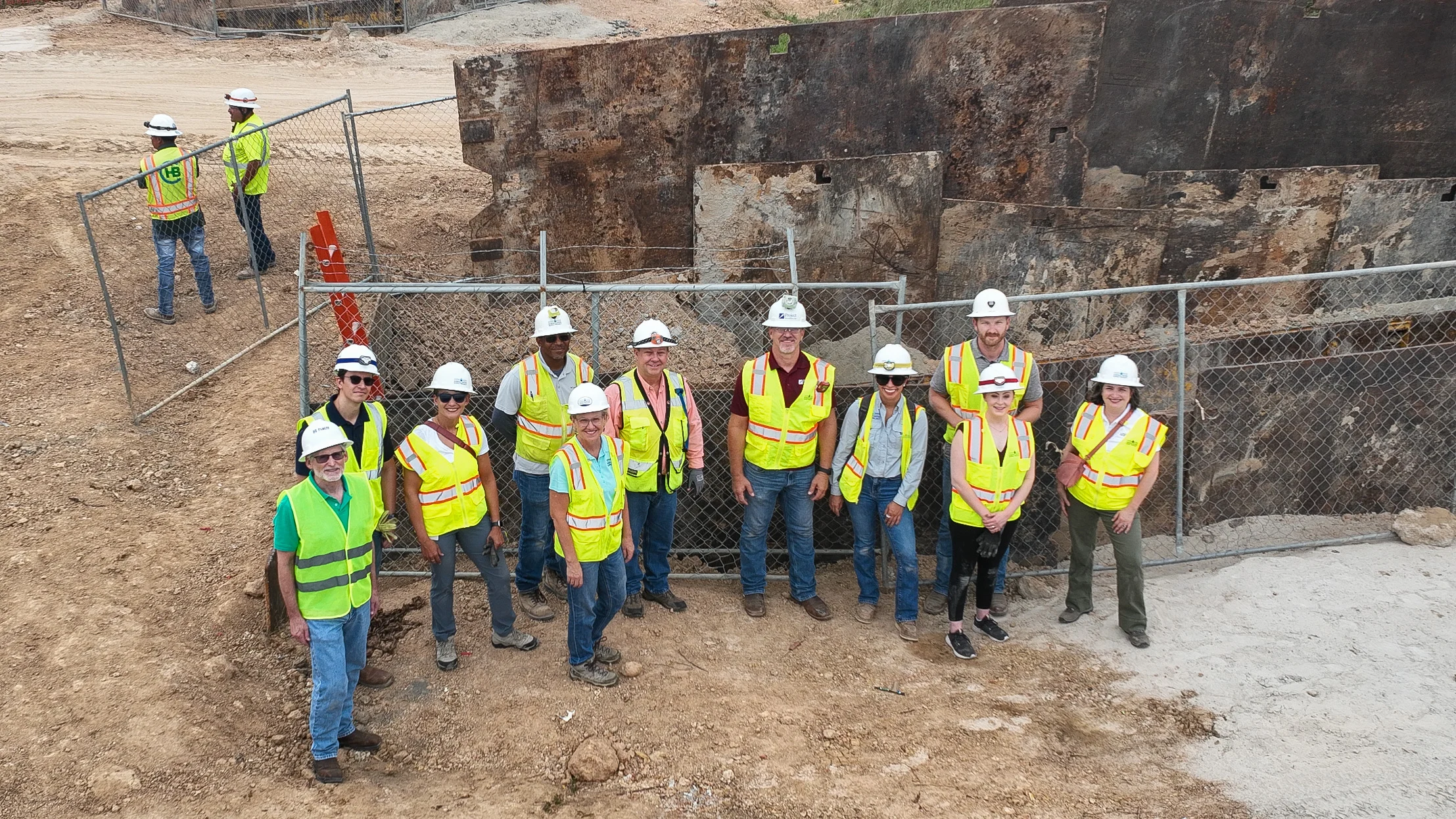
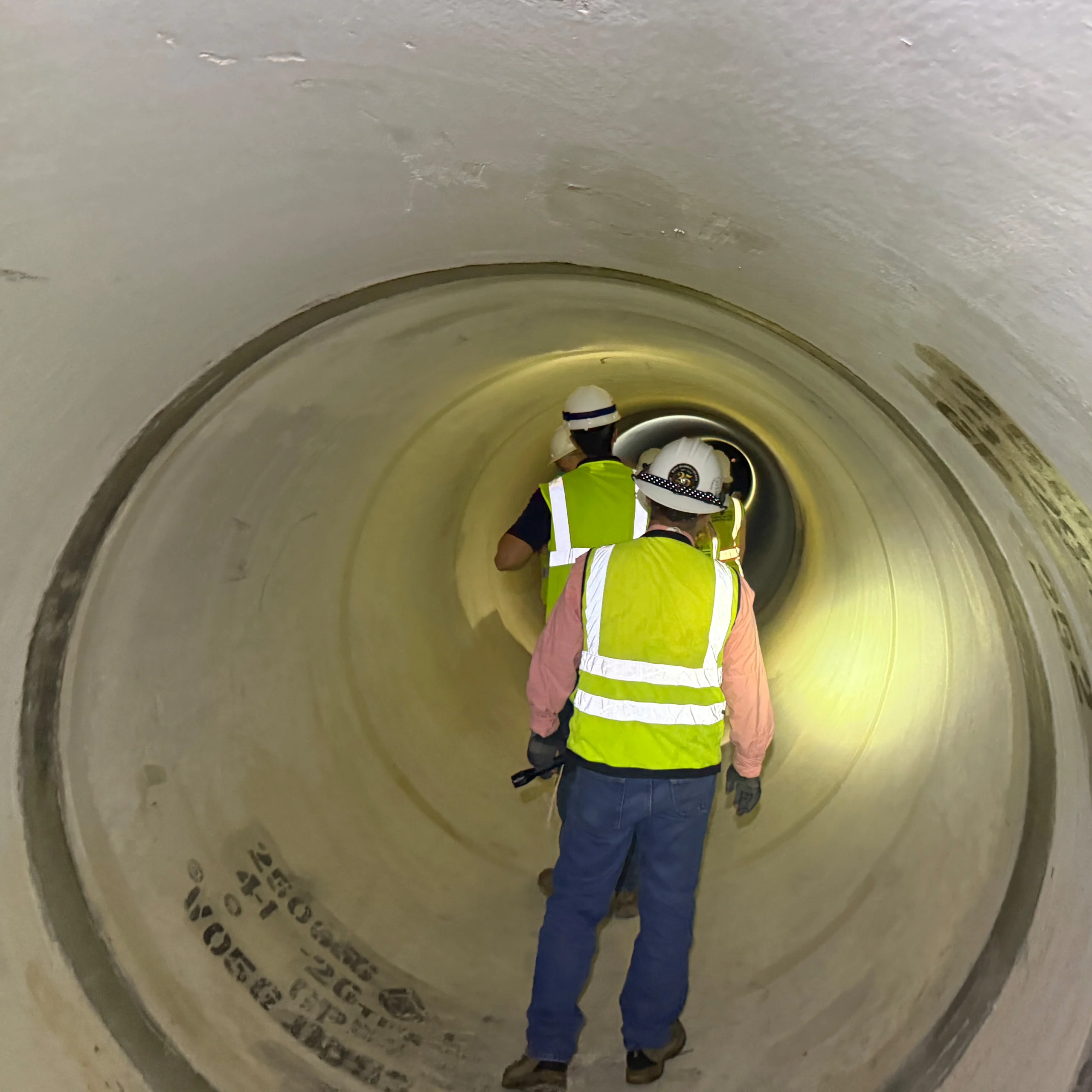
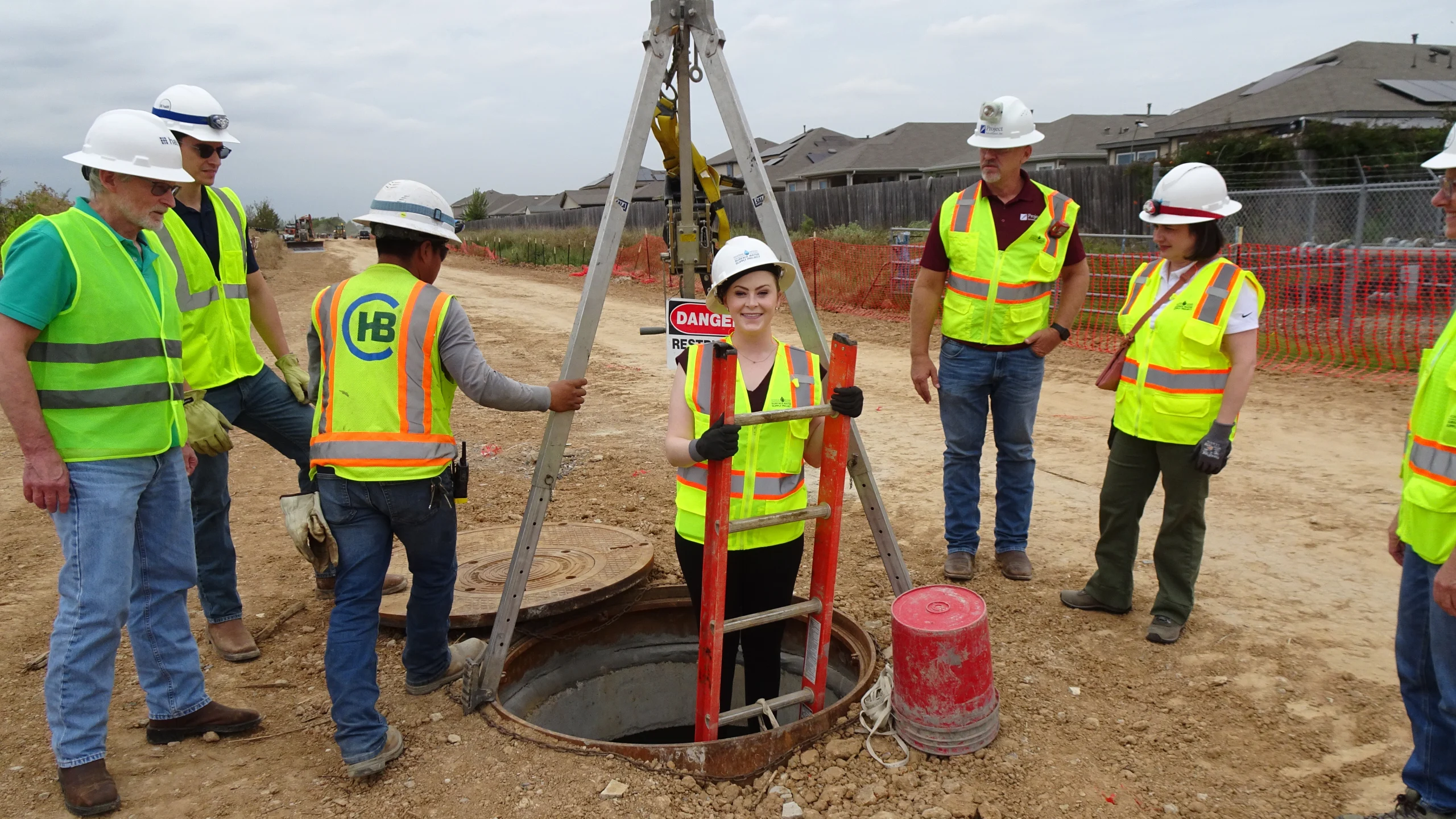

(Source: WHCRWA)
What's Next for the Surface Water Supply Project?
The November 2 update highlights progress on Kinder Morgan Segment 1, but it does not establish a completion date for the entire project or indicate when individual neighborhoods will begin receiving water through the system.
The broader construction effort involves numerous pipeline segments, pump stations and connections that must work together before the system can serve its intended purpose.
As additional sections are completed, the project will move closer to its long-term goal of supplying treated surface water to participating communities across West Harris County and North Fort Bend County.
Residents interested in following construction progress, learning more about the pipeline route or requesting information for their neighborhood can contact the Surface Water Supply Project team directly.
Surface Water Supply Project Contact Information
- Website: surfacewatersupplyproject.com
- Email: info@surfacewatersupplyproject.com
- Project Hotline: 1-844-638-SWSP (7977)
The project team also offers presentations for local organizations, including neighborhood groups and community associations, either in person or virtually.
Additional information about the regional water authorities is available at Greater Houston Water.
For residents across the region, the miles of pipeline being installed today are largely out of sight. Yet the work taking place underground is intended to support something every neighborhood depends on: a reliable water supply for the years ahead.
Stay tuned to My Neighborhood News for additional updates on the Surface Water Supply Project, West Harris County Regional Water Authority construction and infrastructure developments affecting local communities.

 Tiffany Krenek has been on the My Neighborhood News team since August 2021. She is passionate about curating and sharing content that enriches the lives of our readers in a personal, meaningful way. A loving mother and wife, Tiffany and her family live in the West Houston/Cypress region.

Local business spotlight
Grow your business
where trust already lives.
Let’s introduce your business to the neighbors nearby.
Have a local favorite?
Let’s make an introduction.
Leave your email and our team will reach out with ways to promote your business.
Give a local favorite a little love.
Know a business your neighbors should discover? Tell us who they are.
We couldn’t send that just yet. Please try again.