






Holiday Cooking in Savannah Place: Why the San Antonio River Authority Says Keep Grease Out of Your Drains This Thanksgiving
Thanksgiving dinner is one of those meals families look forward to all year. From roasted turkey and homemade gravy to tamales, buttery mashed potatoes and favorite family recipes, there's usually plenty of cooking, plenty of dishes and, eventually, a kitchen full of cleanup.
For homeowners in Savannah Place, what happens to the grease left behind after that holiday meal can make a bigger difference than many people realize. Pouring cooking oil down the sink or rinsing greasy pans with hot water might seem harmless, but those everyday habits can contribute to clogged sewer lines, expensive plumbing repairs and wastewater overflows that threaten nearby creeks and rivers.
That's why the San Antonio River Authority is reminding residents to keep fats, oils and grease out of household drains this Thanksgiving and throughout the holiday season. A few small changes in the kitchen can help protect household plumbing, neighborhood wastewater infrastructure and the waterways that connect communities across the San Antonio River Basin.
What Is a Fatberg, and Why Should Homeowners Be Concerned?
The San Antonio River Authority has a name for the stubborn sewer blockages that can develop when grease and other waste accumulate underground: fatbergs.
A fatberg is a hardened mass of fats, oils, grease and other debris, including wipes and non-biodegradable materials, that collects inside sewer pipes. Over time, these materials can build up along pipe walls, restricting the flow of wastewater.
The problem often begins with something as ordinary as pouring bacon grease into the sink or washing leftover gravy down the drain.
Even when grease is liquid and appears to wash away with hot water, it can cool, solidify and accumulate farther along the plumbing system. When combined with wipes, food scraps and other debris, the resulting blockage can become difficult and costly to remove.
For homeowners, that can mean slow drains, unpleasant odors, sewage backups and unexpected plumbing bills. Larger blockages in public sewer lines can also affect neighboring homes and businesses.
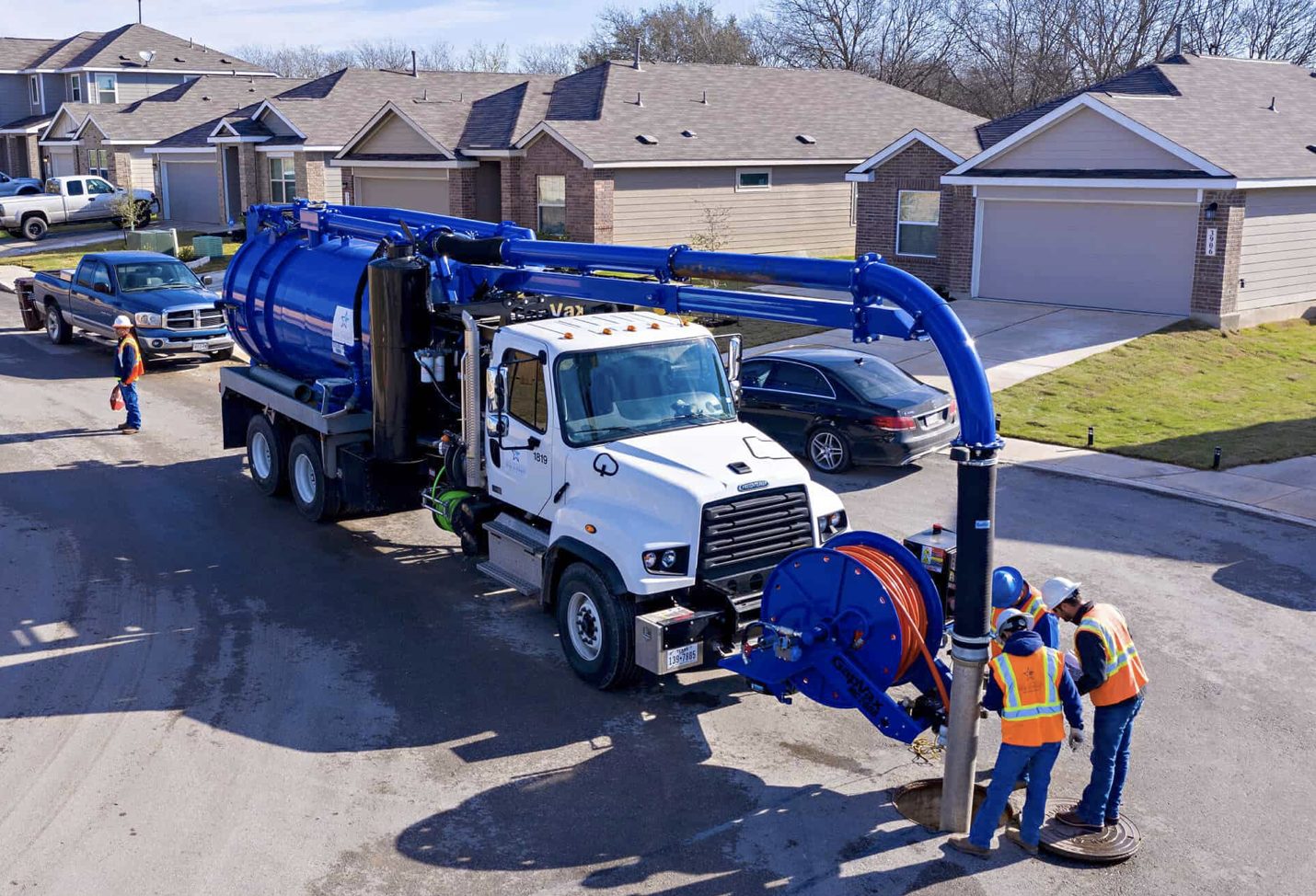
The River Authority warns that these obstructions can contribute to sanitary sewer overflows, which occur when wastewater escapes from the sewer system before reaching a treatment facility. Depending on where an overflow occurs, untreated wastewater can enter streets, drainage areas, local creeks and rivers.
How the San Antonio River Authority Helps Protect Local Waterways
The San Antonio River Authority is a regional governmental agency established in 1937 to help manage and protect water resources throughout the San Antonio River Basin.
Its jurisdiction encompasses Bexar, Wilson, Karnes and Goliad counties, where the agency works on watershed management, flood risk reduction, environmental stewardship, water quality and wastewater services.
For residents of Savannah Place, the agency's holiday reminder connects an everyday household responsibility with the larger effort to protect the region's water resources. Although wastewater service providers vary by neighborhood, the same precautions apply whether a home receives sewer service from the River Authority, a municipality, a utility district or another provider.
The River Authority owns and operates five wastewater treatment plants with a combined treatment capacity of approximately 15 million gallons per day. These facilities use biological treatment processes that depend on microorganisms to help break down waste.
Excessive grease and other debris entering the wastewater system can interfere with treatment operations, damage equipment and increase maintenance demands.
The agency's work also extends beyond wastewater treatment. Through watershed protection, water quality monitoring, public education and environmental programs, the River Authority helps safeguard the creeks, streams and rivers that communities depend on.
Residents can learn more about its responsibilities and wastewater services at sariverauthority.org.

Thanksgiving Foods That Should Never Go Down the Drain
Some of the foods most likely to leave grease behind are also holiday favorites.
The San Antonio River Authority identifies several common sources of fats, oils and grease, often referred to as FOG, that can contribute to sewer blockages:
-
Turkey drippings and other animal fats
-
Butter, margarine, lard and shortening
-
Cooking oils and frying grease
-
Gravy, sauces and salad dressings
-
Dairy products
-
Soups and broths containing fats
-
Desserts containing butter or other fats
-
Food scraps and leftover batter
The issue isn't limited to Thanksgiving. Grease from breakfast bacon, fried foods, homemade meals and everyday cooking can accumulate throughout the year.
One common misconception is that running hot water or adding dish soap makes grease safe to pour down the drain. Although these methods may temporarily move grease through household plumbing, they do not eliminate the possibility of buildup farther down the sewer line.
The safer choice is to keep grease out of the drain altogether.
Three Simple Ways to Prevent Clogged Drains During the Holidays
Fortunately, protecting household plumbing doesn't require special equipment or expensive products.
The San Antonio River Authority recommends three straightforward steps that families can incorporate into their regular kitchen cleanup routine.
1. Collect cooking grease and throw it away.
Instead of pouring cooking oil or grease into the sink, carefully transfer it into a suitable container once it has cooled enough to handle safely. Allow the contents to solidify, using the freezer if appropriate, before placing the sealed container in the household trash.
Old jars and cans can be useful for collecting grease, provided the container is suitable for the temperature of the contents and can be disposed of safely.
2. Scrape plates, pots and pans before washing.
Before loading the dishwasher or washing dishes by hand, scrape leftover food, sauces and batter into the trash.
For particularly greasy cookware, wiping away excess grease with a paper towel before washing can help keep additional fats and oils out of the plumbing system.
3. Keep wipes and other disposable products out of toilets.
Toilets aren't trash cans, even when products are marketed as disposable or flushable.
The River Authority specifically cautions against flushing baby wipes, disinfectant wipes, disposable diapers and rags. These materials can combine with grease and other debris to form sewer blockages.
Only human waste and toilet paper should be flushed.
These simple precautions are especially helpful during Thanksgiving gatherings, when larger meals, extra guests and frequent kitchen cleanup can place additional demands on household plumbing.
Winter Water Use Could Also Affect Future Sewer Bills
The River Authority's holiday guidance includes another money-saving reminder for households receiving wastewater service through its utility system: winter water consumption can influence future sewer charges.
The agency uses a billing method called winter averaging, which calculates sewer charges using household water consumption during three complete billing cycles between mid-November and mid-March.
Under the River Authority's billing structure, that winter average helps determine sewer charges for the annual billing period beginning the following October 1.
The reason is relatively simple. Winter water consumption generally provides a better estimate of the water entering the wastewater system because households typically use less water outdoors during cooler months.
For customers whose sewer bills are calculated using winter averaging, reducing unnecessary water consumption during the measurement period may help lower future sewer costs.
The River Authority recommends considering water-efficient appliances and plumbing fixtures, including products certified through the U.S. Environmental Protection Agency's WaterSense program.
Outdoor watering habits can also make a difference. Since many lawns and landscape plants need less water during cooler weather, residents can adjust irrigation schedules and use hand watering when necessary.
An important distinction for homeowners: Winter averaging policies vary among wastewater providers. Residents should check with their own water or sewer utility before assuming the River Authority's billing schedule or calculation method applies to their household.
Additional information about the River Authority's wastewater billing practices is available through its wastewater billing information.

A Small Holiday Habit That Can Help Protect the Whole Neighborhood
When the Thanksgiving dishes are finally washed and the leftovers are tucked into the refrigerator, most families are ready to relax. The last thing anyone wants is an overflowing sink, a backed-up sewer line or an unexpected call to a plumber.
Keeping grease out of drains is one of those small household habits that can prevent much larger problems.
For residents in Savannah Place, it's also a reminder that caring for a neighborhood includes paying attention to the infrastructure people rarely see. Sewer lines, wastewater treatment facilities and local waterways are connected parts of the systems that support homes, businesses and everyday life.
This holiday season, setting aside a container for leftover cooking grease, scraping plates before washing and keeping wipes out of toilets are practical ways to help protect those systems.
Residents interested in learning more about preventing sewer blockages, protecting local waterways and conserving water can visit the San Antonio River Authority website for additional educational resources.
Stay connected with My Neighborhood News for more seasonal home maintenance tips, local utility information and community updates that help residents protect their homes and neighborhoods.

 Tiffany Krenek has been on the My Neighborhood News team since August 2021. She is passionate about curating and sharing content that enriches the lives of our readers in a personal, meaningful way. A loving mother and wife, Tiffany and her family live in the West Houston/Cypress region.

Local business spotlight
Grow your business
where trust already lives.
Let’s introduce your business to the neighbors nearby.
Have a local favorite?
Let’s make an introduction.
Leave your email and our team will reach out with ways to promote your business.
Give a local favorite a little love.
Know a business your neighbors should discover? Tell us who they are.
We couldn’t send that just yet. Please try again.