








Beyond the Uniform: How Harris County Veterans Treatment Court Is Helping Local Veterans Find Sobriety, Support and a Second Chance
For 65-year-old Katy resident Joachim Lohan, a single bottle of beer in his garage refrigerator represents nearly two years of hard work, difficult conversations and a decision that changed his life. Wrapped in duct tape and marked with the date November 29, 2024, it remains untouched as a reminder of the day he stopped drinking.
After serving 26 years in the U.S. Navy, including multiple deployments overseas, Lohan returned to civilian life carrying memories he rarely discussed. Alcohol became a way to cope, eventually contributing to two arrests for driving while intoxicated.
Today, Lohan is preparing to celebrate his second anniversary of sobriety and graduate from Harris County's Misdemeanor Veterans Treatment Court, a program that helps eligible veterans address substance abuse, mental health challenges and the lasting effects of military service while taking responsibility for criminal offenses.
He is not alone. Another former Navy sailor, Monica Apolinar, 33, is finding her own way forward through the same program after experiencing trauma during her military service and struggling with alcohol following her discharge.
Their experiences, shared as Harris County marks Veterans Day on November 11, 2026, offer a closer look at an important local resource that many veterans and military families may not realize exists.
A Lifetime of Service, Followed by Years of Unspoken Struggles
Lohan began his Navy career in 1980, reporting to his first duty station in Newport, Rhode Island, just before Christmas. He later received specialized chemical warfare training at Fort Leonard Wood in Missouri, home of the Army Chemical Corps, known as the Green Dragons.
His training led to assignments in the Middle East, where he spent approximately 15 years on and off. Over his career, he completed four deployments, including a final 19-month tour in Afghanistan, before leaving the military honorably in June 2007.
He chose to remain a Navy chief rather than pursue a higher-ranking position, preferring to work directly with junior sailors and help guide them through their careers.
But military service also brought losses that followed him home.
"Along the way, you meet people, and some don’t make it home," Lohan recalled.
He remembers fellow service members proudly displaying photographs of their spouses and children, then carefully storing them in helmets and sleeping areas. Some of those men and women never returned to their families.
"You know, you wonder sometimes, when you make it home, uh, why me?" he said.
After leaving the Navy, Lohan was encouraged to connect with the U.S. Department of Veterans Affairs for medical care and other benefits. Each visit, however, brought feelings of guilt when he encountered younger veterans with visible injuries.
He would give up his place in line to someone using a wheelchair or living with an amputation, eventually leaving without receiving assistance himself.
"I didn't know how injured I was because mine wasn't physical," he explained. "So, I just kind of put it in a box and walked away."
Alcohol was already familiar in Lohan's family. His father, grandfather and brother all struggled with alcoholism and died of cirrhosis by age 75.
For years, drinking became part of how he managed painful memories, particularly around Memorial Day.
One year, after putting on his uniform and drinking in remembrance of fallen service members, Lohan passed out in his truck while parked in his own driveway. A retired airman who lived across the street found him with the driver's door open and woke him.
"He woke me up. I was embarrassed," Lohan said. "I made a promise to my wife at that time. I will at least get plugged in."
He visited the VA and completed the initial paperwork, but did not continue seeking treatment.
His first DWI arrest followed in 2021, after a song on the radio brought back painful memories while he had been drinking.
Then, in November 2024, he was arrested again.
After an evening at a bar with co-workers, where he played pool and drank beer and whiskey, Lohan encountered a road closure near his Katy neighborhood. Believing he could safely drive around it, he passed between two barriers and came face to face with an officer.
He was arrested and taken to the Harris County Jail.
"I was hitting my head against the back seat of the vehicle. I was so embarrassed… It wasn't pretty," he recalled. "I said, ‘Lohan, what the [expletive] did you just do?’"
At approximately 2 a.m., he stood outside the jail in disposable paper scrubs, waiting in the cold for his wife to pick him up.
The drive home was silent.
Lohan knew something had to change, and this time, he understood that he had to be the one to make it happen.
Another Navy Veteran's Dream Career Takes a Painful Turn
For Monica Apolinar, the challenges began much earlier in her military career.
Apolinar had wanted to join the military since middle school. She participated in ROTC throughout high school and enlisted in the Navy in February 2021 at age 27, expecting to build a long-term career in the service.
By October of that year, she had arrived at her first duty station in Rota, Spain, as a newly trained operations specialist.
What should have been an exciting beginning quickly became a traumatic experience.
Apolinar said her assigned Navy sponsor did not pick her up when she arrived. She had no working cell phone because of the international move, and a former training school roommate she had traveled with left her behind.
She eventually went to a bar, where she began feeling unusually disoriented.
When she woke the following morning, she had little memory of the previous night and discovered marks on her neck and face.
Apolinar said she had been drugged and sexually assaulted by a man she believed was assigned to another ship. She never saw him again.
Days later, when she reported aboard her own ship, she learned that photographs from the night of the alleged assault had circulated among other sailors.
"The person that did it took pictures that night, and they had a group chat," she said. "Basically, people knew me before I walked in the ship."
Feeling isolated and struggling with what had happened, Apolinar began drinking whenever her ship reached port. What initially involved social drinking eventually progressed to blackouts and drinking alone.
According to Apolinar, Navy officials knew about the assault and her alcohol use. She said they restricted her from leaving the ship for approximately six to eight months in an effort to prevent her from drinking.
The restrictions did not resolve her struggles. Within about a year, she received a general discharge under honorable conditions for failing to follow orders related to alcohol use.
For someone who had spent years preparing for military service, losing that future was especially difficult.
"I was ready to be in the military for the full 10 years," she said. "It was really heartbreaking for me to lose that."
Returning home brought more challenges. Apolinar struggled to find employment, experienced depression and felt unable to tell her family what had happened.
"I essentially came back a failure … to my family," she said. "I didn't want them to know."
In July 2024, she was charged with DWI after rear-ending another vehicle on her way home. Although she said she had not consumed alcohol that day, she had been drinking heavily the previous evening.
"I was this close to getting home safely," Apolinar recalled. "But if that didn't happen, I wouldn't be where I am now."
Her case was assigned to a judge who was also a military veteran. After learning about her background, he introduced her to Harris County's Misdemeanor Veterans Treatment Court.
She entered the program in July 2025 and has been sober since September 3 of that year.

Inside Harris County Veterans Treatment Court: Accountability With a Different Approach
Unlike traditional criminal court proceedings, Harris County's Misdemeanor Veterans Treatment Court brings judges, attorneys, caseworkers, treatment professionals and veterans together around a common goal: helping participants address the underlying problems contributing to their criminal behavior.
The program works closely with the U.S. Department of Veterans Affairs to connect eligible veterans with mental health treatment, substance abuse counseling and other support services.
Participants follow a structured program with four phases, beginning with court appearances every two weeks. As they meet program requirements and make progress, the frequency of those appearances decreases.
Veterans must meet eligibility requirements involving their military service, discharge status, pending misdemeanor charge and connection between their offense and service-related mental health or substance use challenges.
The program also requires applicants to submit documentation about their military background and offense, a resume and recommendations from individuals outside their family.
For veterans who successfully complete the program, dismissal of eligible charges and expunction of criminal records may be possible, depending on the circumstances of their cases and applicable legal requirements.
Judge Juanita Jackson Focuses on Progress, Not Just Setbacks
Presiding over the misdemeanor program is Judge Juanita Jackson, who has spent two years working with veterans facing challenges that often extend far beyond their criminal charges.
Jackson is not a veteran herself, unlike previous judges who oversaw the program. She believes that gives her a different perspective on the experiences participants bring into her courtroom.
"It's a kind of damage that we'll never understand, and that the average person has not experienced," Jackson said of the trauma some veterans carry.
She explained that military training can encourage service members to set aside difficult emotions rather than process them, habits that may continue long after they return to civilian life.
Her approach to Veterans Treatment Court reflects that understanding.
Before each docket, Jackson meets with attorneys and caseworkers to discuss each participant's progress and any concerns that need attention.
When court begins, she often stands among the veterans rather than remaining on the bench. She celebrates achievements with handwritten notes, small prizes, hugs and recognition of sobriety milestones.
When someone struggles, she prefers to sit face to face with the participant and talk about what is happening.
"I talk with them and hold their hands," Jackson said. "They'll cry, and I cry with them. I hold them, and I say, ‘We're gonna get through this. We're all here for you.’"
Many participants are dealing with additional difficulties, including unemployment, divorce, medical conditions, unhealthy relationships and the loss of loved ones.
Jackson said she rarely responds to addiction-related setbacks with jail time or community service, questioning whether those consequences help veterans make meaningful progress.
"Our veterans have served their country. So why would I tell them they've got to do eight hours picking up trash?" she asked. "They've already served."
Instead, she may ask participants to observe court proceedings and report what they learned, or complete written assignments about mental health conditions and available treatment.
She also recognizes that relapse can be part of the recovery process, rather than treating every setback as a reason to abandon treatment.
"I just thought the formula was wrong. We've got veterans that we know have really serious mental health and addiction problems," she said.
For Jackson, the responsibility of the court includes holding veterans accountable while helping them develop the skills and support needed to avoid returning to the criminal justice system.
Two Veterans, Two Different Paths Toward Recovery
When Lohan entered Veterans Treatment Court in 2025, he had already gone approximately 10 months without alcohol.
After his second DWI arrest, he had removed the alcohol from his home, including a bottle of Woodford Reserve bourbon he had enjoyed on cold evenings.
He kept only the Modelo beer now sitting in his garage refrigerator, wrapped in duct tape and marked with the date he stopped drinking.
At the time, he wasn't certain he could remain sober for the rest of his life.
The court program helped him understand that recovery required more than simply giving up alcohol.
Lohan approached the process with the same discipline he had brought to his Navy career, keeping detailed checklists, notes and appointment records.
He was particularly impressed by the program's required 16 weeks of group therapy. The experience prompted him to schedule additional individual counseling with the therapist leading the sessions.
For the first time, he began talking openly about experiences and emotions he had kept to himself for years.
He also learned that some of the most difficult work begins after the drinking stops.
"It's almost more intensified, because you’re not medicated anymore," Lohan said, explaining that trauma, nightmares and other mental health challenges do not necessarily disappear with sobriety.
He continues attending therapy, working through survivor's guilt and learning to forgive himself.
Sometimes, he wishes he could write the word guilt on a piece of paper, throw it into a fire and be free of it. He knows the process is more complicated than that.
Still, his outlook has changed.
"I'm grateful. Will I live forever? No. I've embraced that," he said. "But you know what? I'm sober, and that's a big deal to me, knowing that in the history of the men in my family, no one lived past 75."
Lohan is expected to reach two years of sobriety on November 29, 2026, and graduate from Veterans Treatment Court in December.
For Apolinar, now in Phase 3 of the program, recovery has involved finding both professional support and a sense of community.
Through Veterans Treatment Court, she learned about benefits she did not realize she qualified for and built relationships with people who have helped her navigate challenges in her personal life.
Twice, Judge Jackson has pulled her aside after learning she was having a difficult time.
Their conversations have included the end of a relationship involving domestic violence, struggles with sobriety and the stress of returning to school.
During their most recent conversation, Apolinar said Jackson hugged her, reassured her and encouraged her to keep fighting for herself.
Today, Apolinar is pursuing an accounting degree at the University of Houston-Downtown, building a new future after the military career she once envisioned came to an unexpected end.
Looking back at where she was before entering the program, she believes that support arrived at a critical time.
"I really think that maybe I wouldn't be alive," she said.

What Harris County Veterans and Their Families Should Know About the Program
For veterans living in Houston, Katy, Cypress, Spring and other Harris County communities, the Misdemeanor Veterans Treatment Court represents a specialized option when service-related mental health or substance use challenges contribute to criminal charges.
According to the Harris County Community Supervision and Corrections Department, applicants generally must be current military personnel or veterans with qualifying discharge status, have a pending misdemeanor charge approved by the Harris County District Attorney's Office, reside in Harris County, meet citizenship or legal residency requirements, and be eligible for VA services.
The VA must also determine that the criminal behavior is connected to military service. Participation is not automatic, and eligibility is evaluated individually.
Veterans and families can learn more through the Harris County Community Supervision and Corrections Department's Specialty Courts page. Those facing eligible charges can also speak with their attorneys about the referral process.
For veterans seeking help with alcohol or substance use outside the criminal justice system, the VA Houston Health Care System's Substance Disorders Treatment Program offers outpatient treatment and connections to additional mental health services.
These resources matter not only to veterans but also to spouses, children, parents and friends who may be trying to help someone they care about.
As communities throughout Harris County recognize Veterans Day, the experiences of Lohan and Apolinar offer a perspective on military service that is not always part of the annual celebrations.
Both veterans faced serious consequences for their actions. Both continue to work through difficult personal experiences. And both have found that asking for help can be an important part of moving forward.
For Lohan, that progress is measured in nearly two years without a drink and an upcoming graduation. For Apolinar, it includes more than a year of sobriety, an education she is pursuing and a support network she did not have before.
Their stories are reminders that supporting veterans does not end with thanking them for their service. Sometimes, it means helping them find the resources, understanding and community they need long after they come home.
Stay connected with My Neighborhood News for more stories about Houston-area veterans, local support services and community programs helping residents and families across Harris County.

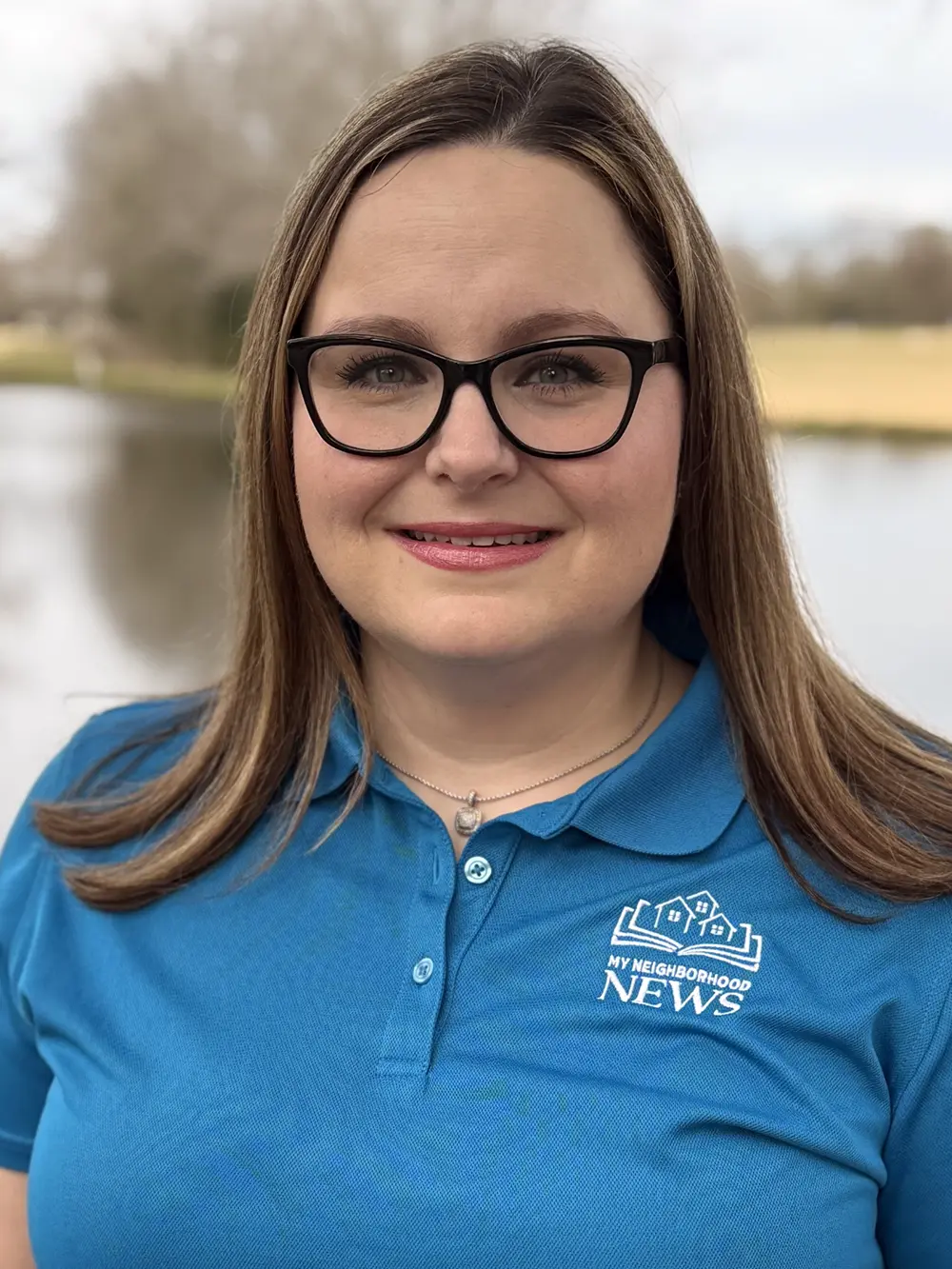 Tiffany Krenek has been on the My Neighborhood News team since August 2021. She is passionate about curating and sharing content that enriches the lives of our readers in a personal, meaningful way. A loving mother and wife, Tiffany and her family live in the West Houston/Cypress region.

Local business spotlight
Grow your business
where trust already lives.
Let’s introduce your business to the neighbors nearby.
Have a local favorite?
Let’s make an introduction.
Leave your email and our team will reach out with ways to promote your business.
Give a local favorite a little love.
Know a business your neighbors should discover? Tell us who they are.
We couldn’t send that just yet. Please try again.