







When Storm Damage Strikes: A Homeowner’s Guide to Repairs, HOA Approval and Community Compliance in Morningside Trails
Severe weather rarely leaves homeowners with a convenient repair schedule. A damaged fence, fallen tree limb, missing shingles or water intrusion may require immediate attention—sometimes before an insurance adjuster or contractor can even reach the property.
Protecting people and preventing further damage should always come first. Once urgent safety concerns are addressed, a few practical steps can help Morningside Trails homeowners move through the repair process while remaining mindful of their community’s requirements.
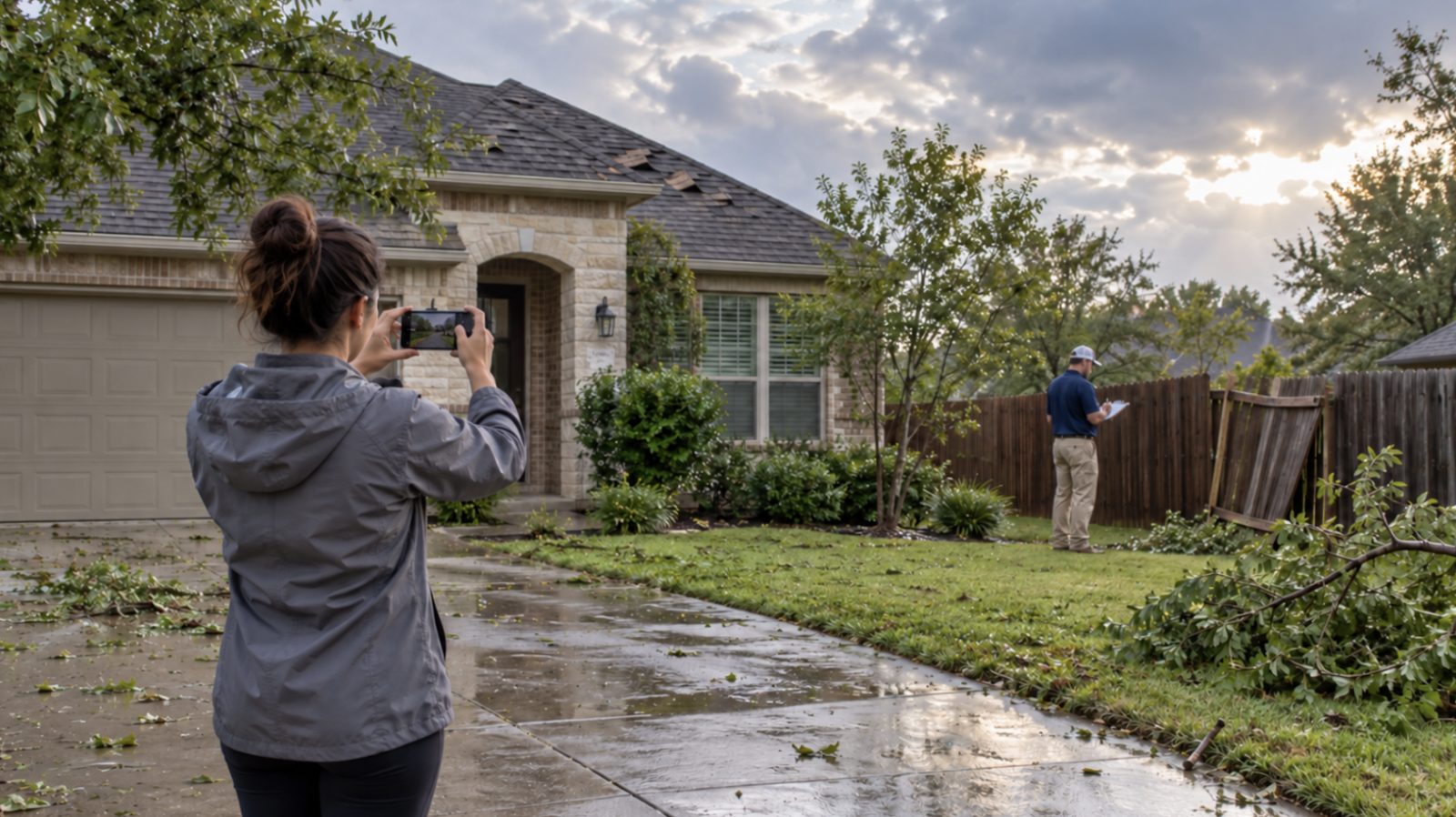
Start by Documenting the Damage
Before cleanup or repairs begin, take clear photographs and videos of all affected areas, provided it is safe to do so. Capture both close-up images and wider views that show the damage in relation to the home.
This documentation may be useful when working with an insurance company, contractor or community management team. Homeowners should also retain estimates, receipts, insurance correspondence and repair schedules until the project is complete.
If fallen limbs, unstable fencing, exposed wiring or other hazards are present, keep family members and neighbors away from the area and contact the appropriate emergency service or qualified professional.
Make Temporary Repairs When Necessary
Temporary repairs can help prevent storm damage from becoming worse. Tarps, boards and temporary fencing may be needed to keep water out, secure a damaged area or protect residents while permanent repairs are arranged.
Homeowners should remember that these measures are generally intended to be temporary. If insurance processing, contractor availability or material shortages will delay permanent repairs, communicating with the community management team can help document the situation and provide clarity about community-specific expectations.
Check Community Requirements Before Permanent Work Begins
Emergency stabilization and permanent reconstruction are not always the same thing. Once the immediate danger has passed, exterior repairs may need to follow the architectural standards established for the community.
Depending on the neighborhood and scope of work, advance approval may be required for projects involving:
- Roofing materials or colors
- Exterior paint
- Fence replacement or modification
- Sheds and other exterior structures
- Major landscaping changes
- Windows, doors or shutters
- Patios, pools and outdoor living areas
- Other visible exterior alterations
Even when a homeowner is replacing something damaged by a storm, the planned materials, design or color may differ from what was previously installed. City permits, contractor recommendations and insurance authorization also do not necessarily replace approval from the homeowners association.
Because governing documents and architectural requirements vary by community, residents should review their neighborhood’s specific guidelines before authorizing permanent exterior work.

Submit Projects and Communicate Through the Homeowner Portal
Morningside Trails residents can use the SBB Community Management homeowner portal to submit applicable projects for architectural approval and correspond with their community management team.
When submitting a project, homeowners can help prevent unnecessary delays by including as much information as possible, such as:
- Photographs of the damaged area
- A description of the proposed repairs
- Material and color selections
- Contractor plans or estimates
- Dimensions, surveys or site plans when applicable
- An anticipated repair timeline
If a contractor is waiting for approval or storm-related delays are affecting the schedule, homeowners should share those details through the portal rather than waiting until the situation becomes a compliance concern.
Handle Storm Debris Responsibly
Storm cleanup can quickly produce piles of branches, damaged fencing, roofing materials and other debris. Before placing these items at the curb, check local collection instructions for acceptable materials, placement requirements and pickup schedules.
Contractors may be responsible for removing construction and demolition debris generated by their work. Homeowners should clarify debris removal responsibilities before signing a contract and avoid placing materials where they could block sidewalks, streets, drainage areas, fire hydrants or mail delivery.
Be Cautious When Hiring Post-Storm Contractors
Severe weather often brings an influx of contractors into affected neighborhoods. Before signing an agreement or providing payment, homeowners should take time to verify the company’s identity, references, insurance coverage and applicable licensing.
Be cautious of contractors who demand a large upfront payment, pressure residents to sign immediately or offer to begin permanent exterior work without reviewing permit and HOA requirements. Written estimates should clearly identify the work, materials, price, payment schedule and cleanup responsibilities.
Communication Can Make the Repair Process Easier
Storm recovery does not always happen quickly. Insurance claims may take time, contractors may have waiting lists and materials may be temporarily unavailable. Keeping the community management team informed can provide important context and help homeowners understand the next steps for their particular neighborhood.
When in doubt, ask before beginning permanent work. A brief conversation and a complete project submission can help prevent delays, added expenses and the frustration of having to modify completed repairs.
Morningside Trails residents can access the SBB Community Management homeowner portal to submit projects for approval or communicate with their community management team.

 Tiffany Krenek has been on the My Neighborhood News team since August 2021. She is passionate about curating and sharing content that enriches the lives of our readers in a personal, meaningful way. A loving mother and wife, Tiffany and her family live in the West Houston/Cypress region.
Local business spotlight
Grow your business
where trust already lives.
Let’s introduce your business to the neighbors nearby.
Have a local favorite?
Let’s make an introduction.
Leave your email and our team will reach out with ways to promote your business.
Give a local favorite a little love.
Know a business your neighbors should discover? Tell us who they are.
We couldn’t send that just yet. Please try again.