






What Is a MUD? How Municipal Utility Districts Support Sydney Harbour and Why Saving Water at Home Matters
For families living in Sydney Harbour, turning on the kitchen faucet, taking a shower or watering the lawn is part of everyday life. Most people rarely think about the pipes, treatment facilities and drainage systems that make those routines possible. Yet behind those essential services is an extensive network of infrastructure that must be built, operated, maintained and paid for.
In many Texas neighborhoods, that responsibility belongs to a Municipal Utility District, commonly called a MUD. These local government entities help provide the water, wastewater and drainage infrastructure communities depend on, while giving residents a role in how those services are managed and funded.
Understanding how MUDs operate, where residents' tax dollars go and how everyday water conservation habits can help reduce waste gives homeowners a clearer picture of the systems supporting their neighborhoods.
What Is a Municipal Utility District in Texas?
A Municipal Utility District is a limited-purpose local government authorized under Texas law to provide essential infrastructure and services, particularly in developing communities that may not have access to existing municipal utility systems.
MUDs are especially common in growing areas of Texas, where new neighborhoods require reliable water supplies, wastewater treatment and drainage infrastructure before homes and businesses can be developed.
Depending on the district's legal authority and approved projects, a MUD may help finance, construct or maintain water distribution lines, wastewater collection systems, drainage facilities, roads, parks and recreational amenities.
Rather than requiring all infrastructure to be funded upfront by a city or another local government, MUDs can issue tax-exempt municipal bonds to finance eligible improvements. Those bonds are generally repaid over time through property taxes collected within the district.
For homeowners, this means a portion of their property tax bill may support the infrastructure serving their own community.
According to MUDs4Texas.org, more than 1,600 MUDs and similar districts operate across Texas, serving more than 3 million residents and representing over $50 billion in infrastructure investment. These figures reflect the organization's published estimates.
Who Makes Decisions for a MUD, and How Can Residents Participate?
One important feature of a Municipal Utility District is its local governance structure.
Texas MUDs are generally governed by five-member boards of directors. Directors are elected by eligible voters within the district, although newly established districts may initially have appointed directors before regular elections take place.
Board members make decisions involving budgets, tax rates, infrastructure projects, utility operations and long-term financial planning.
MUD board meetings are subject to Texas open meetings requirements, providing opportunities for residents to follow district business and participate through public comment procedures.
Districts are also subject to state oversight, including regulation by the Texas Commission on Environmental Quality (TCEQ), and are required to undergo annual financial audits.
For residents of Sydney Harbour, understanding which utility district serves their property is a useful starting point for becoming more informed about neighborhood services.
Homeowners can review district meeting agendas, adopted tax rates, financial reports and public notices to better understand how infrastructure decisions are made. Residents can also attend public meetings, contact district representatives and participate in eligible board elections.
These opportunities are particularly relevant when a district considers infrastructure improvements, utility rate changes, bond financing or other decisions that may affect household expenses.

How MUD Taxes Help Pay for Neighborhood Infrastructure
One of the most common questions homeowners have about Municipal Utility Districts concerns property taxes.
MUDs typically use property tax revenue to repay bonds issued for infrastructure construction and to support authorized district operations and maintenance.
A district's tax rate may include separate components for debt service and maintenance and operations. The exact amounts vary depending on the district's outstanding debt, operating expenses, property values and other financial considerations.
As infrastructure bonds are repaid, a district's debt obligations can decrease. However, that does not automatically mean the overall MUD tax rate will decline every year. Additional projects, operating costs, property valuations and future financing decisions can also influence the rate.
For homeowners, reviewing the district's annual tax rate and financial information can provide a better understanding of how their payments support community services.
Six Simple Water-Saving Tips Residents Can Use at Home
While MUDs help manage essential water infrastructure, residents also play a part in protecting water resources through everyday household habits.
Water conservation does not necessarily require expensive renovations or major lifestyle changes. Small adjustments in the kitchen, bathroom and laundry room can help households avoid unnecessary water use.
1. Check faucets and plumbing fixtures for leaks.
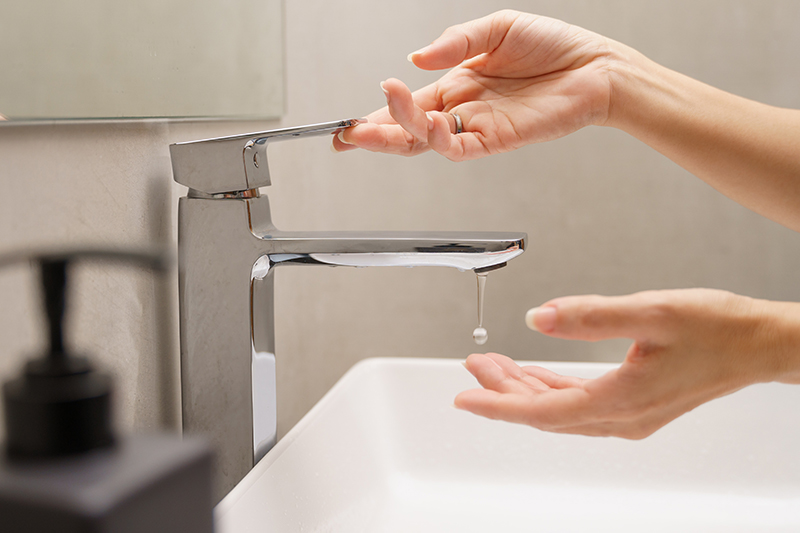
A dripping faucet or leaking fixture can waste a surprising amount of water over time. Residents should periodically inspect faucets, showerheads and visible plumbing connections for leaks, and make sure taps are completely turned off after use. Fixing problems early can also help prevent more costly repairs.
2. Thaw frozen food without leaving the water running.
Instead of running water over frozen food, plan ahead by thawing it in the refrigerator. This conserves water while following a recommended food safety method. When faster thawing is necessary, the USDA recommends using appropriate cold-water or microwave thawing procedures.
3. Turn off the faucet while brushing your teeth.
Leaving the tap running while brushing can waste water that serves no practical purpose. Turning it off until it is time to rinse is one of the simplest ways for every member of the household, including children, to practice conservation.
4. Use a basin when washing dishes by hand.
Rather than allowing water to run continuously, residents can fill a basin or sink with water for washing and use a separate basin for rinsing. Households with dishwashers can also reduce unnecessary water use by running appropriately loaded, water-efficient machines.
5. Make laundry loads count.
Washing full loads when practical can help reduce the number of laundry cycles needed each week. Residents should follow their washing machine manufacturer's recommendations and use appropriate load-size settings. Modern high-efficiency washing machines can also reduce household water consumption.
6. Consider water-efficient toilets.
Older toilets can use substantially more water per flush than newer water-efficient models. When replacing a toilet, homeowners can look for EPA WaterSense-labeled fixtures designed to meet water-efficiency and performance standards. Dual-flush models may also offer separate settings for liquid and solid waste.
These habits may seem small individually, but they can add up over weeks and months, particularly in households where several family members are using water throughout the day.
Why Water Conservation Matters Beyond the Monthly Utility Bill
Saving water at home is about more than lowering household expenses.
Water must be sourced, treated and delivered through infrastructure that requires energy, equipment, maintenance and ongoing investment. Wastewater must also be collected and treated before it can be safely discharged or reused.
Reducing unnecessary water consumption can help limit demand on these systems and support broader conservation efforts.
In rapidly growing Texas communities, responsible water use is especially relevant as utilities plan for additional homes, businesses and long-term infrastructure needs.
For homeowners, practical conservation measures can also make it easier to identify plumbing problems, reduce unnecessary utility costs and establish habits that children can carry into adulthood.

What Sydney Harbour Residents Can Do Next
Residents interested in learning more about their Municipal Utility District can begin by identifying the district serving their home and reviewing its official website, public meeting information and financial documents.
Property tax statements and county appraisal or tax office resources may also help homeowners identify the taxing entities associated with their property.
For those interested in water conservation, a simple household water check is a useful place to start. Inspecting faucets for leaks, reviewing laundry habits and checking older plumbing fixtures can reveal opportunities to reduce waste without significantly changing daily routines.
MUDs help provide the infrastructure that makes everyday neighborhood life possible, but residents have an important role in understanding how those systems are funded, maintained and used.
Whether it is attending a public board meeting, reviewing a property tax statement or teaching children to turn off the faucet while brushing their teeth, staying informed and making thoughtful choices can help households take better care of the resources their communities depend on.
Stay tuned to My Neighborhood News for more helpful information about neighborhood services, local government, water conservation and the issues affecting homeowners.

 Tiffany Krenek has been on the My Neighborhood News team since August 2021. She is passionate about curating and sharing content that enriches the lives of our readers in a personal, meaningful way. A loving mother and wife, Tiffany and her family live in the West Houston/Cypress region.

Local business spotlight
Grow your business
where trust already lives.
Let’s introduce your business to the neighbors nearby.
Have a local favorite?
Let’s make an introduction.
Leave your email and our team will reach out with ways to promote your business.
Give a local favorite a little love.
Know a business your neighbors should discover? Tell us who they are.
We couldn’t send that just yet. Please try again.