







Major T.C. Jester Flood Project Moves Forward Along Cypress Creek, Bringing New Protection to North Harris County
For families who have watched Cypress Creek rise during heavy rain, the latest construction milestone near T.C. Jester Boulevard is about more than moving dirt. It represents another piece of a much larger effort to give stormwater somewhere to go before it reaches streets, businesses and homes.
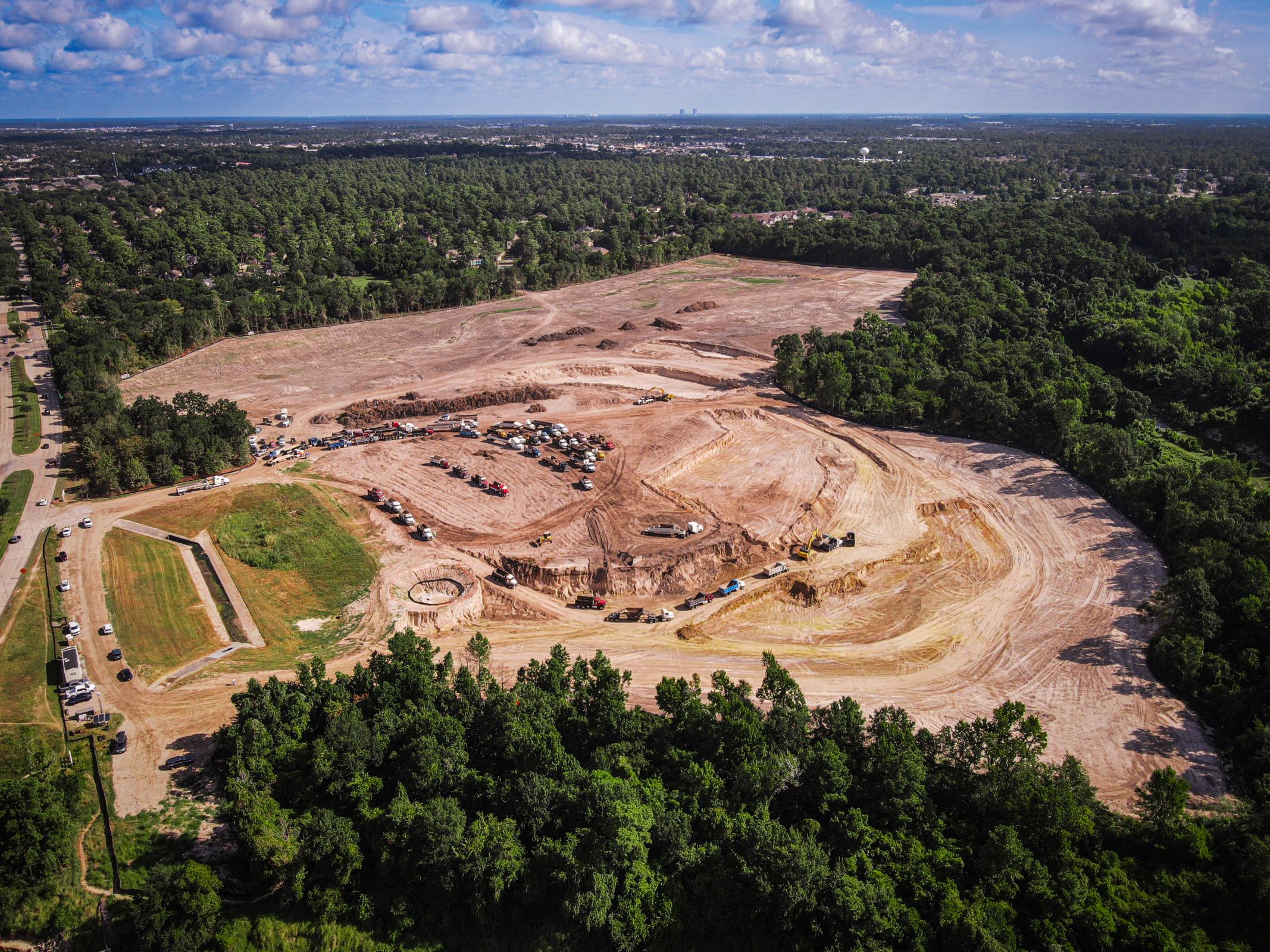
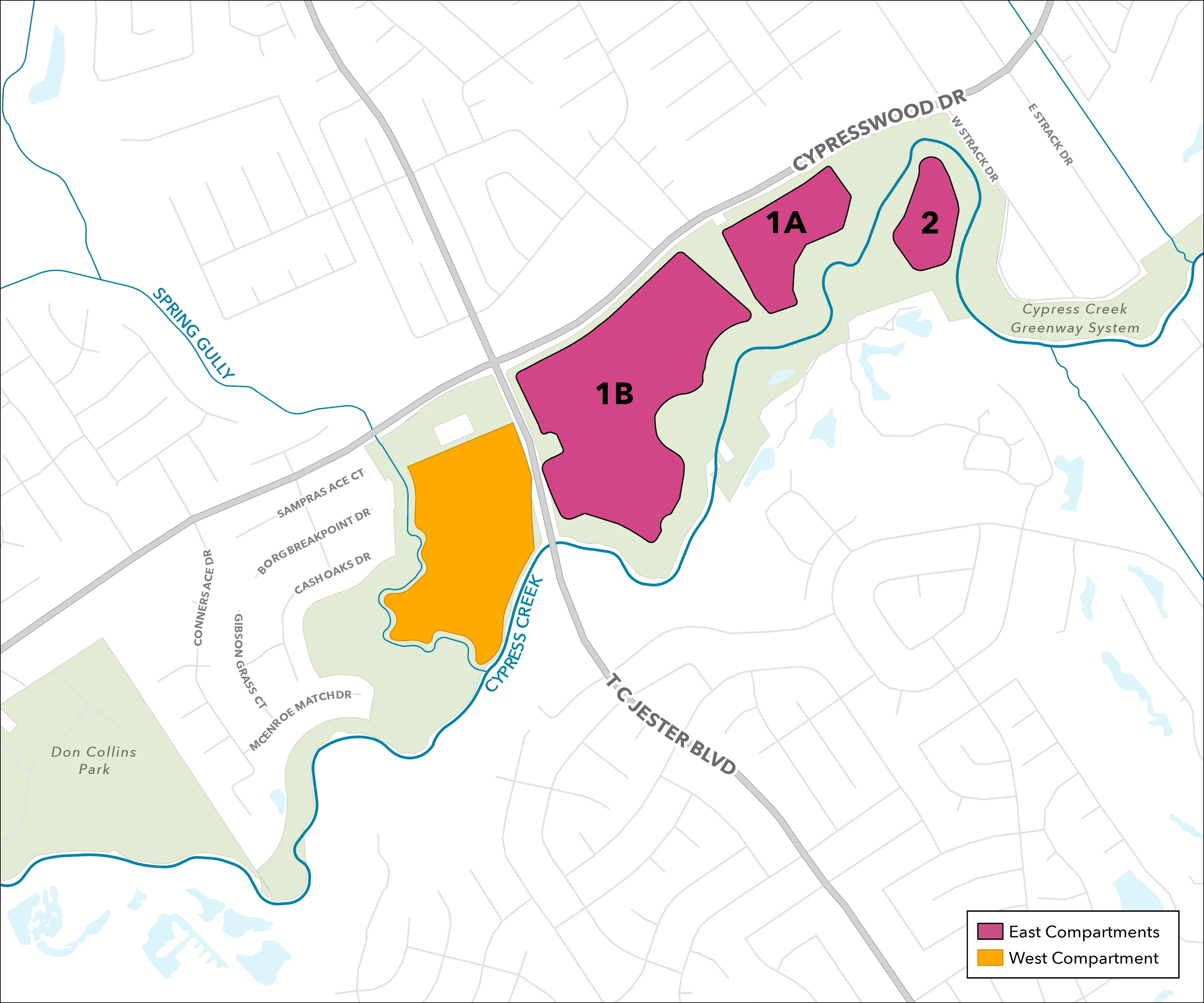
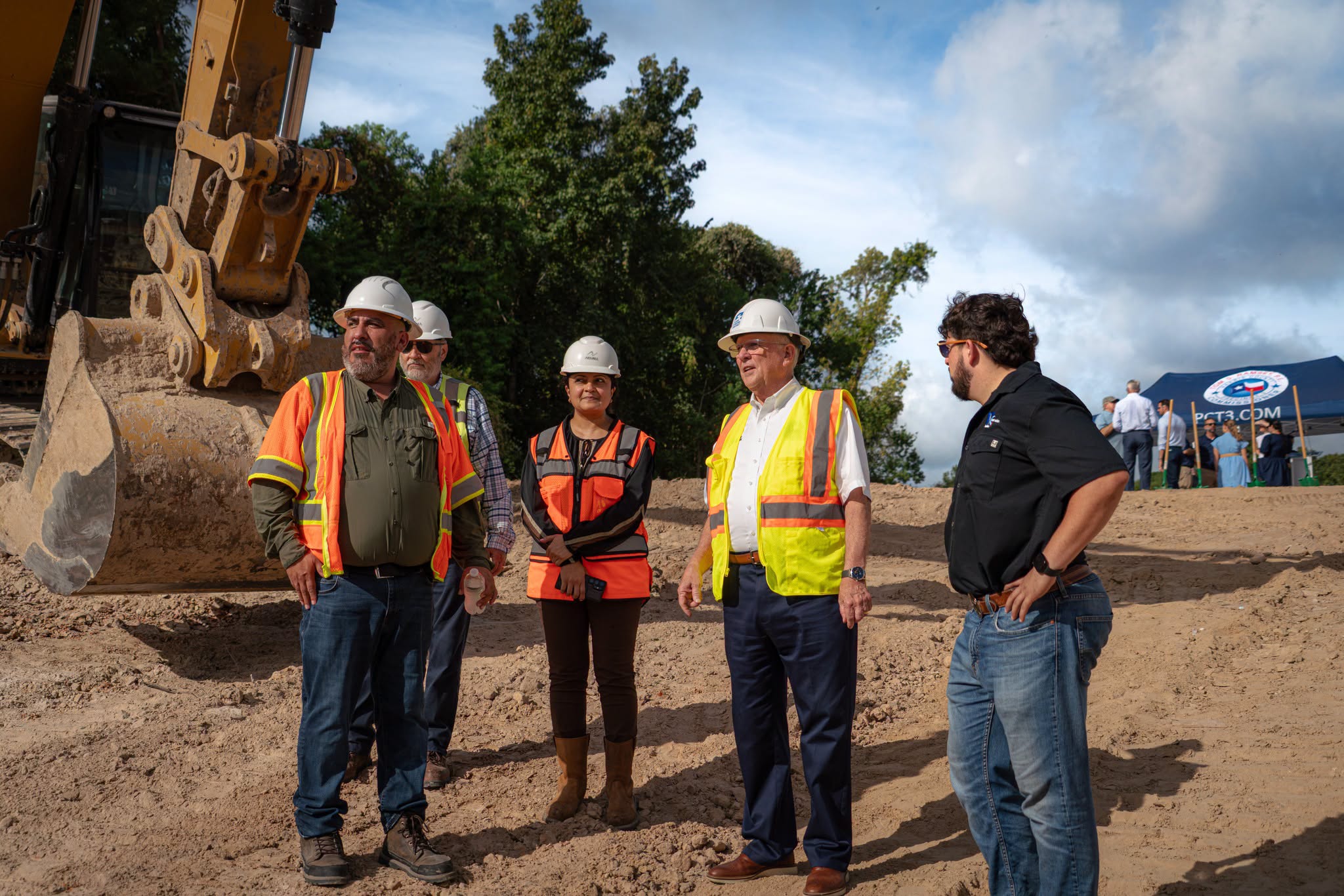
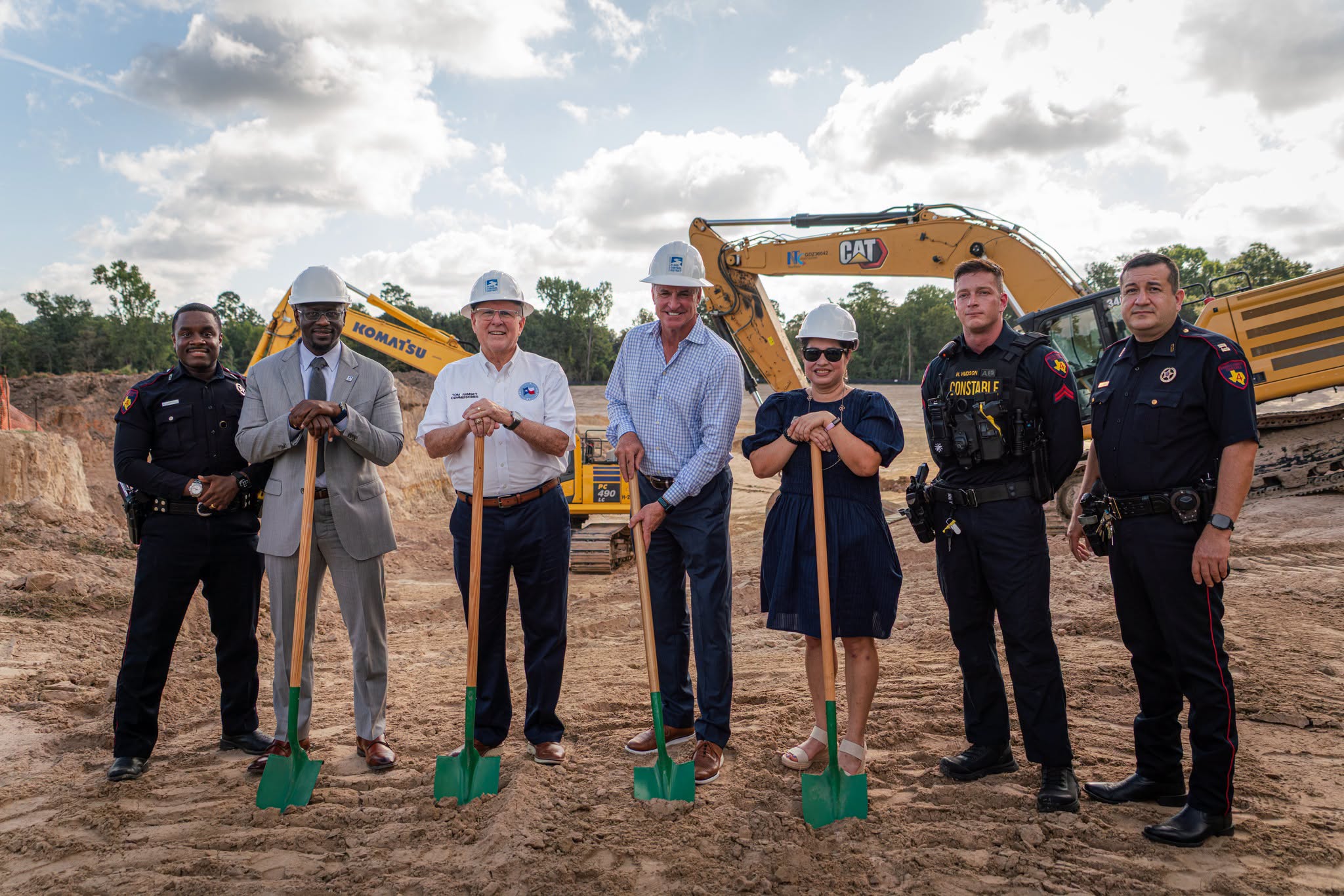
Harris County Precinct 3 and the Harris County Flood Control District marked the project with a ceremonial groundbreaking Wednesday, Aug. 19, for Compartment 1B of the T.C. Jester Stormwater Detention Basin, near the intersection of T.C. Jester Boulevard and Cypresswood Drive.
The project is expected to add 793 acre-feet of stormwater storage capacity on roughly 44 acres along Cypress Creek. The 793 acre-feet planned for Compartment 1B represents a substantial share of the approximately 1,200 acre-feet of storage expected across the completed four-compartment T.C. Jester basin system.
Nearly 400 Million Gallons of Storage Planned Along Cypress Creek
Once all four compartments of the T.C. Jester Stormwater Detention Basin are completed, the system is expected to hold approximately 1,200 acre-feet of stormwater, or nearly 400 million gallons of water.
For a more familiar comparison, that is roughly the volume of 590 Olympic-size swimming pools.
The eastern portion of the project includes Compartments 1A, 1B and 2 on approximately 128 acres between Cypresswood Drive and Cypress Creek. Together, those three areas are expected to provide about 1,000 acre-feet of storage.
A fourth compartment planned west of T.C. Jester Boulevard would occupy approximately 44 acres and provide up to another 200 acre-feet.
That storage matters because detention basins are designed to temporarily hold large amounts of runoff during heavy rain, slowing the amount of water entering nearby waterways at one time.
“This project represents taking another step toward protecting people, homes, businesses, and our communities from flooding,” Precinct 3 Commissioner Tom S. Ramsey, P.E., said. “When heavy rain comes, flooding can change lives in a matter of minutes. Projects like this are about giving families greater peace of mind when the next major storm arrives.”

Why the Cypress Creek Watershed Matters
The scale of the T.C. Jester project makes more sense when viewed in the context of the Cypress Creek watershed, one of the largest watersheds in Harris County.
The watershed covers approximately 267 square miles across northwest Harris County and extends west into Waller County. Within Harris County alone, the Cypress Creek watershed was home to an estimated 453,399 people based on 2020 Census data.
Rainfall across that large area ultimately drains toward the watershed’s primary waterways, Cypress Creek and Little Cypress Creek, along with a network of major tributaries. Altogether, the watershed includes approximately 250 miles of open waterways.
That geography creates a complicated flood-control challenge. Water does not stop at neighborhood, municipal or precinct boundaries, and heavy rainfall miles upstream can eventually affect communities farther downstream.
The Cypress Creek watershed is also historically flood-prone. The eastern, downstream portion of the watershed was developed earlier, before today's understanding of floodplains and before more modern development regulations were in place. As a result, some neighborhoods were built under standards that did not require the same level of stormwater detention now expected in newer developments.
Development in the western, upstream portion of the watershed generally came later and was subject to stronger regulations, including requirements for stormwater detention intended to help reduce downstream impacts.
That difference between older and newer development patterns is one reason regional projects such as the T.C. Jester basin have become such an important part of long-term flood planning. Rather than looking only at individual subdivisions or drainage channels, the goal is to manage stormwater across the larger Cypress Creek system.
Why Cypress Creek Is Getting More Detention Basins
The T.C. Jester project is part of the broader Cypress Creek Implementation Program, a network of flood-mitigation projects intended to address flooding across the watershed.
A regional drainage study found that flooding along tributaries of Cypress Creek is often driven by water in Cypress Creek backing up into those smaller waterways, rather than simply by insufficient capacity within the tributaries themselves.
That finding is important because it helps explain why Harris County is investing heavily in stormwater detention. Instead of focusing only on widening or improving drainage channels, detention basins create places where large volumes of water can be temporarily stored during major storms.
In a watershed covering hundreds of square miles and serving hundreds of thousands of residents, that additional storage can play an important role in reducing peak flows and easing pressure on Cypress Creek and connected tributaries during severe rain events.
The T.C. Jester basin is also one of several detention projects being developed within the Cypress Creek watershed, reflecting a regional approach to flood mitigation rather than relying on any single project to solve flooding across such a large and complex drainage area.
What Is Being Built at T.C. Jester 1B?
The construction contract for Compartment 1B totals approximately $18.6 million.
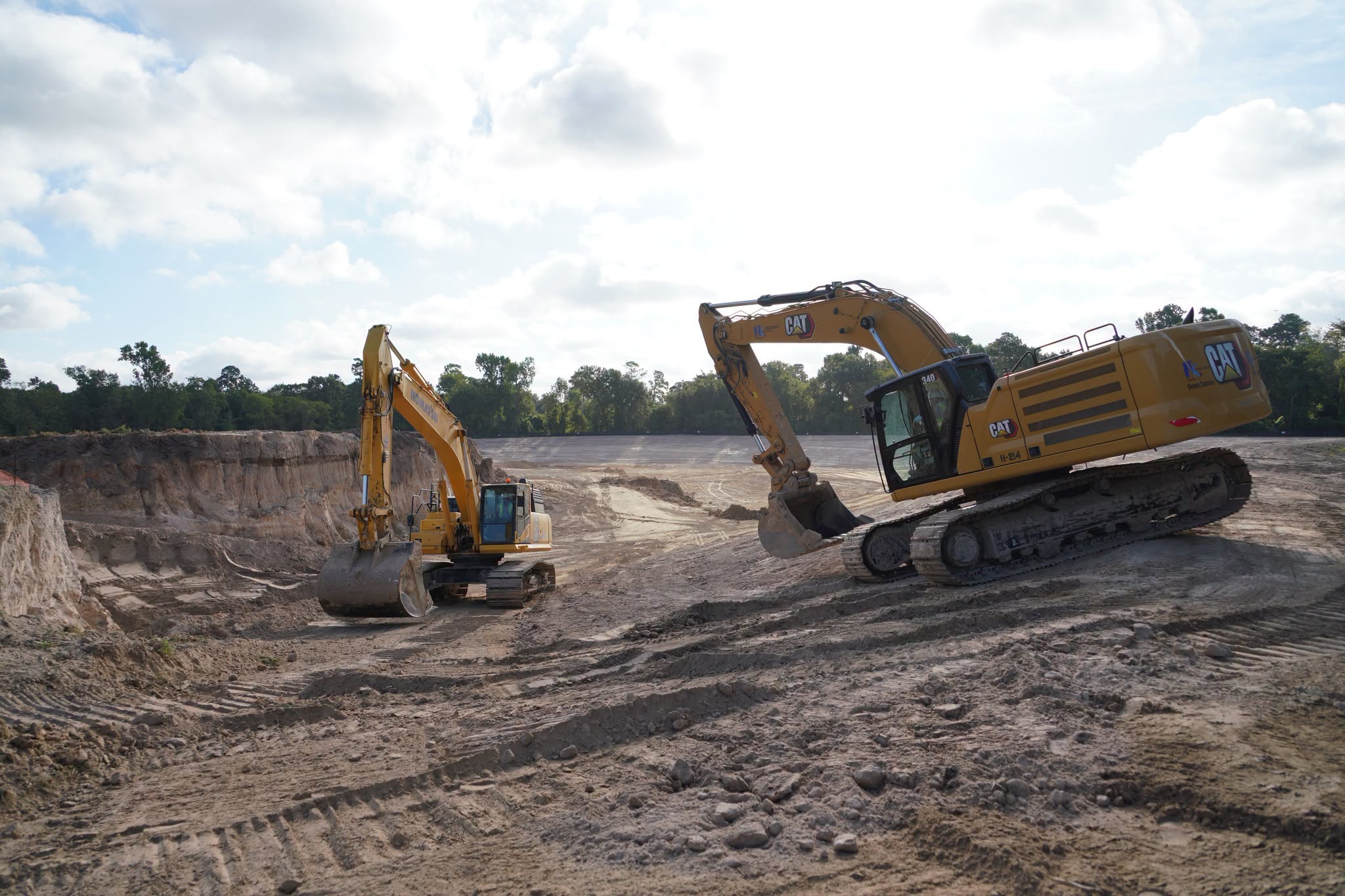
The work is substantial. Plans call for approximately 1.5 million cubic yards of excavation, along with construction of an overflow weir that will allow stormwater from Cypress Creek to enter the detention basin during heavy rainfall.
Northtex Construction is serving as the construction contractor.
The project grew out of years of planning and public engagement, with community meetings helping shape the overall flood-mitigation strategy for the area.
That public involvement can be especially meaningful in flood-control planning, where the location, design and operation of major infrastructure can affect neighborhoods for decades.
State, Federal and Local Funding Help Move the Project Forward
The T.C. Jester project is being supported through a combination of Harris County, state and federal funding.
State Rep. Sam Harless secured $12 million in state community project funding through the Texas Water Development Board.
The project also has access to up to $12.5 million through the Community Development Block Grant-Disaster Recovery program, with federal funding provided through the U.S. Department of Housing and Urban Development and administered by the Texas General Land Office.
The T.C. Jester basin is also connected to the 2018 Harris County Flood Control District Bond Program, the voter-approved initiative that continues to support flood-risk reduction projects across Harris County.
The Harris County Flood Control District oversees one of the nation’s most comprehensive and complex stormwater management systems, including approximately 2,500 miles of channels, nearly 280 detention basins and almost 12,000 acres of land.

What Happens Next for the T.C. Jester Basin
Compartment 1B is currently anticipated to be completed during the second quarter of 2027.
Residents should expect construction activity in the T.C. Jester Boulevard and Cypresswood Drive area as excavation and basin work continue.
The remaining compartments represent the longer-term goal: creating roughly 1,200 acre-feet of total detention capacity along this stretch of Cypress Creek.
No detention basin can eliminate flood risk entirely, especially in a watershed as large and flood-prone as Cypress Creek. But each additional place where millions of gallons of stormwater can be temporarily held can become another layer in Harris County's broader flood-resilience system.
For nearby Cypress Creek communities, that is ultimately what the T.C. Jester project represents — a large, visible investment in preparing for the storms residents hope will stay away, but know will eventually come again.
Stay tuned to My Neighborhood News for updates as construction progresses and additional flood-mitigation projects move forward across northwest Harris County.

 Tiffany Krenek has been on the My Neighborhood News team since August 2021. She is passionate about curating and sharing content that enriches the lives of our readers in a personal, meaningful way. A loving mother and wife, Tiffany and her family live in the West Houston/Cypress region.