







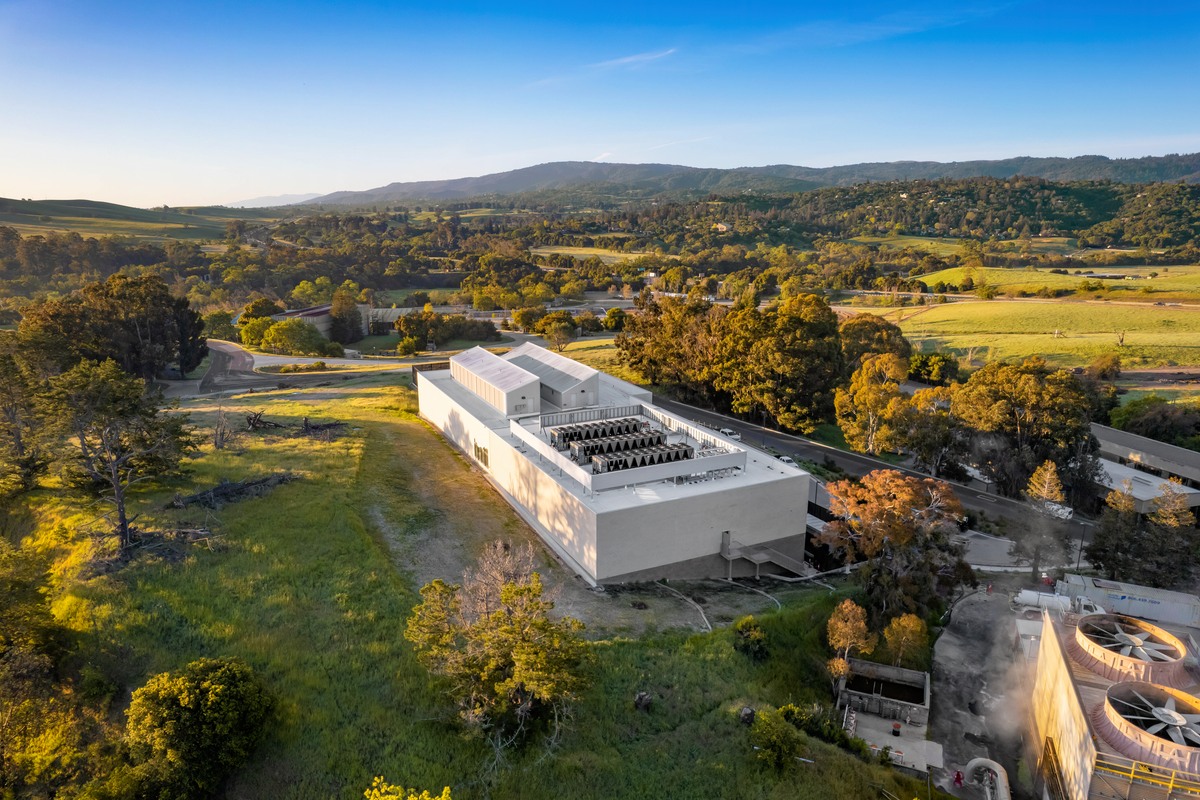
New Braunfels Adopts Data Center Rules With 3,000-Foot Residential Buffer and 100-Acre Minimum
The New Braunfels City Council adopted new data center regulations on November 16, 2026, establishing a 3,000-foot residential setback, a minimum site size of 100 acres and a maximum building height of one story. The zoning standards govern development within city limits, rather than every property with a New Braunfels mailing address.
The rules establish conditions for future development rather than approving a particular data center. They address concerns that can arise when large computing facilities are located near homes, including noise, utility demand, traffic and the eventual closure of a facility.
What Changed in the Final New Braunfels Data Center Ordinance?
During the November 16 City Council meeting, staff outlined revisions to the previously circulated ordinance. The final motion incorporated those revisions and increased the residential setback to 3,000 feet. It passed on second and final reading.
The setback is measured from data center buildings and associated structures to the property line of land zoned or used for residential purposes, rather than simply from the nearest house. The adopted minimum acreage and one-story limit also replace the earlier draft's 50-acre minimum and two-story allowance.
The final motion includes a decommissioning requirement involving a plan and surety bond. These provisions address how a facility would be taken out of service and provide financial assurance for decommissioning obligations.

How Future Data Centers Would Be Reviewed
The published draft ordinance also outlines a Type 2 special use permit process in the M-2 and M-2A industrial zoning districts, requiring public hearings. It calls for utility zero-impact letters, a traffic assessment and protections related to aquifers, floodplains and geological faults.
Noise standards outlined in the draft include a 35-decibel limit at residential or other protected boundaries and a limit of five decibels above baseline levels at other boundaries. These provisions address sound from facilities that may operate around the clock. The earlier draft should be read alongside the final amendments adopted November 16, not treated as the final consolidated ordinance.
What the New Rules Mean for Residents
The special use permit process described in the ordinance materials provides an opportunity for residents to participate in public hearings when a qualifying project is considered. The new standards establish a framework for evaluating such applications, but do not establish that any particular project meets those requirements.
Residents can consult the City Council legislative item and the November 16 meeting recording for the ordinance materials and adopted changes.

 Johnny Krenek has been connected to community news since childhood, growing up alongside the family business his parents founded—Krenek Printing. Today, he serves as Vice President and lead developer for My Neighborhood News, where he drives the digital experience and supports the team across a variety of technical and operational roles. He is passionate about building tools that help connect neighbors and strengthen communities.