








Houston Father Survives Life-Threatening Pulmonary Embolism, Gets Second Chance at Life Thanks to Houston Methodist Willowbrook Team
As families across Houston gather for Thanksgiving, 32-year-old Ryan Frederick has a particularly meaningful reason to be grateful. Nearly one year after a life-threatening pulmonary embolism caused his heart to stop, the young father is back to enjoying everyday moments with his daughter and loved ones, thanks in part to lifesaving care at Houston Methodist Willowbrook Hospital.
What began as an ordinary shower last December turned into a medical emergency that Frederick remembers almost nothing about. His girlfriend, Gabby Casimiro, noticed him collapsing and immediately called 911 when he became unresponsive.
"I looked over and saw him starting to slide down," Casimiro said. "He stopped responding, and suddenly everything changed. It was the scariest moment of my life."
By the time first responders arrived, Frederick had no pulse. Emergency crews began lifesaving measures and rushed him to Houston Methodist Willowbrook Hospital in northwest Houston, where his condition became even more critical.
Houston Methodist Willowbrook Doctors Use Advanced Heart Support to Save Young Father
Frederick had suffered a pulmonary embolism, a dangerous condition that occurs when a blood clot travels to the lungs and blocks blood flow. At the hospital, he experienced multiple cardiac arrests and developed biventricular failure, meaning both sides of his heart were unable to pump blood effectively.
Cardiologist Dr. Sanjay Kunapuli explained that during cardiac arrest, the heart stops pumping blood effectively, depriving vital organs of the oxygen-rich blood they need to survive. With both ventricles failing, Frederick required extraordinary medical intervention.
His care team used two mechanical heart pumps, one supporting the right ventricle and another supporting the left, to keep blood circulating while physicians worked to restore his heart function.
“This is called a biventricular assist device, or a BIVAD, and is reserved for the sickest people,” Kunapuli said. “This technology supported both ventricles while we worked to restore his heart function, helping save his life and allowing him to return to a normal life.”
The specialized treatment helped Frederick survive a medical crisis that could have taken his life, giving him the opportunity to return home to his family.
"The last thing I remember was getting into the shower," Frederick said. "When I woke up, I learned how close I came to not making it. It changes the way you look at everything."

Understanding Pulmonary Embolism Symptoms and Blood Clot Risks After Surgery
Frederick's experience also brings attention to an important health concern, particularly for people recovering from surgery.
A few weeks before his collapse, Frederick had undergone an unrelated medical procedure. Significant pain during his recovery kept him resting in bed for much of the time, resulting in an extended period of limited movement.
According to the Centers for Disease Control and Prevention (CDC), prolonged immobility, including during recovery after surgery, can increase the risk of developing dangerous blood clots. These clots can form in deep veins, often in the legs, and potentially travel to the lungs, causing a pulmonary embolism.
Pulmonary embolism symptoms can include sudden shortness of breath, chest pain that may worsen with deep breathing, rapid heartbeat, coughing up blood, dizziness or fainting. Some people also experience symptoms of deep vein thrombosis, including swelling, warmth, tenderness or pain in one leg.
Because a pulmonary embolism can become life-threatening quickly, recognizing warning signs and seeking emergency medical care is essential. Sudden breathing difficulty, unexplained chest pain or collapse warrants an immediate call to 911.
For Houston-area residents preparing for surgery or recovering at home, Frederick's experience serves as a reminder to discuss individual blood clot risks with their healthcare providers, follow postoperative recovery instructions and ask when it is safe to begin moving again. Patients should not change prescribed activity restrictions or medications without medical guidance.
Additional information about blood clots and prevention is available through the CDC.
A Different Kind of Thanksgiving for a Houston Family
Nearly a year after his medical emergency, Frederick has returned to his normal activities. Yet his perspective on everyday life has changed considerably.
For the father of a young daughter, being able to spend another holiday season with his family carries a meaning that extends well beyond Thanksgiving dinner.
"Getting another chance at life means everything," Frederick said. "I get to watch my daughter grow up. I get to make more memories with my family. The little things don't seem little anymore."
Frederick hopes his experience encourages others to pay attention when something feels wrong, take recovery instructions seriously after surgery and recognize that potentially serious health concerns should never be ignored.
His recovery also offers a look at the role of emergency responders, specialized cardiac technology and hospital care in helping families navigate unexpected medical emergencies.
As Thanksgiving weekend brings Houston families together, Frederick's story is a reminder of how quickly ordinary moments can change and how meaningful those moments can become when someone is given another chance to experience them.
For additional information about Houston Methodist Willowbrook Hospital and its medical services, visit Houston Methodist.
Stay connected with My Neighborhood News for more Houston-area community stories, local healthcare news and information that matters to residents and families.

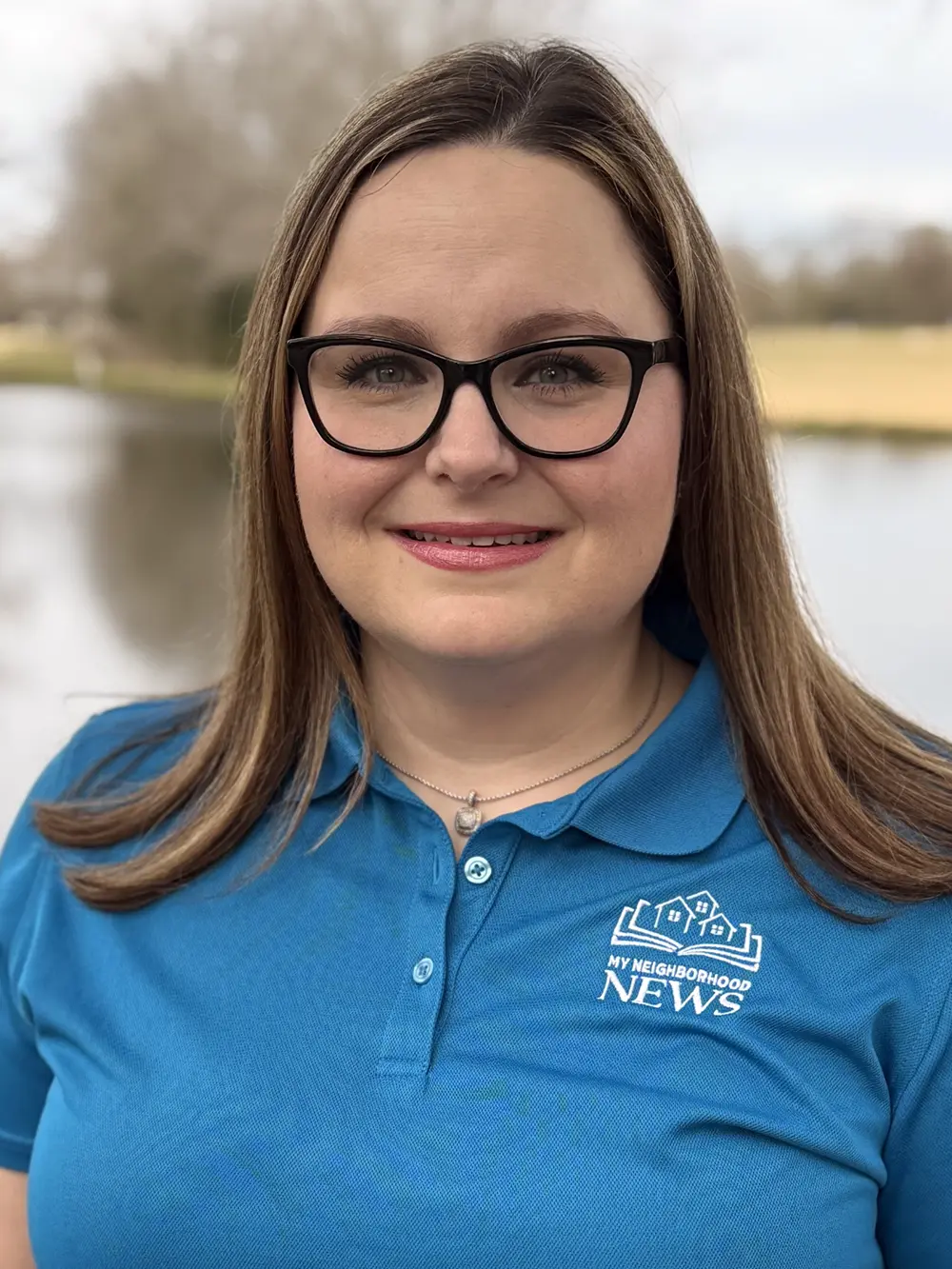 Tiffany Krenek has been on the My Neighborhood News team since August 2021. She is passionate about curating and sharing content that enriches the lives of our readers in a personal, meaningful way. A loving mother and wife, Tiffany and her family live in the West Houston/Cypress region.