







Harris County ESD 11 Responders Join Laredo Flood Recovery as Rio Grande Waters Disrupt Roads and Bridges
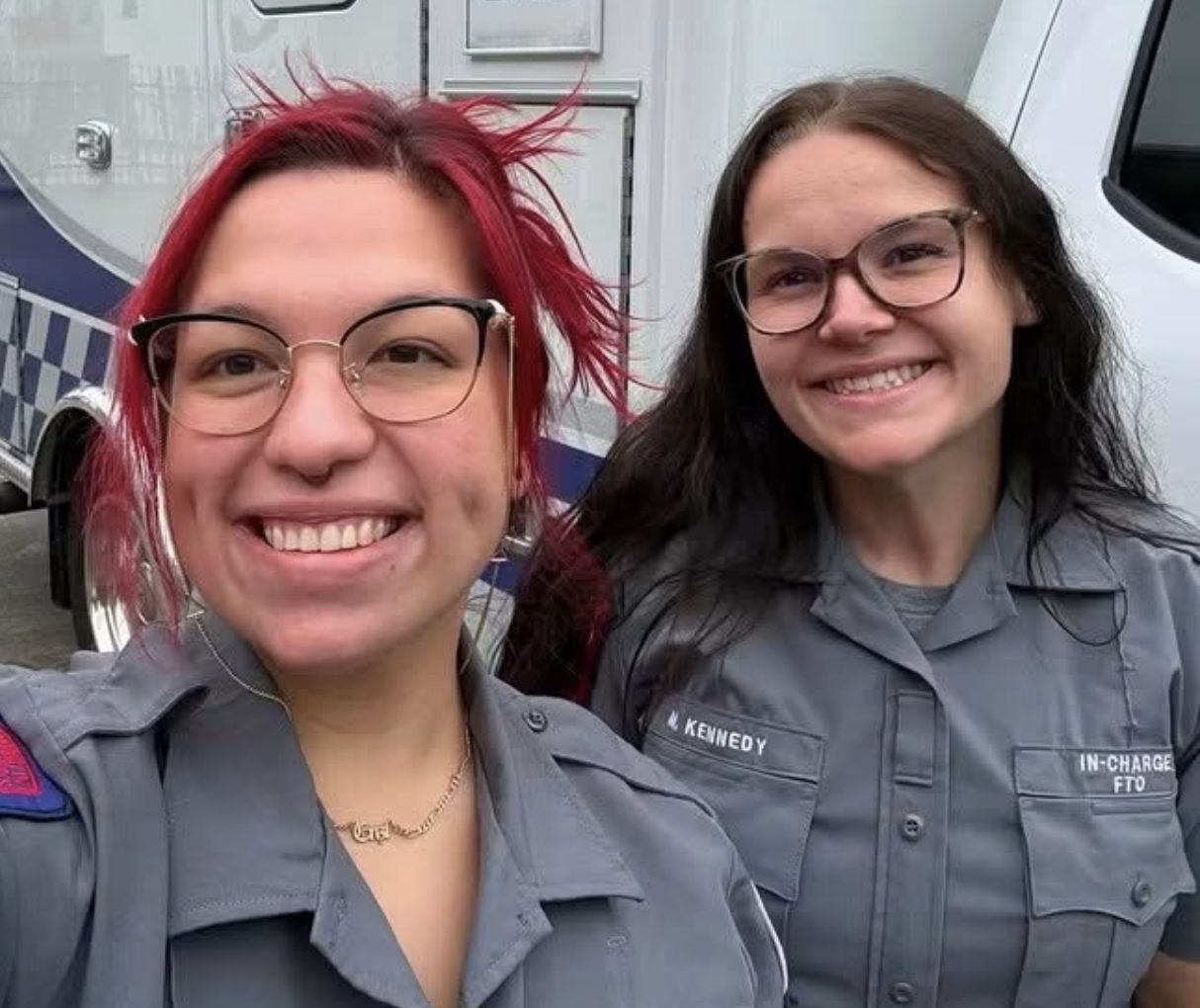
For families separated from help by flooded roads, a routine wellness check can become a journey on foot. That is the reality Harris County ESD 11 Mobile Healthcare responders Maci Kennedy and Milagro Cruz have faced while supporting communities affected by historic flooding across Texas.
Kennedy, an in-charge paramedic, and Cruz, an emergency medical technician, were working in Laredo on Monday, July 20, alongside other public agencies coordinated through the SouthEast Texas Regional Advisory Council, or SETRAC. Their assignment followed a deployment to Kerr and Kendall counties, where they assisted disaster operations with SETRAC and Emergency Medical Task Force 6.
For residents of Eagle Landing, their deployment carries a direct local connection. Harris County ESD 11 Mobile Healthcare serves Eagle Landing as part of its northern Harris County emergency medical service area, meaning the same paramedics, EMTs and dispatch professionals responding to this statewide disaster are also among those residents rely on during medical emergencies close to home.
Their work offers a close look at the human side of the Texas flood response: checking on residents, reaching places cut off by water and helping local emergency agencies maintain medical coverage during a rapidly changing disaster.
Responders Reach Residents Cut Off by Floodwaters
“The majority of our calls have been wellness checks, but because of the flooded-out roads, we have had to conduct them on foot,” Kennedy said. “This deployment has been an incredible eye-opening experience. The flooding in the Texas Hill Country is unlike what we typically encounter in Harris County. The water moves with incredible speed and force, creating a level of destruction that is difficult to comprehend until you witness it firsthand.”
Wellness checks can be especially important after severe flooding. Residents may be isolated without power, transportation, medication or a reliable way to contact relatives. When roads are submerged or damaged, emergency medical teams must adapt, sometimes leaving their ambulances behind to reach people safely.
Kennedy and Cruz brought that experience with them to Laredo as the city responded to a rapid rise along the Rio Grande.
Unlike a typical flash-flood event caused by heavy rainfall directly over a city, much of Laredo’s flooding developed after rain farther upstream sent a large volume of water south through the river. The rising Rio Grande submerged low-lying parks, trails and riverfront recreation areas while prompting road closures, emergency monitoring and temporary disruptions at international bridges.
Rio Grande Flooding Creates an Unusual Laredo Emergency
Laredo Mayor Victor Treviño issued a local emergency declaration on July 17 as officials coordinated with Webb County, the National Weather Service and state and federal agencies. The city activated its Emergency Operations Center at Level I and repeatedly asked residents to avoid the river, closed roads and flooded recreation areas.
One of the flood’s most unusual complications developed when border-barrier buoys and other debris were swept downstream and lodged near the World Trade International Bridge. Commercial traffic was temporarily redirected to the Colombia Solidarity International Bridge while contractors removed the debris and officials assessed the structure. No bridge damage was initially reported.
Emergency crews were also positioned to help nearby Webb County communities, including El Cenizo and Rio Bravo, where officials closely watched neighborhoods near the river and prepared rescue equipment in case conditions worsened.
By Sunday, July 19, water levels had begun receding at some monitoring points, and officials had not reported major structural damage within Laredo itself. Even so, the flooding remained a serious river and infrastructure emergency, particularly along the riverfront and around transportation routes connecting the United States and Mexico.
For deployed medical teams, those transportation disruptions matter. A closed bridge, flooded roadway or isolated neighborhood can delay access to emergency care, making regional coordination and strategically placed ambulance crews essential.

A North Harris County EMS Team Serving Beyond Its District
Kennedy and Cruz normally serve one of the busiest emergency medical service areas in Texas.
Harris County ESD 11 Mobile Healthcare provides emergency medical care across 177 square miles of northern Harris County, including communities in and around Spring. The district serves more than 700,000 residents and responds to more than 65,000 calls annually.
That large call volume gives its paramedics, emergency medical technicians and dispatchers extensive experience handling medical emergencies, coordinating resources and responding under pressure. The district operates ambulances staffed by experienced paramedics and EMTs, while its communications center—known as Control—coordinates emergency responses across the service area.
For families in Eagle Landing, that means the organization’s statewide flood response is not an abstract story about an outside agency. It is a look at the training, adaptability and compassion of the emergency medical teams assigned to serve their own community when someone experiences a heart attack, serious injury, vehicle crash or other urgent medical crisis.
The Harris County Emergency Services District 11 Communication Center is recognized as an Accredited Center of Excellence by the International Academies of Emergency Dispatch. The designation reflects the center’s adherence to established emergency dispatch standards and protocols.
That local emergency response system also supports statewide deployments when Texas communities need additional medical personnel. Through SETRAC and Emergency Medical Task Force 6, responders can be organized into state-deployable teams prepared to assist during floods, hurricanes and other large-scale emergencies. EMTF6 is designed to mobilize professional medical resources rapidly when local emergency systems face extraordinary demand.
Communities Help One Another Through Historic Loss
The assignment has taken Kennedy and Cruz from areas of devastating Hill Country flood damage to the rising waters of the Rio Grande. Along the way, Kennedy said the responders have witnessed both enormous loss and an equally powerful willingness among neighbors to help.
“It has been heartbreaking to see families forced to leave behind everything they own, and in some cases, to watch entire homes be swept away by the river,” Kennedy said. “Yet despite these tremendous losses, the resilience of these communities has been nothing short of inspiring. Many of those affected have immediately turned their focus toward helping others- preparing meals, opening their homes and supporting their neighbors in any way they can.”
That response—residents helping neighbors while emergency teams arrive from other parts of Texas—has become an important part of recovery efforts across the affected region.
SETRAC’s role is to bring together hospitals, emergency medical providers, first responders and other healthcare partners to improve coordination during major incidents. Its regional network helps communities receive personnel, ambulances, equipment and medical support when local resources are stretched.
For residents in northern Harris County, the deployment also shows how the emergency medical professionals who answer calls at home can be called to serve families hundreds of miles away. The same skills used every day across Spring and surrounding communities—patient assessment, emergency coordination and compassionate care—are now helping Texans navigate the difficult days following historic flooding.
What Happens Next
Laredo officials are expected to continue monitoring Rio Grande levels, riverfront areas, road conditions and international bridge operations as the water recedes. Residents are being urged to follow official city updates, obey barricades and avoid entering flooded areas.
Kennedy, Cruz and the agencies working alongside them will continue supporting emergency operations as needs develop. In disaster response, conditions can change quickly, and the work often continues after the most visible floodwaters begin to fall.
For the communities receiving help, each wellness check represents more than a medical task. It is reassurance that someone is still looking for them, even when the road ahead has disappeared beneath the water.
Stay tuned to My Neighborhood News for continuing updates that matter to Eagle Landing residents.

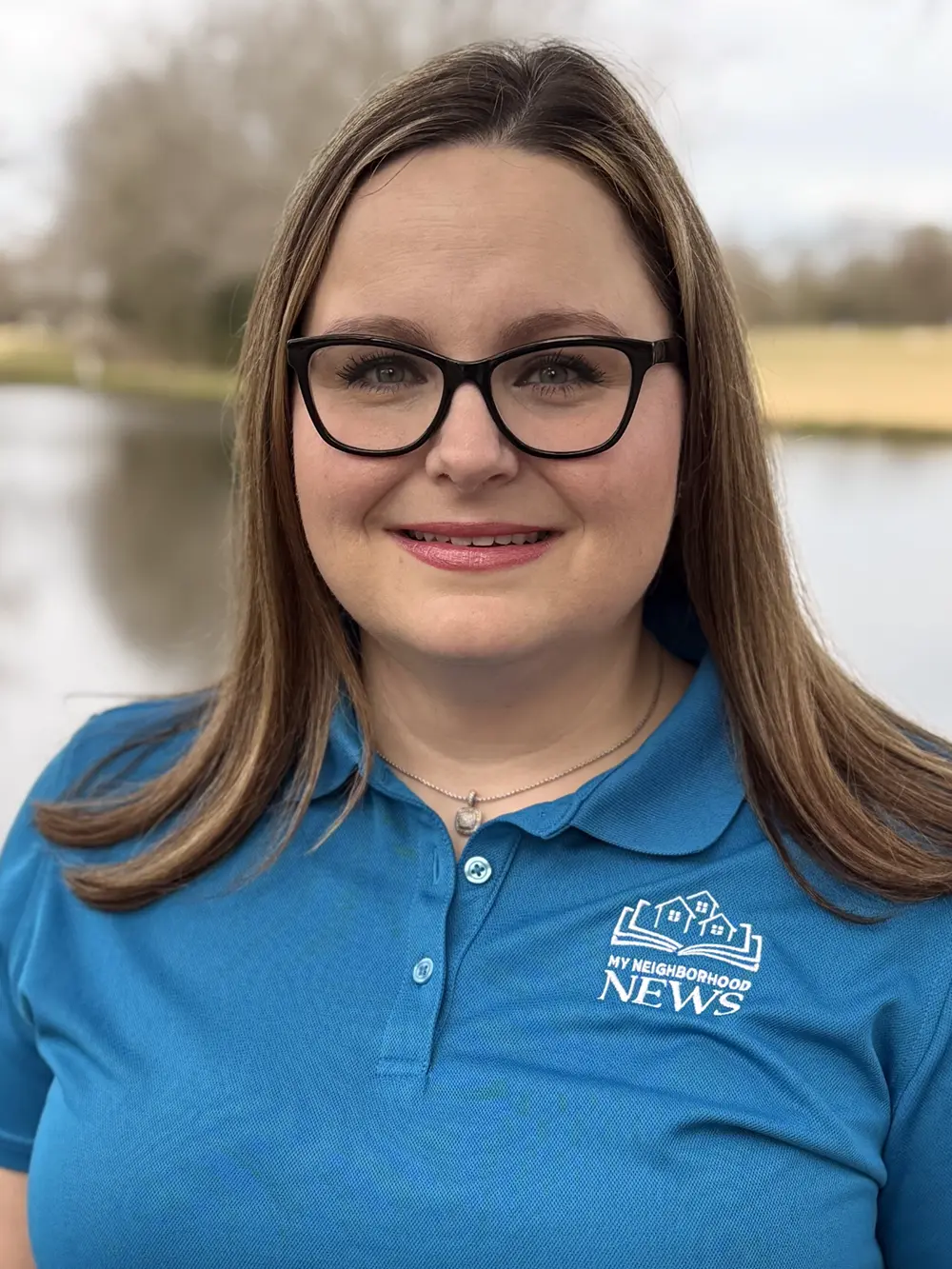 Tiffany Krenek has been on the My Neighborhood News team since August 2021. She is passionate about curating and sharing content that enriches the lives of our readers in a personal, meaningful way. A loving mother and wife, Tiffany and her family live in the West Houston/Cypress region.
Local business spotlight
Grow your business
where trust already lives.
Let’s introduce your business to the neighbors nearby.
Have a local favorite?
Let’s make an introduction.
Leave your email and our team will reach out with ways to promote your business.
Give a local favorite a little love.
Know a business your neighbors should discover? Tell us who they are.
We couldn’t send that just yet. Please try again.