







Falling Leaves, Clogged Gutters and Cooler Weather: How Sydney Harbour Residents Can Protect Their Homes and Put Autumn Leaves to Good Use
For homeowners in Sydney Harbour, the arrival of fall brings cooler mornings, changing leaves and a familiar sight: piles of leaves collecting across lawns, flower beds and rooftops. While falling leaves are a natural part of the season, they can also create maintenance challenges that are easy to overlook until a heavy rain or winter cold snap arrives. Taking a little time now to inspect gutters, clear debris and care for landscaping can help protect a home while making good use of what autumn leaves behind.
Fall home maintenance does not have to mean spending an entire weekend tackling outdoor projects. A few thoughtful steps throughout the season can make a meaningful difference, especially when it comes to keeping rainwater flowing away from the house and preparing plants for colder temperatures.
Why Cleaning Gutters in the Fall Matters for Homeowners
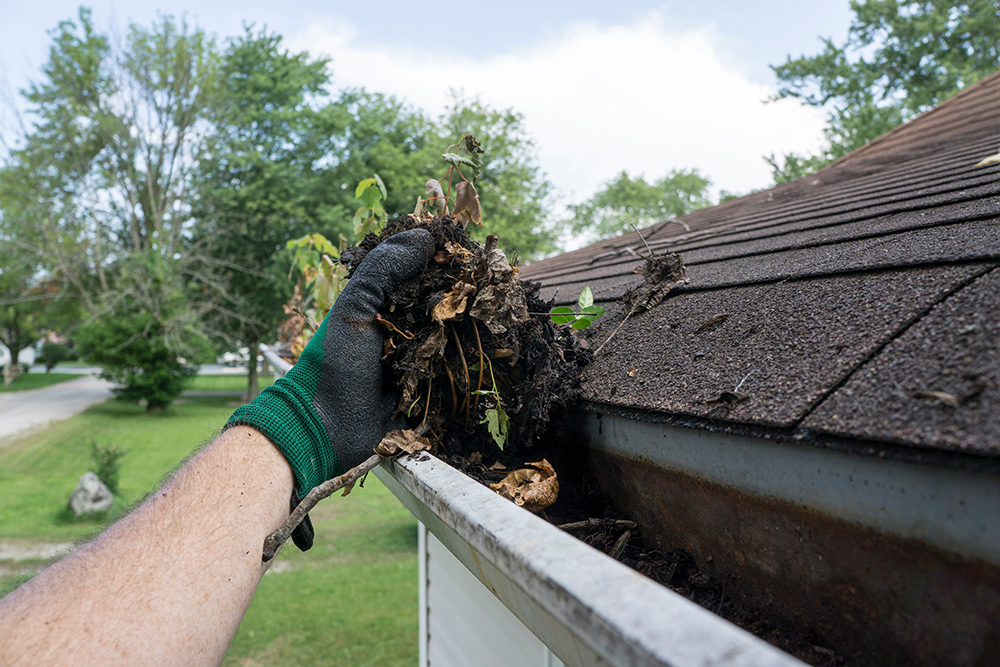
Gutters serve an important purpose: directing rainwater away from a home's roofline, siding and foundation. When leaves, twigs and other debris accumulate inside them, water may overflow rather than travel through the downspouts as intended.
Over time, clogged gutters can contribute to problems such as damaged fascia boards, deteriorating exterior surfaces, soil erosion around the foundation and water collecting near the home. Standing water and damp organic debris can also attract pests.
For residents, checking gutters during the fall is a practical way to identify small issues before they become more expensive repairs.
Homeowners should look for gutters that are sagging, pulling away from the house, leaking at the seams or missing sections. Downspouts should also be checked to ensure they are securely attached, free of obstructions and directing water away from the foundation.
One cleaning may not be enough. Because trees shed leaves at different times, gutters that are cleared early in the season can fill again several weeks later. Homeowners may want to inspect them periodically throughout fall and schedule another cleaning once most of the leaves have dropped.
After a rainfall, observing how water moves through the gutter system from a safe location on the ground can also help reveal overflowing sections or drainage problems that need attention.
Gutter Cleaning Safety: Know When to Call a Professional
Although cleaning gutters may seem like a straightforward household chore, working on a ladder introduces serious fall risks. Homeowners should consider the height of their roofline, the condition of the ground and their comfort with ladder use before attempting the work themselves.
For those who can safely reach their gutters, several precautions can help reduce the risk of injury. Use a sturdy, properly positioned ladder on firm, level ground, and follow the manufacturer's instructions. Avoid placing ladders on wet, uneven or unstable surfaces, and never stand on the top steps or overreach to access a distant section of gutter.
Wearing work gloves can help protect hands from sharp debris, while safety glasses can guard against dirt and particles. Homeowners should also remain well away from overhead electrical lines and avoid working during rain, strong winds or other unsafe weather conditions.
Whenever possible, consider using a ground-based gutter cleaning tool that eliminates the need to climb. Roof access should be left to properly equipped professionals.
There is no reason to risk a serious injury to complete a seasonal chore. Homeowners with two-story homes, steep roofs, difficult-to-reach gutters or physical limitations should consider hiring an insured gutter cleaning professional.
A professional can also help identify damaged or improperly secured gutter sections that may require repairs.

Don't Bag Those Leaves Just Yet: Put Fall Yard Debris to Good Use
Once the gutters are clear, homeowners may find themselves facing another seasonal task: what to do with all those leaves covering the yard.
Rather than treating every fallen leaf as waste, residents can put some of that natural material to work in their landscaping. Leaves contain organic matter that can help improve soil quality as they decompose, making them a useful resource for gardeners and homeowners looking for practical, environmentally conscious yard care options.
Turn Fallen Leaves Into Nutrient-Rich Compost
One of the simplest ways to reuse fallen leaves is by adding them to a backyard compost bin.
Dry leaves are considered a carbon-rich, or "brown," composting material. When combined with nitrogen-rich "green" materials such as grass clippings, vegetable scraps and coffee grounds, they help create the conditions needed for decomposition.
Shredding leaves with a lawn mower before adding them to the compost pile can help them break down more quickly. Keeping the mixture lightly moist and turning it periodically can also support the composting process.
Over time, the materials break down into finished compost, a soil amendment that can improve soil structure, moisture retention and overall garden health.
Homeowners should avoid composting leaves that are heavily contaminated with chemicals or other unwanted materials. Diseased plant debris may also be best kept out of home compost systems that do not reach sufficiently high temperatures.
Use Leaves to Help Protect Flower Beds During Winter
Fallen leaves can also provide a natural insulating layer for garden beds during colder weather.
A loose layer of shredded, dry leaves around established plants can help moderate soil temperature fluctuations, retain moisture and protect shallow roots during winter cold snaps.
For homeowners preparing landscaping for occasional freezing temperatures, this can be a useful addition to seasonal garden maintenance.
Leaves should be distributed in a light, breathable layer rather than piled heavily against plant stems, shrubs or tree trunks. Thick, wet mats of leaves can trap excessive moisture and restrict airflow, potentially creating problems for the plants underneath.
In neighborhoods where landscaping appearance is governed by deed restrictions or architectural guidelines, homeowners should also consider where leaf mulch is placed. Using shredded leaves in flower beds that are not visible from the roadcan be a practical way to reuse organic material while maintaining a tidy streetscape, provided the placement complies with applicable community requirements.
Leaf mulch can help protect soil and roots, but it is not a substitute for covering cold-sensitive plants when freezing weather is expected.
Mulch Leaves Into the Lawn Instead of Raking Every One
Another option is to use a mulching mower to chop a light layer of fallen leaves into small pieces that can settle between blades of grass and gradually decompose.
This approach returns organic material to the soil and may reduce the number of bags of yard waste that need to be collected.
The key is moderation. A thick blanket of whole leaves can block sunlight, trap moisture and smother turfgrass. If the lawn is heavily covered, homeowners should remove or redistribute the excess rather than trying to mulch everything in place.
Leaves can also be collected for use in garden beds or compost bins, giving homeowners several options for managing the same seasonal debris.
A Little Fall Maintenance Can Help Protect the Neighborhood
Keeping leaves out of gutters and drainage pathways benefits more than an individual property. When leaves accumulate along curbs, over storm drains or in neighborhood drainage areas, they can restrict the movement of rainwater during storms.
Residents can help by keeping their own yard debris from entering streets and storm drains, following local yard waste collection requirements and avoiding the practice of blowing leaves into roadways or drainage inlets.
These small efforts contribute to the appearance and upkeep of while helping protect the infrastructure that residents rely on throughout the year.
Fall is also a convenient time to walk around the exterior of the home and look for other maintenance needs, including loose downspouts, damaged weatherstripping, exposed outdoor pipes and irrigation components that may need attention before freezing temperatures arrive.
For many Sydney Harbour homeowners, the best approach is simply to tackle a few manageable projects at a time. Clearing gutters, collecting leaves for compost and preparing flower beds now can make the transition into winter a little easier.
As the season changes, these everyday efforts are part of what keeps a neighborhood looking cared for and helps protect the investment residents have made in their homes.
Stay connected with My Neighborhood News for more seasonal home maintenance tips, neighborhood reminders and helpful updates for residents.

 Tiffany Krenek has been on the My Neighborhood News team since August 2021. She is passionate about curating and sharing content that enriches the lives of our readers in a personal, meaningful way. A loving mother and wife, Tiffany and her family live in the West Houston/Cypress region.

Local business spotlight
Grow your business
where trust already lives.
Let’s introduce your business to the neighbors nearby.
Have a local favorite?
Let’s make an introduction.
Leave your email and our team will reach out with ways to promote your business.
Give a local favorite a little love.
Know a business your neighbors should discover? Tell us who they are.
We couldn’t send that just yet. Please try again.