







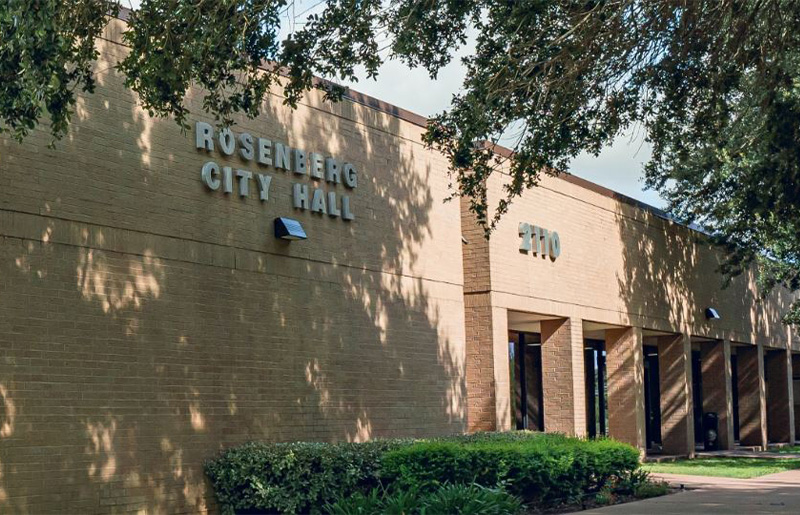
Early Voting Now Underway for Rosenberg Elections: What It Means for Local Residents Before May 2
For residents in Rosenberg, the decisions made in this year’s City of Rosenberg General Election and Special Elections are more than routine civic duties—they directly impact how the city grows, governs, and protects its community in the years ahead.
Early voting is now underway and continues through Tuesday, April 28, 2026, offering voters a flexible way to participate ahead of Election Day on May 2. From leadership roles like mayor and city council to ballot measures involving public safety funding and city governance, this election touches multiple aspects of daily life for families, homeowners, and local businesses across Rosenberg and greater Fort Bend County.
Why This Election Matters for Rosenberg Residents
Local elections often carry some of the most immediate and visible impacts. Decisions made at the city level influence everything from neighborhood safety and infrastructure planning to how taxpayer dollars are allocated.
This year’s ballot includes not only contested races for Mayor and City Council Members, but also two significant special elections: one focused on the potential creation of a Crime Control and Prevention District (CCPD), and another proposing updates to the City of Rosenberg Home Rule Charter.
Together, these items shape how Rosenberg operates today—and how it prepares for future growth.
Early Voting Details and How to Cast a Ballot
Residents can take advantage of early voting at any designated early voting location within Fort Bend County, providing flexibility for those balancing work, school, and family commitments.
Early voting runs through April 28, with Election Day scheduled for May 2, 2026. Voters can find polling locations, hours, and sample ballots by visiting the City of Rosenberg’s official election page at RosenbergTX.gov/Elections or by contacting the City Secretary’s Office.
Who’s on the Rosenberg Ballot: Mayor and City Council Races
The 2026 Rosenberg General Election features several contested races across the city:
Mayor
- Susan Kroll Euton
- William Benton
Councilor At-Large, Position 1
- LaToya “Hunny” Phillips
- Alice Jozwiak
- Richard Olson
Councilor At-Large, Position 2
- Brandon West
- Amanda J. Barta
Councilor, District 1
- Felix Vargas, Jr.
Councilor, District 2
- Steve DeGregorio
- John Burlingame
Councilor, District 3
- Alicia Casias
- Anthony Campos
- Elizabeth Scott
- Scott Robert Peterson
Councilor, District 4
- George A. Zepeda
These positions play a key role in shaping policies, approving budgets, and guiding development decisions across Rosenberg neighborhoods.
Crime Control and Prevention District (CCPD): What Voters Should Know
One of the most closely watched items on the ballot is the proposed creation of the Rosenberg Crime Control and Prevention District.
If approved, the measure would:
- Establish a CCPD dedicated to funding crime prevention initiatives
- Implement a 0.25% local sales and use tax for public safety programs
- Reduce the Rosenberg Development Corporation sales tax from 0.50% to 0.25%, keeping the overall tax rate unchanged
This proposal reflects ongoing conversations around public safety, response times, and proactive crime prevention as Rosenberg continues to grow.
Proposed Charter Amendments: Changes to City Governance
Voters will also consider five proposed amendments to the City of Rosenberg Home Rule Charter, each addressing different aspects of city governance:
- Compensation: Increase monthly pay for City Council members and the Mayor
- Comprehensive Plan: Remove the requirement for maintaining a formal citywide plan
- Benefits: Allow council members to participate in the city’s employee health insurance plan
- Petition Process: Simplify procedures for recall, initiative, and referendum petitions
- Certificates of Obligation: Require unanimous City Council approval for certain debt issuances
While some changes are administrative, others could influence transparency, accountability, and long-term planning decisions within the city.
What Happens Next
Once early voting concludes on April 28, all attention shifts to Election Day on May 2. Final results will determine not only who represents Rosenberg residents, but also how the city approaches public safety funding and internal governance moving forward.
For many in the community, this is a moment to stay informed, ask questions, and participate in shaping Rosenberg’s direction.
Residents looking for additional details—including polling locations, voting hours, and sample ballots—can visit RosenbergTX.gov/Elections or contact the City Secretary’s Office at 832-595-3340.
As Rosenberg continues to evolve, local elections like this serve as a reminder that community voices play a central role in guiding that growth.
Stay connected with My Neighborhood News for ongoing updates and local election coverage that matters to Rosenberg residents.

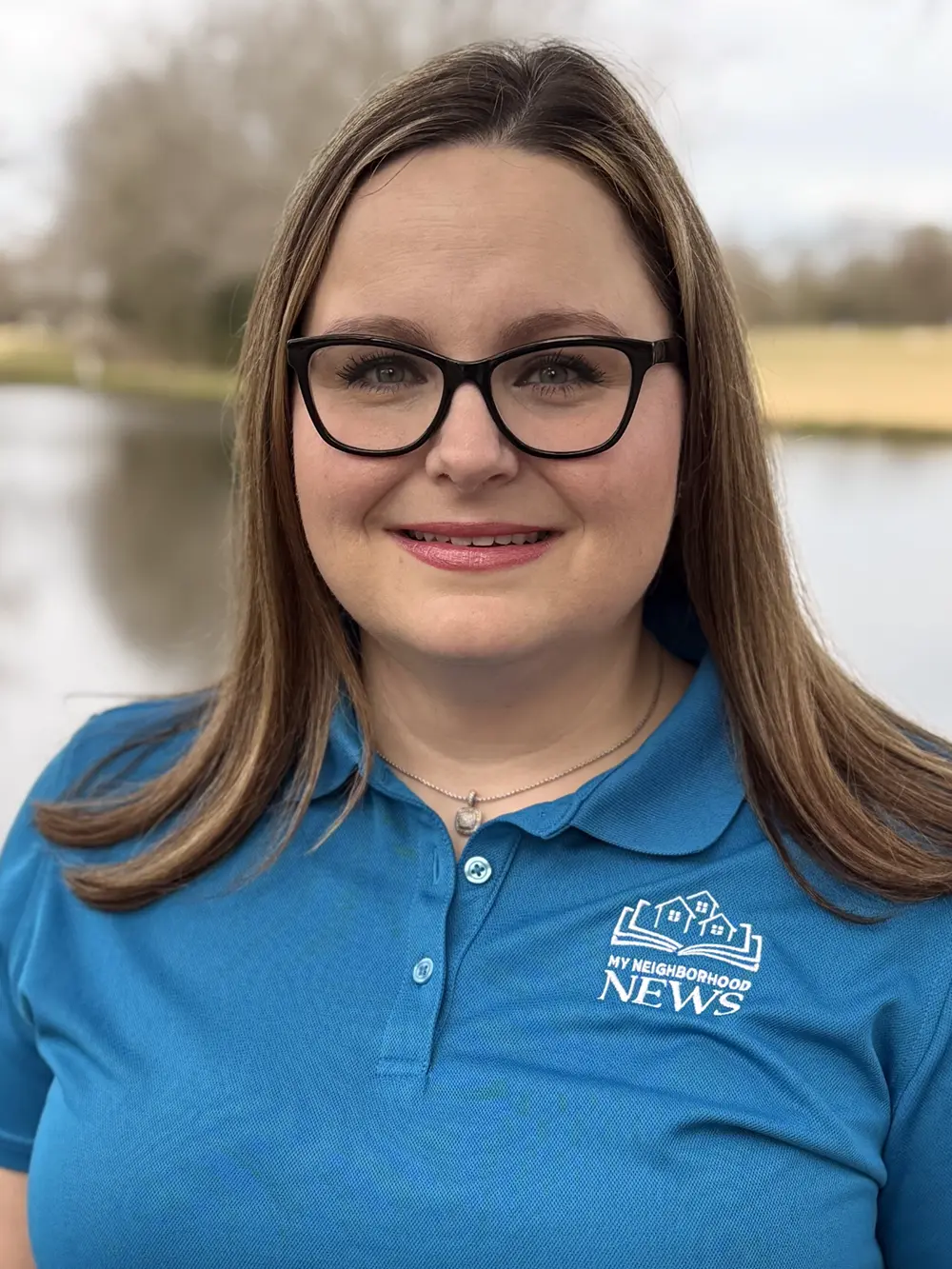 Tiffany Krenek has been on the My Neighborhood News team since August 2021. She is passionate about curating and sharing content that enriches the lives of our readers in a personal, meaningful way. A loving mother and wife, Tiffany and her family live in the West Houston/Cypress region.