







$10 Million Gift to UT Dell Medicine Supports Future of Healthcare in Austin as New Medical Center Takes Shape for 2030
Access to advanced medical care is an increasingly important consideration for families across Austin and Central Texas, where continued population growth has created new demands on hospitals, physicians and healthcare services.
A newly announced $10 million gift to UT Dell Medicine is helping support the region's long-term healthcare development, including efforts to bring medical research, specialized treatment and patient-centered care together through The University of Texas at Austin.
The contribution, announced November 12, 2026, comes from longtime university supporters Phil and Mary Beth Canfield, whose investment will provide flexible funding as UT develops its academic health system.
The announcement arrives as the university continues planning for UT Dell Medical Center, a major new medical facility expected to open in North Austin in 2030.
For Central Texas residents, the development is about more than the construction of another hospital. It represents a longer-term effort to expand access to advanced medical services, develop new treatment approaches and reduce the need for some patients to travel outside the region for specialized care.
What Is UT Dell Medicine, and How Will It Serve Austin?
UT Dell Medicine is The University of Texas at Austin's developing academic health system, bringing together medical care, research and education.
The health system builds on the work of Dell Medical School, which welcomed its first class of students in 2016 and has since expanded its role in medical education, clinical care and healthcare research.
The university's broader goal is to connect physicians, researchers and medical students within a system designed around patients and their healthcare needs.
Academic health systems bring together clinical treatment and university research, creating opportunities for medical discoveries to inform patient care while educating future healthcare professionals.
In Austin, UT is working to establish that model on a larger scale.
The university is developing its new medical center in collaboration with the University of Texas MD Anderson Cancer Center and other academic and clinical partners.
Among its priorities are advanced cancer treatment, cardiovascular medicine, neurological care, transplant services and research that could lead to new approaches to preventing and treating disease.
These are areas where access to specialized medical expertise can be especially important for patients managing serious or complex conditions.

New UT Dell Medical Center Planned for North Austin in 2030
A central component of UT Dell Medicine's plans is the UT Dell Medical Center, which is expected to open in 2030 on the university's planned Dell Campus for Advanced Research in North Austin.
According to the university's published plans, the medical center will include a 406-bed hospital within an approximately 2.55-million-square-foot facility.
The project is being designed to combine specialized treatment, medical research and education, with infrastructure intended to accommodate future advances in healthcare technology. Services are expected to include cardiovascular, cancer, neurological and transplant care, along with advanced intensive care.
University officials have also identified technology, data integration and artificial intelligence as important elements of the developing health system.
The goal is to make medical information and specialized expertise more accessible across different parts of a patient's care. The facility remains in development, and specific clinical services, opening schedules and operational details may evolve before 2030.
For Austin-area families, the long-term significance lies in the prospect of additional treatment options within Central Texas, particularly for people who currently need to travel elsewhere for certain types of specialized medical care.
Phil and Mary Beth Canfield Make $10 Million Investment in Future Healthcare
The Canfields have longstanding connections to The University of Texas at Austin and have previously supported the university through philanthropy, including the Canfield Business Honors Program.
Phil Canfield, a UT alumnus who earned his business degree in 1989, built a career in corporate finance and private investing.
The couple spent several decades living in Chicago before returning to Austin.
During their time away, they observed how academic medical centers, research universities and specialized physicians can work together to expand access to healthcare and clinical research.
Their experience helped shape their interest in UT's plans for a new academic health system.
According to the university's November 12 announcement, the Canfields were particularly influenced by the vision of Dr. Claudia Lucchinetti, who serves as executive vice president for medical affairs at UT Austin, dean of Dell Medical School and executive leader of UT Dell Medicine.
The couple's $10 million contribution is unrestricted, meaning university health system leaders will have flexibility in determining how to use the funds.
That is an important distinction. The gift is intended to support the broader development of UT Dell Medicine and is not designated exclusively for hospital construction or a single clinical program.
The flexible funding may help the organization respond to emerging research opportunities, recruitment priorities and other needs as the health system develops.
"Given everything that's changing within healthcare and technology, I can't think of a better time to do this," Phil Canfield said in the university's announcement.
What the Investment Could Mean for Central Texas Patients
The investment comes as Austin continues to grow and the demand for healthcare services changes alongside the region's population.
For families, access to specialized treatment can affect far more than medical appointments. Traveling to another city for treatment may mean additional transportation expenses, time away from work and the challenge of being separated from familiar support networks.
UT Dell Medicine's plans are intended to expand advanced care options closer to home, although the precise impact will depend on the services ultimately developed and when they become available.
The university is also focused on recruiting physicians and researchers whose work could strengthen specialized care and medical education in Central Texas.
The Canfields' contribution adds philanthropic support to those efforts at a time when the university is making substantial long-term investments in its healthcare infrastructure.
Residents can follow the broader project through the official UT Dell Medical Center information page.
As the medical center's anticipated 2030 opening approaches, details about clinical specialties, patient access and the facility's role in Central Texas healthcare will become increasingly relevant.
For now, the $10 million gift represents another investment in a healthcare system being developed with the region's future needs in mind.
Stay tuned to My Neighborhood News for updates on UT Dell Medicine, the new North Austin medical center and healthcare developments affecting families throughout Central Texas.

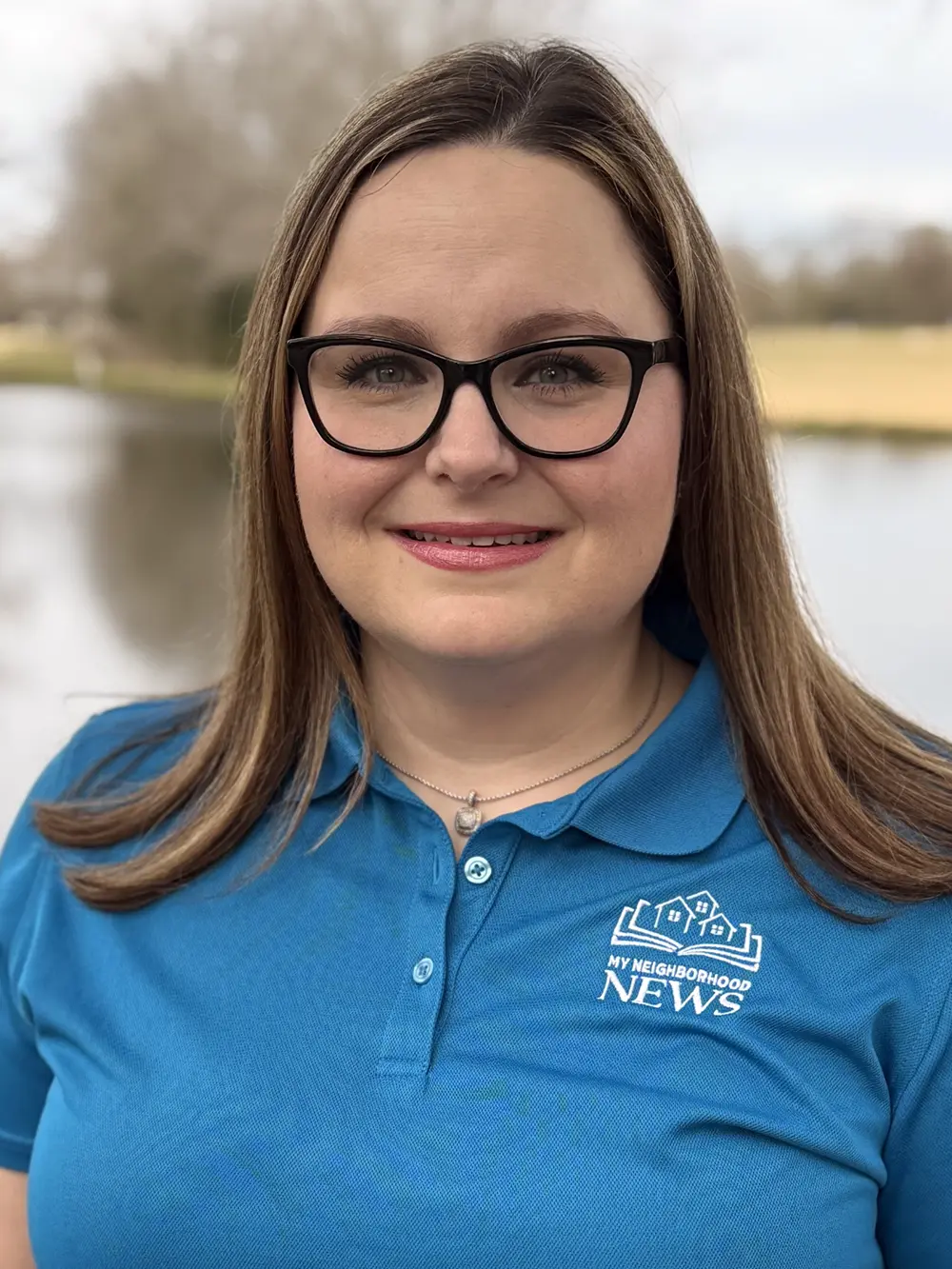 Tiffany Krenek has been on the My Neighborhood News team since August 2021. She is passionate about curating and sharing content that enriches the lives of our readers in a personal, meaningful way. A loving mother and wife, Tiffany and her family live in the West Houston/Cypress region.